Local Foods That Make Enugu Unique: A Complete Guide to the Coal City’s Traditional Cuisine
Traveling to a new destination is about much more than sightseeing. The food people eat, the ingredients they use, and the stories behind their traditional dishes often reveal just as much about a place as its landmarks and history. In Enugu State, food is deeply woven into everyday life, celebrations and cultural identity.
Popularly Known as the Coal City State 042, Enugu is celebrated for its scenic landscapes, warm hospitality and rich Igbo heritage. While many visitors come to explore attractions such as Ngwo Pine Forest, Awhum Waterfall and Milken Hills, they soon discover that one of the state’s greatest attractions is its local cuisine
Enugu’s traditional foods are prepared using locally grown ingredients, passed down family recipes and cooking techniques that have remained part of Igbo culture for generations. Some dishes are enjoyed daily in homes, while others are reserved for festivals, weddings and important family gatherings. Together, they offer visitors an authentic taste of southeastern Nigeria.
If you’re planning a trip to Enugu, these are the local foods that deserve a place on your culinary itinerary.
1. Okpa (Enugu’s Most Famous Local Delicacy)
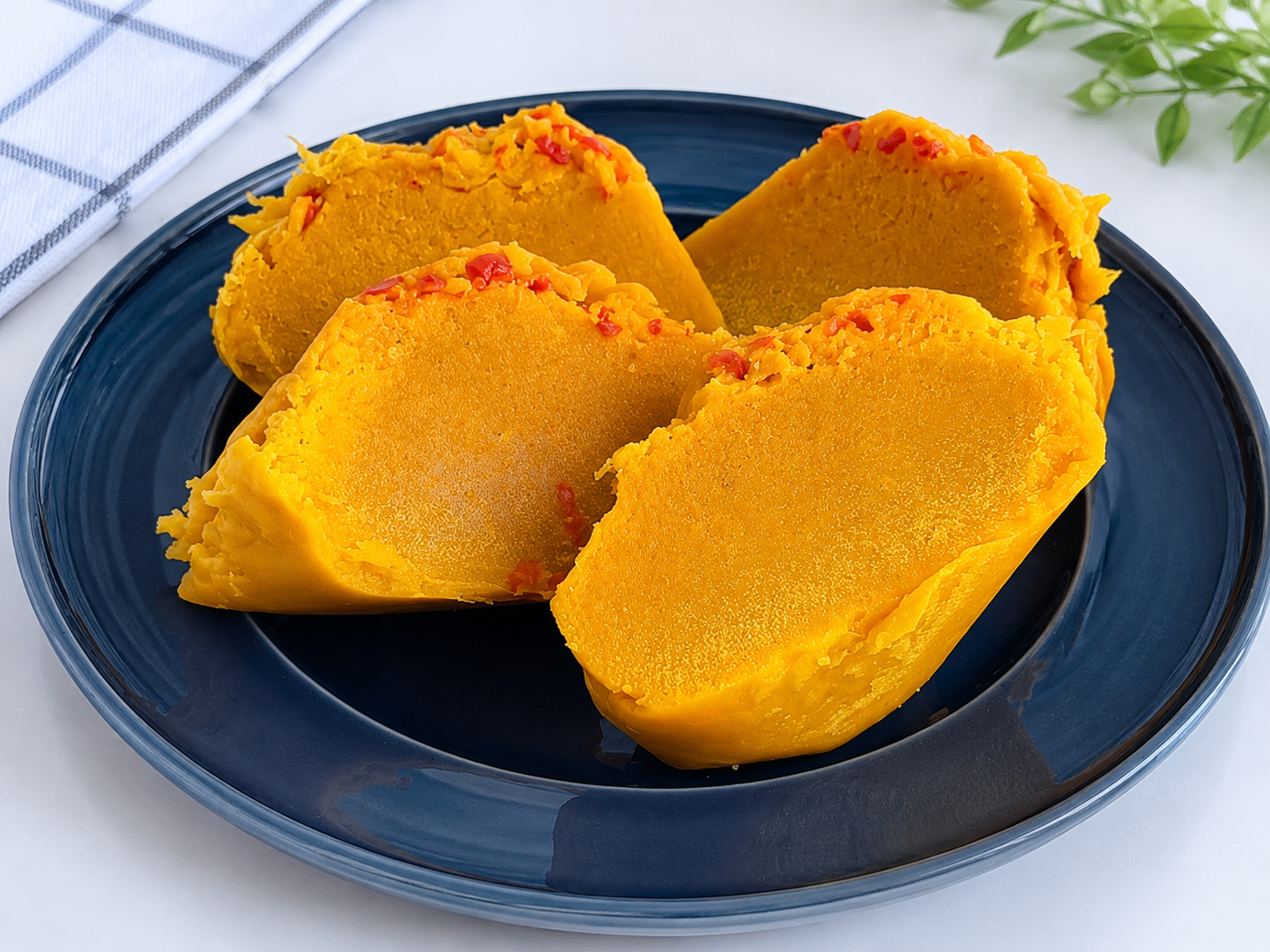
No discussion about Enugu food is complete without mentioning Okpa. Often referred to as the pride of Enugu, Okpa is a steamed pudding made from Bambara groundnut flour, palm oil, pepper, salt and carefully blended local spices. The mixture is traditionally wrapped in banana or uma leaves before steaming, although modern vendors may use foil or heat resistant containers.
Its soft texture and rich, nutty flavor have made it one of the state’s most recognizable foods. Today, Okpa is sold throughout Enugu by roadside vendors, local markets, bus parks, restaurants and food stalls.
Various residents enjoy it for breakfast because it is filling, affordable and easy to carry during busy mornings.
Why visitors should try Okpa
- One of Enugu’s signature foods
- Rich in plant-based protein
- Affordable and widely available
- Perfect as breakfast or a light meal
- Represents authentic Igbo street food culture
One important thing they will might not tell you about Okpa is that it’s more enjoyable if you eat it together with a chilled bottle of Coke or Pepsi.
2. Ofe Nsala (White Soup)
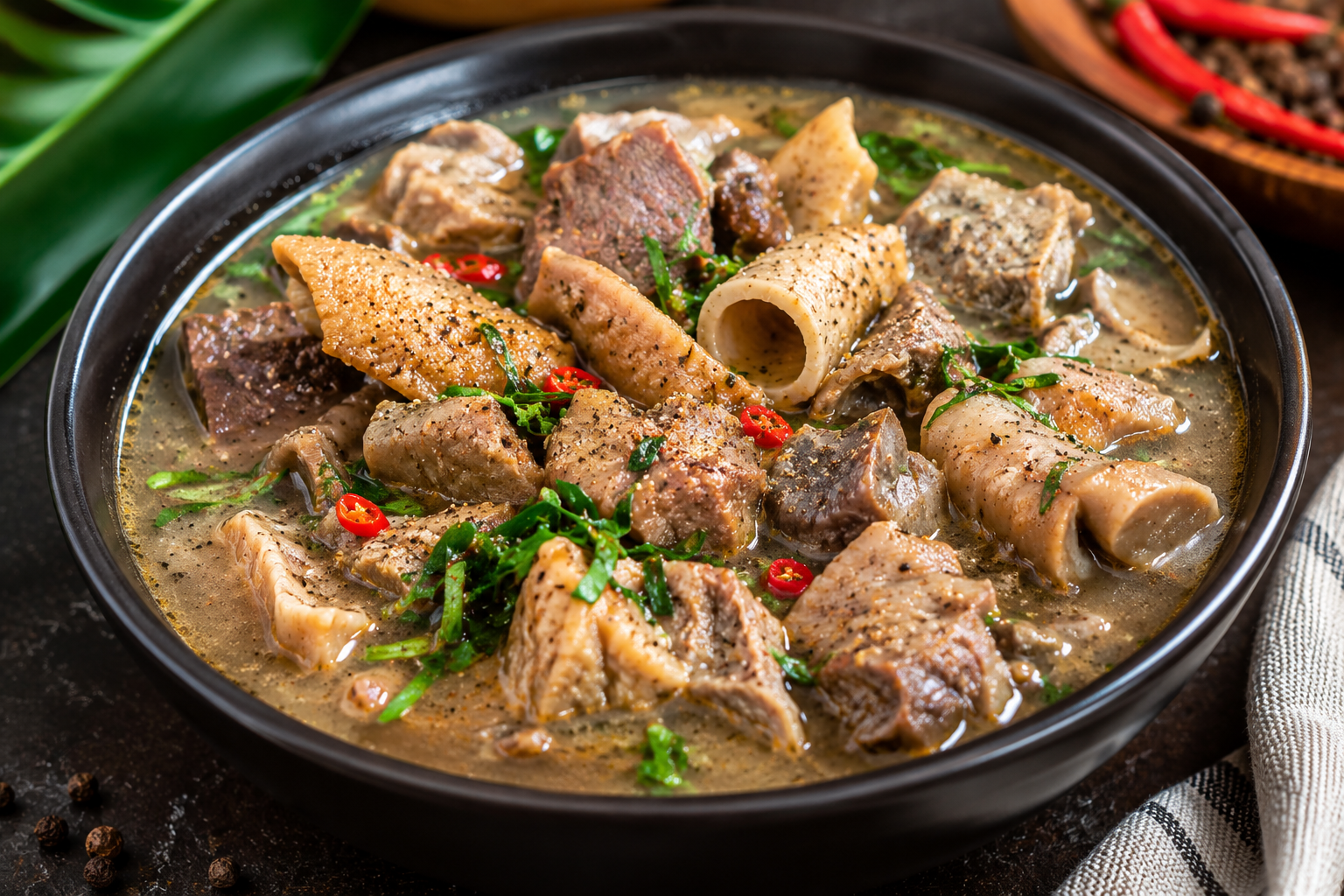
Ofe Nsala, commonly known as White Soup, is one of the finest traditional soups in Igbo cuisine. Unlike a lot of Nigerian soups that rely on palm oil, Ofe Nsala is prepared without it. Instead, the soup gets its creamy appearance from pounded yam or other natural thickeners.
Fresh catfish is the traditional choice, although chicken or assorted meats are also commonly used. The soup is flavored with local spices that create a rich aroma without overpowering the natural taste of the ingredients.
It is usually served with:
- Pounded yam
- Fufu
- Semolina
- Wheat swallow
Because of its delicate balance of flavor, Ofe Nsala is often prepared during weddings, family celebrations and festive occasions. If you like tasting new foods, I recommend tasting Ofe Nsala.
3. Abacha (African Salad)
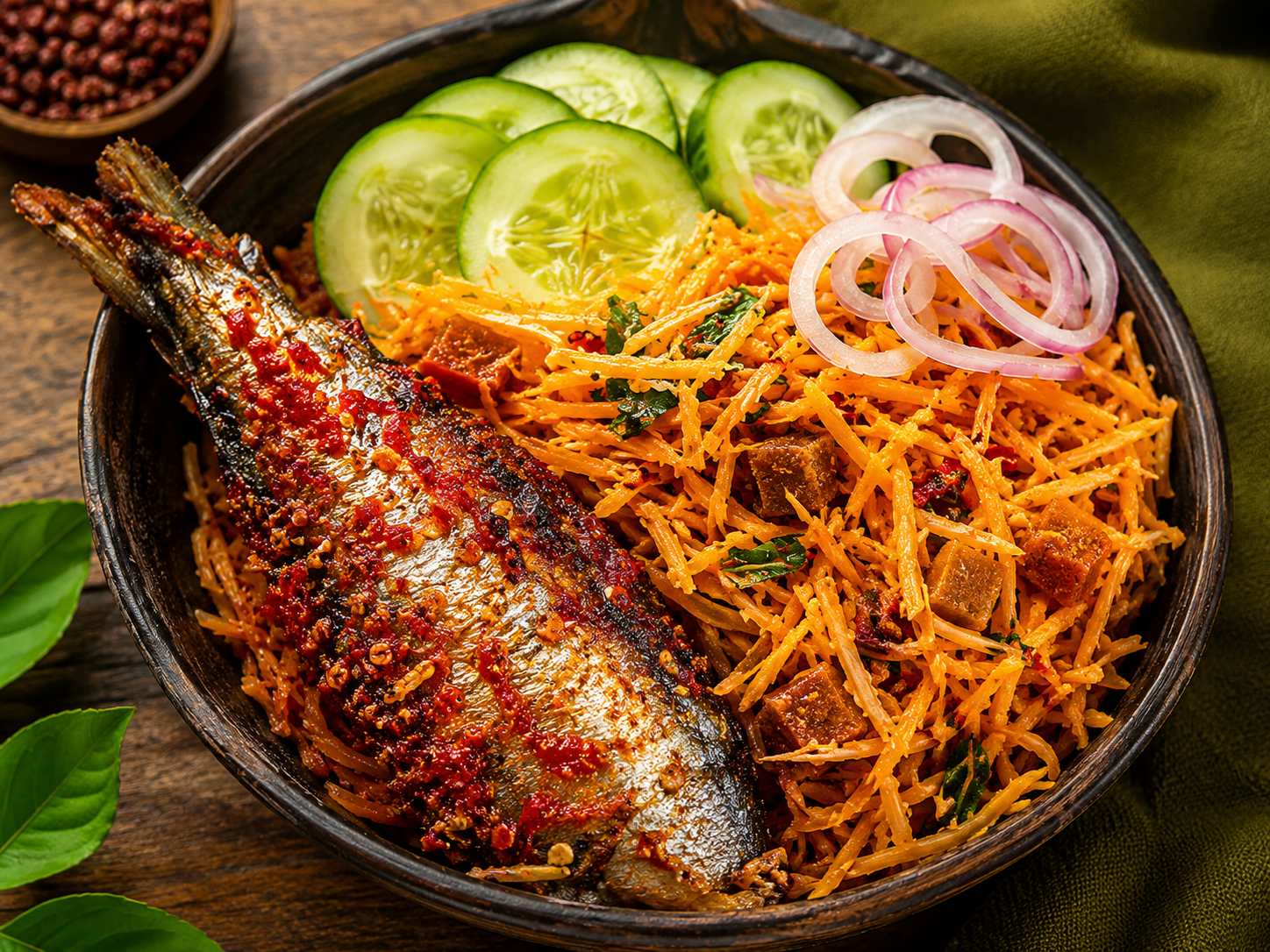
Although commonly called African Salad, Abacha is very different from the vegetable salads a lot of international visitors know.
It is prepared from shredded cassava that has been processed, dried and later softened in water before being mixed with palm oil, ugba (oil bean), crayfish, garden eggs, onions, pepper and other traditional seasonings.
Some versions are served with:
- Grilled fish
- Kanda (cow skin)
- Stockfish
- Garden eggs
Abacha is especially popular during the afternoon and is often enjoyed in local bars, open-air restaurants and roadside food spots. Its combination of textures and flavors makes it one of the most memorable dishes visitors can experience in Enugu. And one hidden truth about Abacha is that it’s more enjoyable if combined with palm while; Don’t tell anybody.
4. Ugba (African Oil Bean)
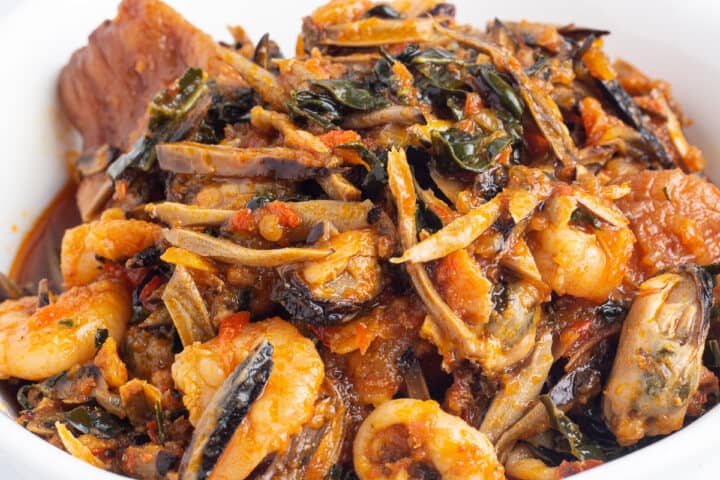
Ugba is one of the ingredients that gives many southeastern Nigerian dishes their distinctive taste. Prepared by fermenting slices of African oil bean seeds, Ugba has a slightly chewy texture and a unique flavor that develops during fermentation.
Although it can be eaten on its own, it is most commonly added to Abacha. It is also served alongside peppered meat or fish during traditional gatherings.
For visitors unfamiliar with fermented foods, Ugba offers an opportunity to experience an important aspect of Igbo culinary heritage.
5. Ofe Oha
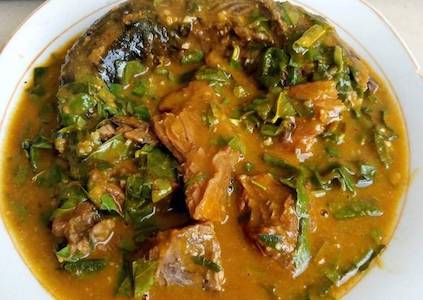
Oha Soup remains one of the most respected traditional soups across Enugu and the wider Igbo region. Its main ingredient is the tender Oha leaf, which gives the soup its distinctive flavor.
Other ingredients often include:
- Cocoyam paste
- Assorted meat
- Dry fish
- Stockfish
- Crayfish
- Local seasonings
Oha Soup is usually enjoyed with pounded yam and is frequently prepared for family occasions because of the effort required to harvest and prepare the fresh leaves.
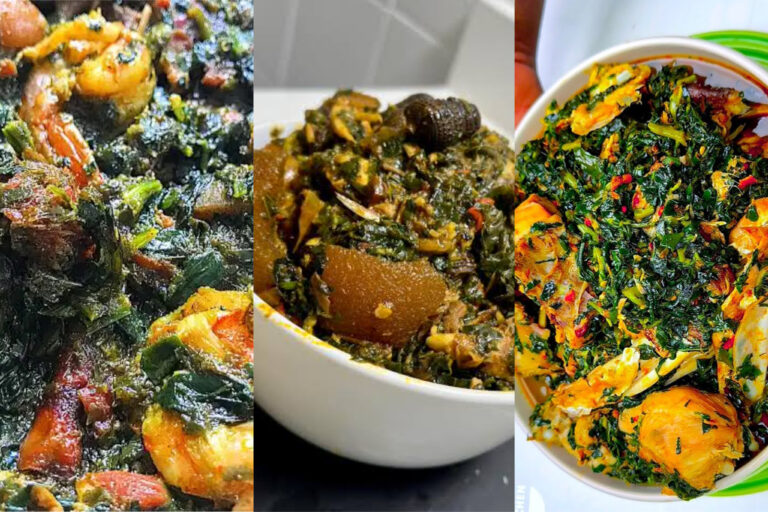
6. Ofe Onugbu (Bitter Leaf Soup)
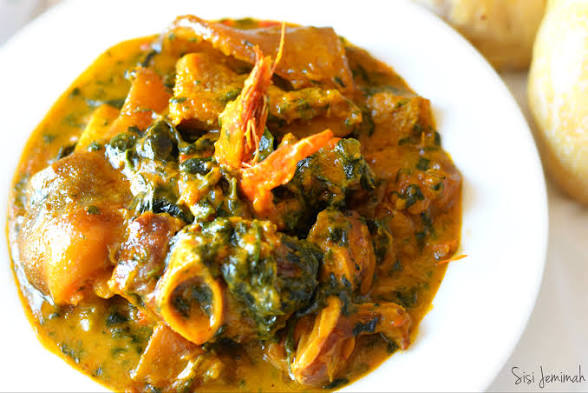
Despite its name, properly prepared Bitter Leaf Soup has a rich, balanced taste. The bitterness of the leaves is carefully reduced through repeated washing before cooking.
The soup combines bitter leaves with ingredients such as:
- Beef
- Goat meat
- Stockfish
- Dry fish
- Palm oil
- Crayfish
- Traditional spices
Ofe Onugbu remains one of the most commonly prepared soups in homes across Enugu. It is both nutritious and deeply rooted in Igbo cooking traditions, If you have a taste of it, you may not want to go back to your country or state anymore.
7. Nkwobi
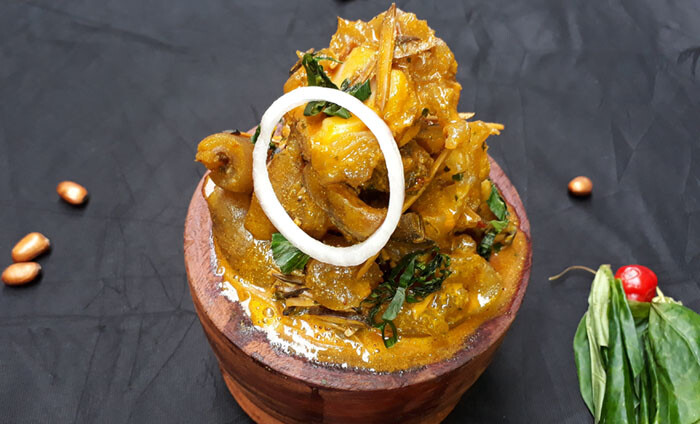
Nkwobi is one of the dishes visitors quickly notice when exploring Enugu’s restaurants and local lounges. It is made from cow foot that has been cooked until tender before being coated in a rich palm-oil-based sauce seasoned with spices, utazi leaves, and other traditional ingredients.
Unlike everyday meals, Nkwobi is often enjoyed socially.
Friends frequently order it while relaxing after work or gathering for special occasions.
Its rich flavor has helped make it one of Enugu’s most popular delicacies.
8. Isi Ewu
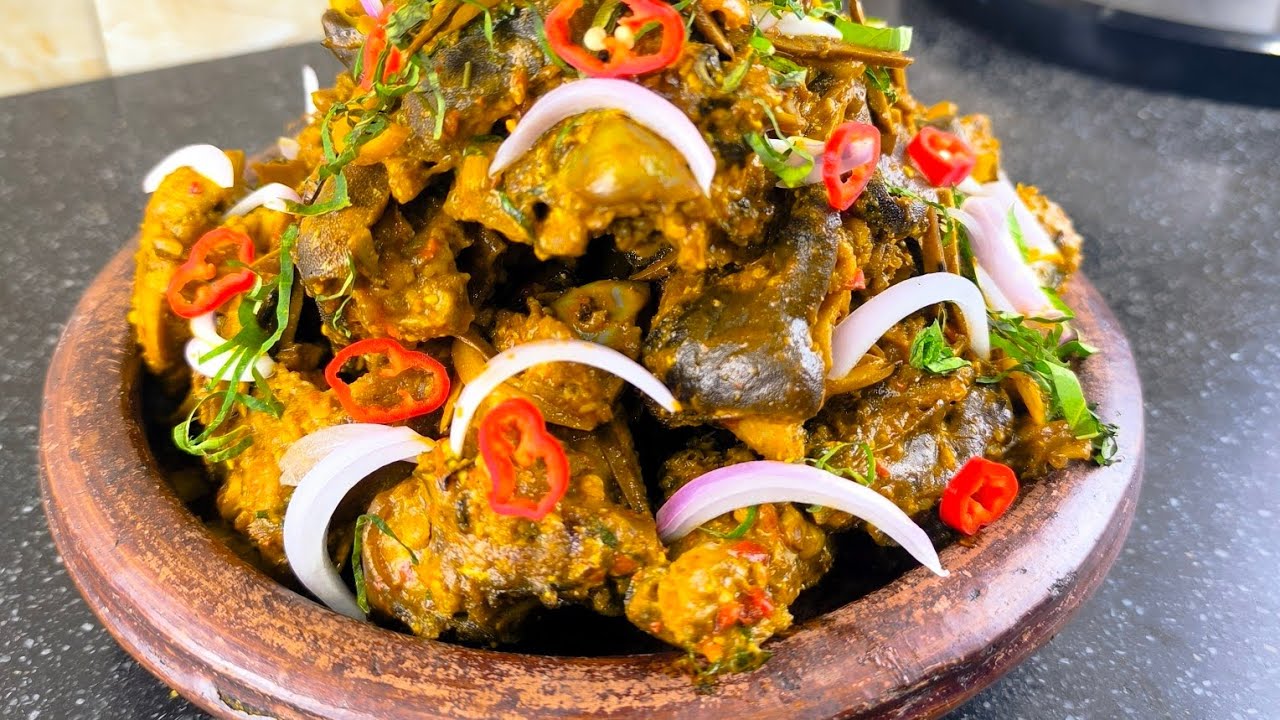
Isi Ewu is another famous traditional delicacy found throughout Enugu. Prepared from a goat’s head, the meat is carefully cleaned, cooked until soft and mixed with a richly seasoned palm oil sauce.
Although visitors may initially find the dish unfamiliar, it is considered a delicacy across southeastern Nigeria.
Isi Ewu is particularly popular during celebrations, cultural events and festive gatherings.
Numerous traditional restaurants in Enugu proudly include it on their menus.
9. Ji na Mmanụ (Yam with Palm Oil)
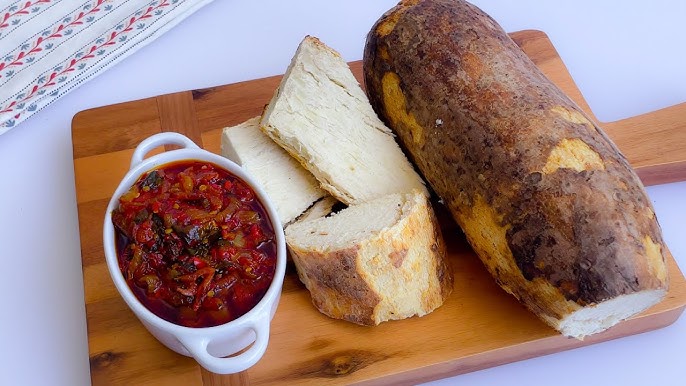
Sometimes the simplest meals carry the deepest cultural meaning. Boiled yam served with fresh palm oil is a timeless Igbo meal that continues to be enjoyed across Enugu.
Depending on personal preference, the meal may also include:
- Salt
- Fresh pepper
- Garden eggs
- Roasted fish
Yam occupies an important place in Igbo culture.
It symbolizes prosperity, hard work and harvest, which is why it plays a central role during the annual New Yam Festival celebrated in several communities.
For visitors interested in experiencing authentic local traditions, Ji na Mmanụ offers a simple but meaningful taste of Enugu.
10. Achicha
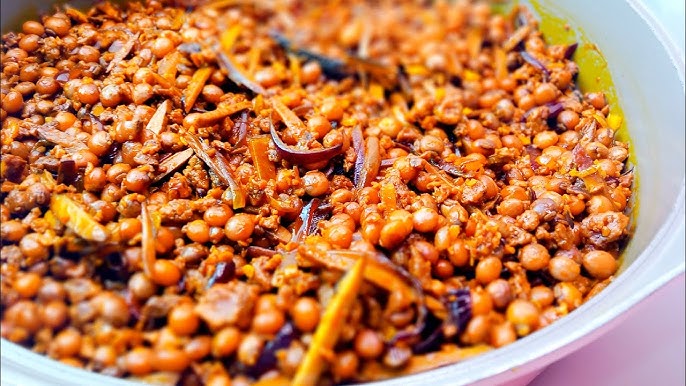
Achicha is one of the lesser-known traditional dishes visitors may discover while exploring Enugu.
It is prepared using dried cocoyam flakes combined with vegetables, palm oil and local seasonings.
Although not as common in restaurants as some other dishes, Achicha remains popular in lot’s of homes and rural communities. Its preparation reflects older cooking traditions that continue to survive despite changing lifestyles.
Travelers looking beyond the most famous meals may find Achicha to be one of Enugu’s hidden culinary treasures.
11. Palm Wine
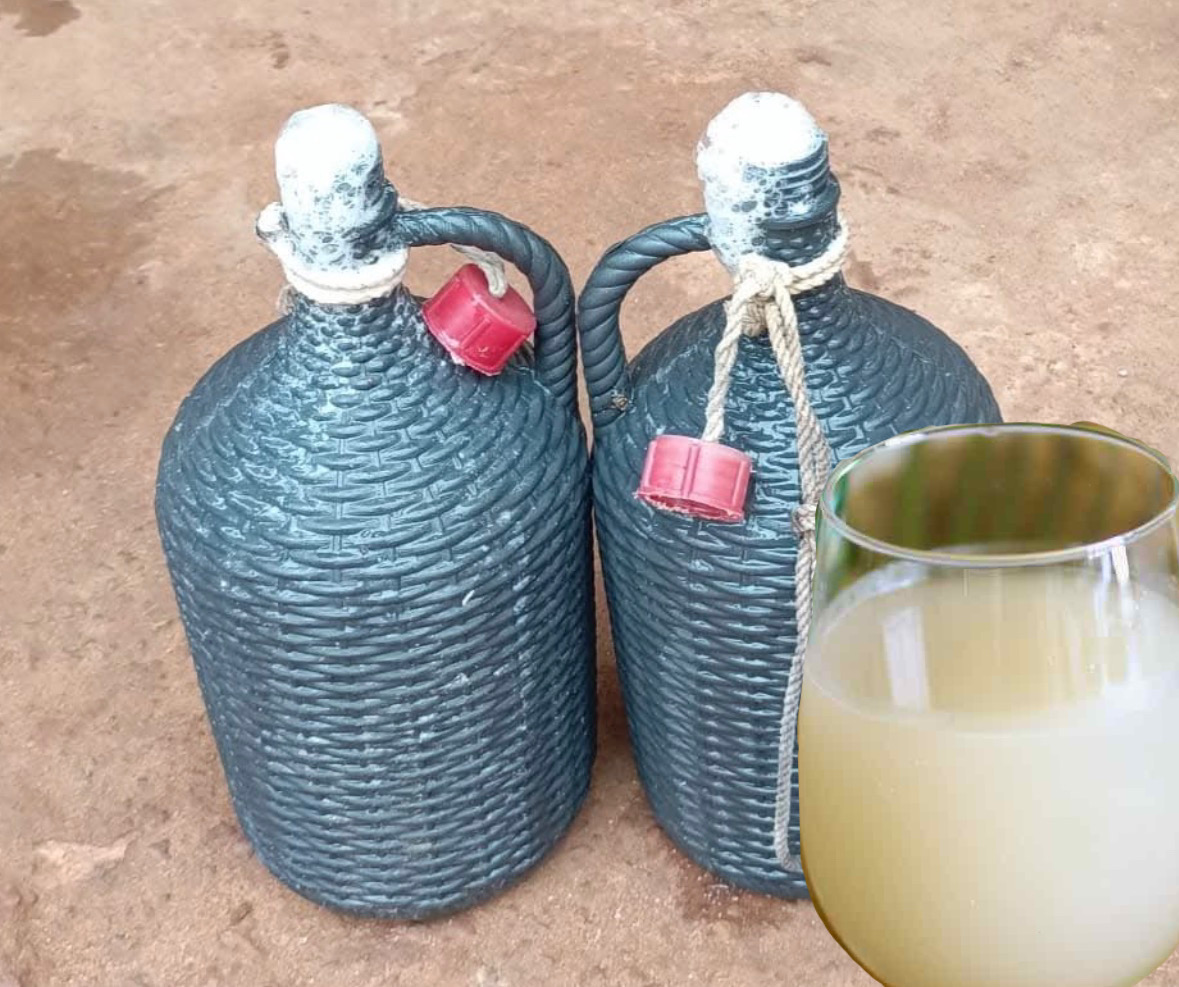
Although technically a drink rather than a meal, fresh palm wine is an important part of Enugu’s food culture. Collected from palm trees, the drink is naturally sweet when freshly tapped and gradually becomes stronger as fermentation continues.
Palm wine is traditionally served during:
- Weddings
- Traditional marriage ceremonies
- Festivals
- Community meetings
- Family celebrations
Lot’s of local delicacies, especially Nkwobi and Isi Ewu, are commonly enjoyed alongside fresh palm wine.
12. Roasted Corn and Pear (Oka Na Ube)
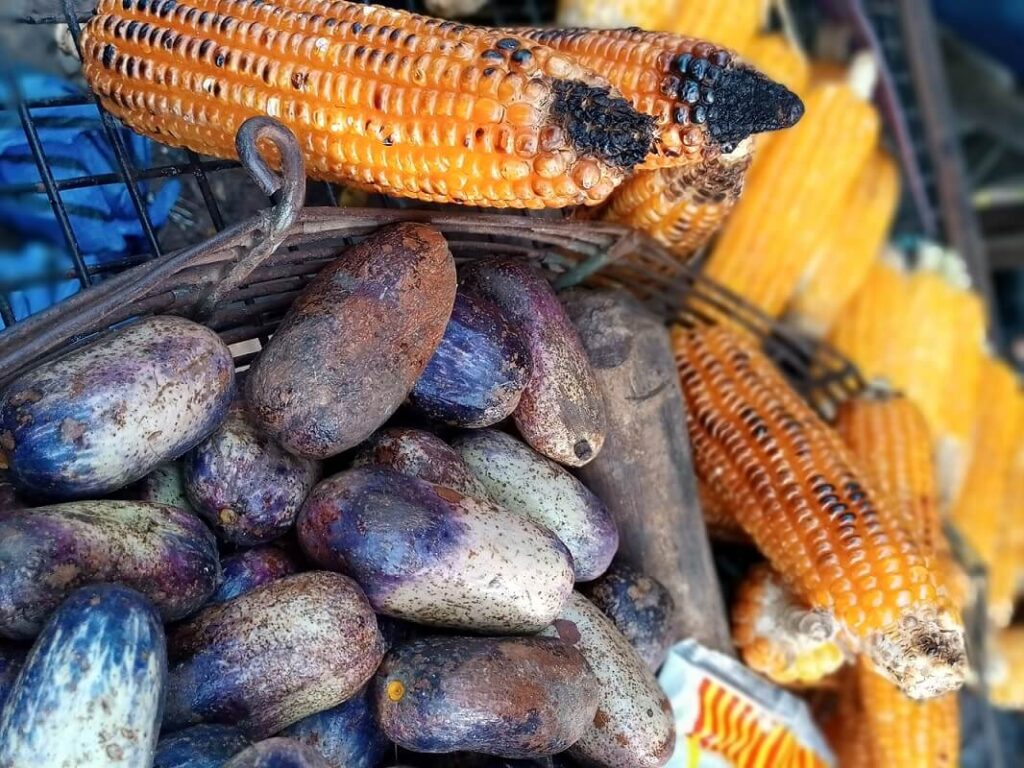
During the rainy season, one of the simplest yet most loved combinations found across Enugu is roasted corn served with African pear, locally known as Ube. The pear is lightly roasted until soft before being eaten alongside freshly roasted corn.
This seasonal snack is widely sold by roadside vendors and remains a favorite among residents.
Visitors or tourists traveling during the corn season should not miss this uniquely satisfying local combination.
Where to Enjoy Authentic Local Food in Enugu
Visitors looking for genuine local cuisine can explore:
- Traditional restaurants across Independence Layout
- Local eateries in Ogui
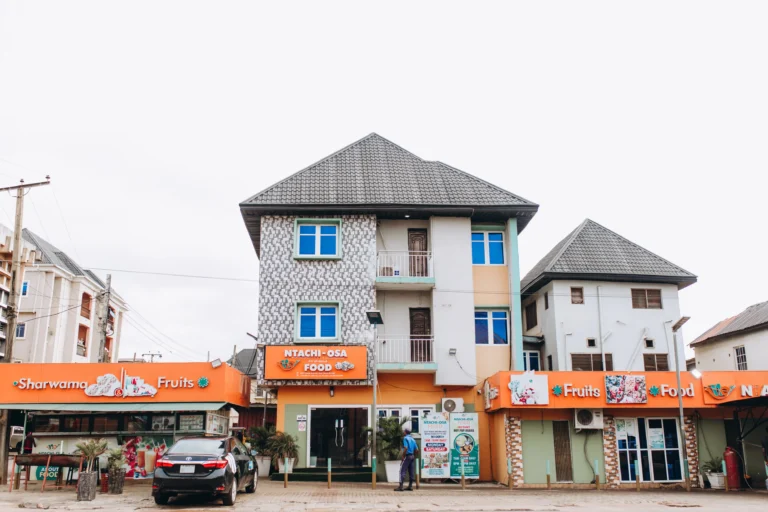
- Popular food spots around New Haven (Ex. Ntachi Osa)
- Selected restaurants in GRA
- Nsukka, which is also known for preserving a lot of traditional Igbo recipes (Especially Enugu-Ezike)
Local markets such as Ogbete Main Market also offer opportunities to purchase fresh ingredients and experience the everyday food culture of Enugu.
Why Enugu’s Food Culture Stands Out
Enugu’s cuisine reflects the history, agriculture and traditions of the Igbo people.
Numerous dishes continue to be prepared using recipes passed from one generation to another, preserving flavors that have remained part of local communities for decades.
Unlike destinations where food has become heavily commercialized, Enugu still offers visitors opportunities to enjoy meals prepared in traditional ways using fresh local ingredients.
For travelers interested in cultural tourism, experiencing these foods provides a deeper understanding of the people, their customs and their hospitality.
Final Thoughts – Visit Enugu Today
A visit to Enugu is incomplete without exploring its local cuisine. From the famous Okpa that has become a symbol of the Coal City to flavorful soups like Ofe Nsala and Ofe Oha, every meal tells a story about the traditions and identity of the people who call Enugu home.
Whether you’re enjoying a simple breakfast from a roadside vendor, sharing Abacha with friends at a local eatery or tasting freshly prepared Nkwobi in a traditional restaurant, you’ll discover that Enugu’s food is as memorable as its landscapes and cultural attractions.
For anyone planning a trip to southeastern Nigeria, exploring these local dishes is one of the most rewarding ways to experience Enugu beyond its tourist sites. We keep giving you important travel updates like this, always visit Pathcresta to read more of it on daily basis.

Mr Derek is the founder and editor of Pathcresta. He specializes in travel, tourism, and destination content, producing accurate, informative and practical guides that help readers explore attractions, plan trips and discover unique experiences across Nigeria and around the world.