20 African Towns Famous for Traditional Crafts Worth Visiting In 2026
Africa is home to thousands of communities where traditional craftsmanship remains an important part of everyday life. Across the continent, artisans continue to preserve centuries old skills passed down through generations, producing handmade pottery, woven baskets, colorful textiles, wood carvings, beadwork, leather goods, jewelry and metal sculptures. These crafts are more than souvenirs, they reflect local identity, history and cultural heritage.
For travelers and tourists who want to experience authentic Africa, visiting towns known for their traditional crafts offers a chance to meet local artisans, observe time honored techniques and purchase unique handmade products directly from the people who create them. Lot’s of these destinations also feature vibrant markets, cultural festivals, museums and workshops where visitors can learn about the stories behind the crafts.
If you’re planning a cultural journey across Africa, these are 20 African Towns Famous for Traditional Crafts Worth Visiting In 2026.
1. Bida, Nigeria
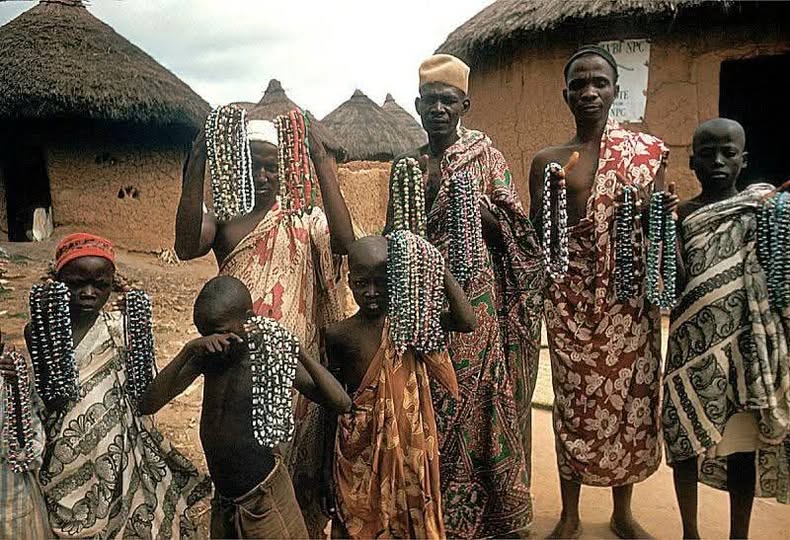
Located in Niger State, Bida has long been recognized as one of Nigeria’s leading craft towns. It is particularly famous for brass works, glass bead making, traditional embroidery and woven mats.
Visitors can explore local workshops where artisans continue to produce handcrafted items using techniques that have existed for generations. Bida’s bustling markets offer beautiful souvenirs that reflect the town’s rich Nupe heritage.
2. Akwete, Nigeria
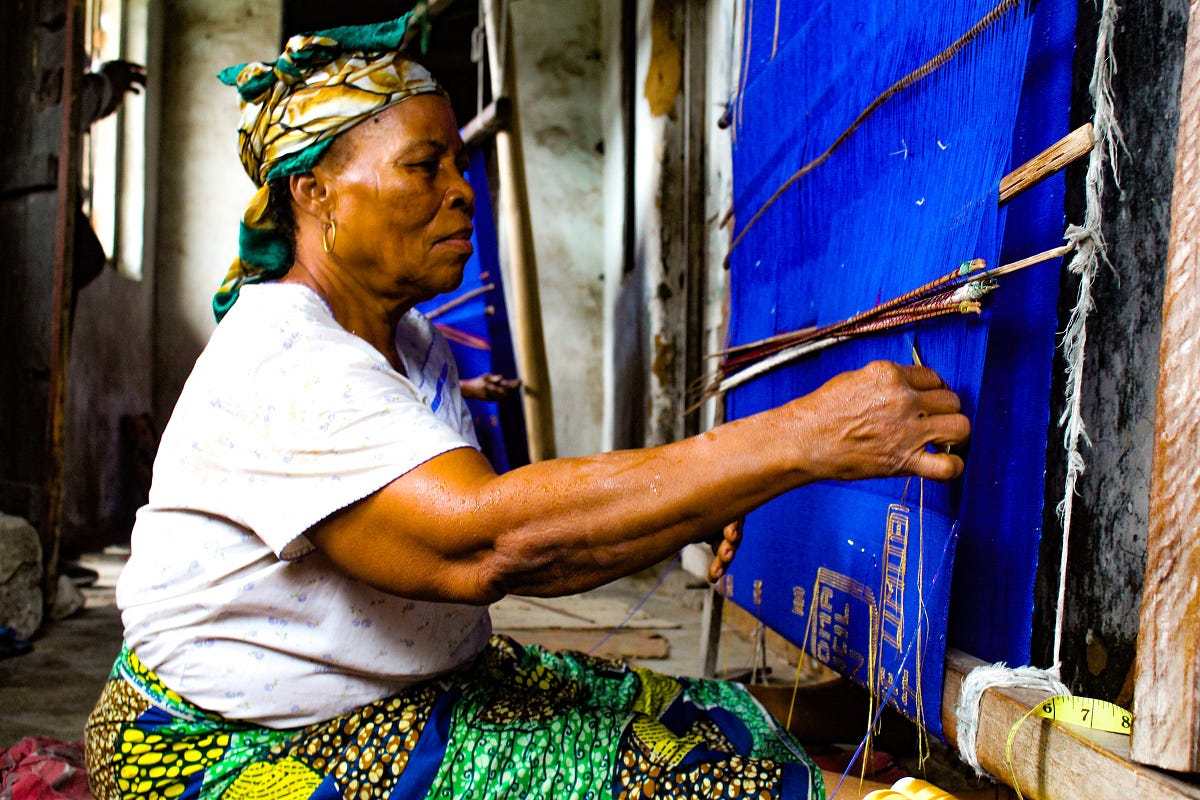
Akwete, in Abia State, is internationally known for its handwoven Akwete cloth. The intricate weaving tradition dates back centuries and remains one of Nigeria’s finest textile arts. Skilled women operate traditional looms to create colorful fabrics that are used for ceremonial clothing, interior decoration and fashion.
Travelers interested in indigenous textiles will find Akwete a rewarding cultural destination.
3. Ipetumodu, Nigeria
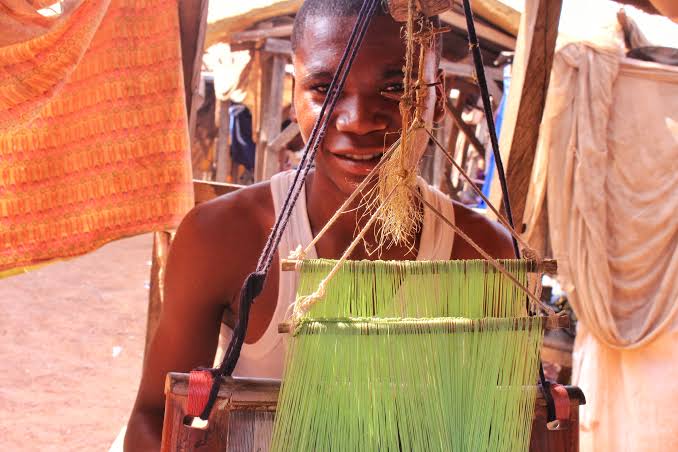
Located in Osun State, Ipetumodu has earned recognition for traditional pottery production.
A lot of local families continue to make clay pots using methods handed down through generations. Visitors can observe every stage of the pottery making process, from shaping clay to firing finished pieces.
4. Bonwire, Ghana
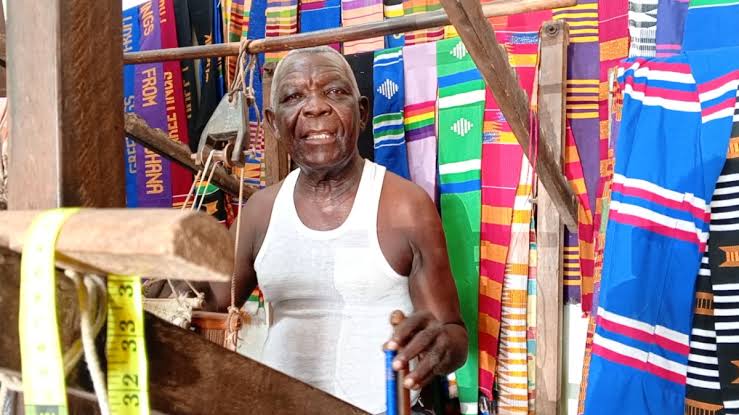
Bonwire is regarded as the birthplace of Ghana’s famous Kente cloth. Visitors can watch master weavers transform colorful silk and cotton threads into intricate patterns that symbolize wisdom, royalty, unity and prosperity.
Several workshops welcome tourists, allowing them to learn about the history of Kente while purchasing authentic handwoven fabrics.
5. Sirigu, Ghana
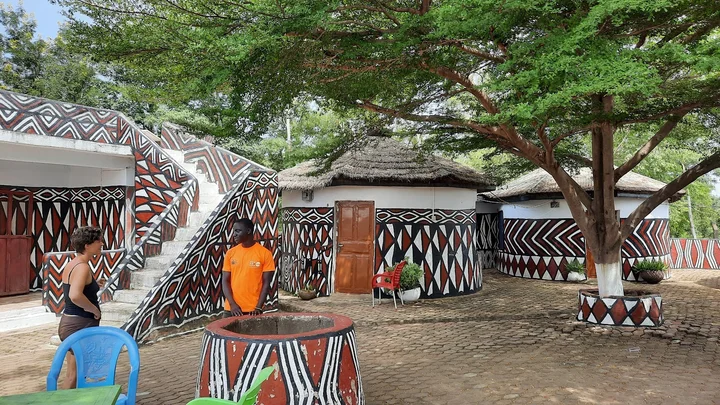
Sirigu is celebrated for its beautifully decorated traditional homes, basket weaving, leatherwork and pottery. The Sirigu Women’s Organization for Pottery and Art has helped preserve local craftsmanship while providing economic opportunities for artisans.
Visitors often participate in workshops and cultural tours.
6. Ntonso, Ghana
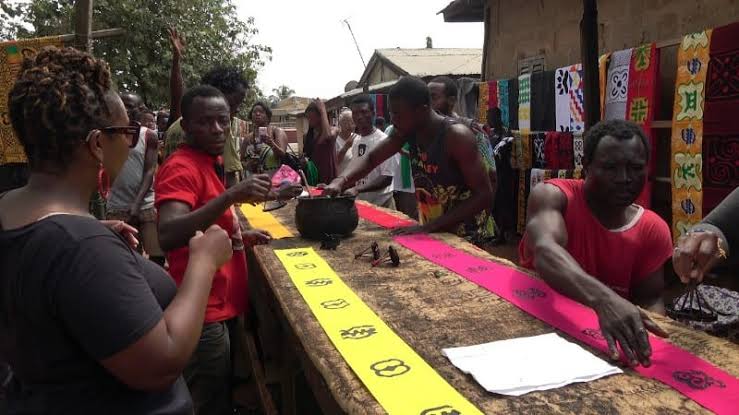
Ntonso is famous for producing Adinkra cloth, one of Ghana’s most important cultural textiles. Artisans handstamp symbolic designs onto fabric using natural dyes made from tree bark.
Each symbol carries a unique meaning representing values such as wisdom, courage, leadership and hope.
7. Bolgatanga, Ghana
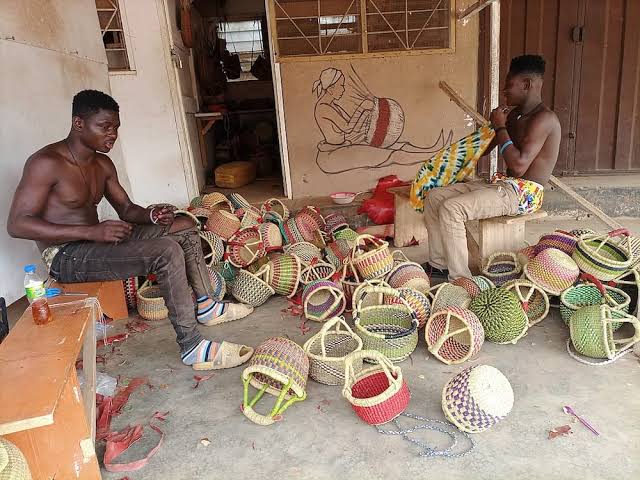
Bolgatanga, often called “Bolga,” is renowned across West Africa for its handwoven baskets. Made from elephant grass, these durable baskets are exported worldwide and remain one of Ghana’s most recognizable traditional crafts
Visitors can tour weaving centers and purchase directly from artisans.
8. Tamegroute, Morocco
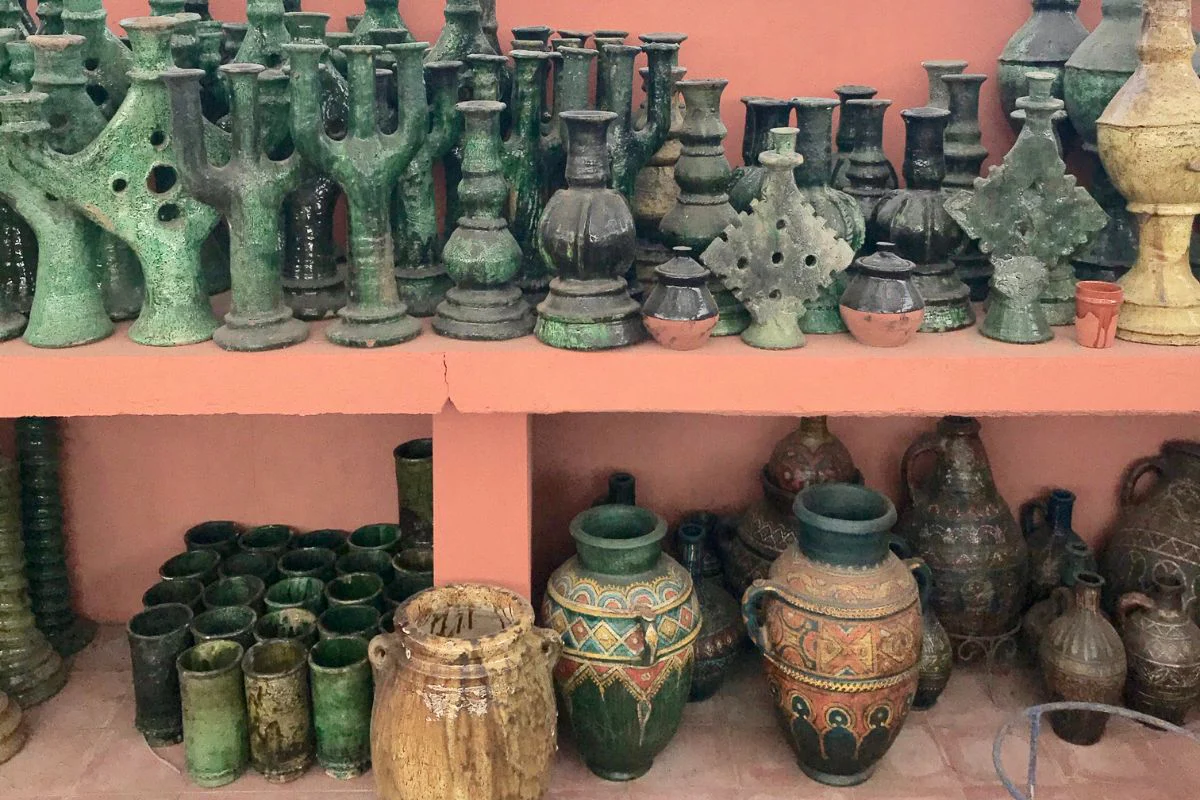
Situated near the edge of the Sahara Desert, Tamegroute is famous for its distinctive green pottery. The town’s workshops use traditional kilns and centuries-old techniques to produce bowls, plates, decorative tiles and ceramics with their signature green glaze.
Every piece is handmade, making each item unique.
9. Safi, Morocco
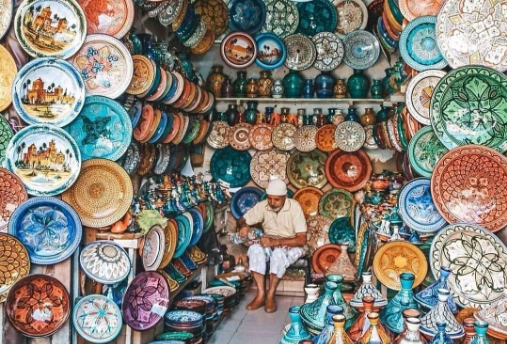
Safi is widely regarded as Morocco’s pottery capital. Its historic pottery quarter is filled with workshops producing decorative ceramics, serving dishes, tagines and colorful mosaic pieces.
Visitors can watch artisans shape clay by hand before firing and glazing their creations.
10. Sidi Bou Said, Tunisia
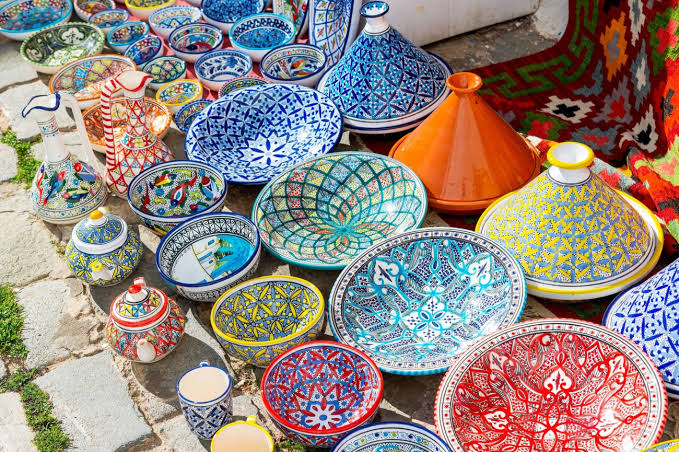
Although best known for its striking blue and white architecture, Sidi Bou Said is also home to talented artisans producing ceramics, jewelry, calligraphy, embroidered textiles and handcrafted souvenirs.
Its narrow streets are lined with galleries and craft boutiques.
11. Aswan, Egypt
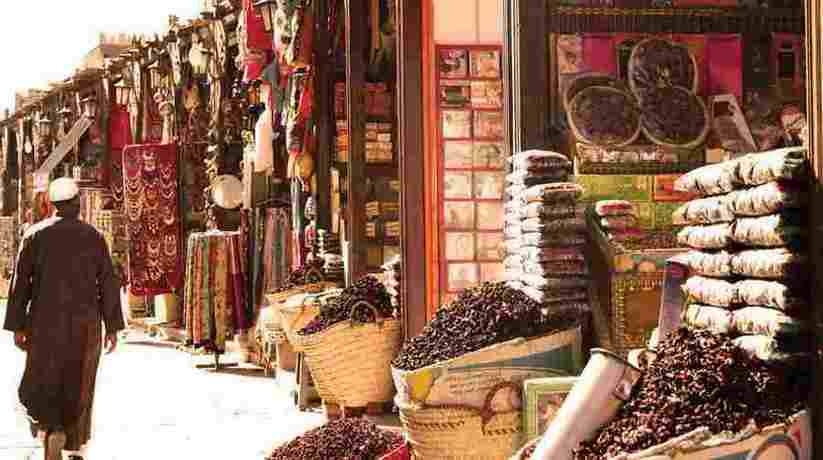
Aswan has long been associated with Nubian handicrafts. Visitors or tourists will find colorful woven baskets, embroidered fabrics, beadwork, spices, hand-carved wooden items and traditional jewelry in local markets.
Nubian villages near Aswan provide additional opportunities to experience local craftsmanship firsthand.
12. Fes, Morocco
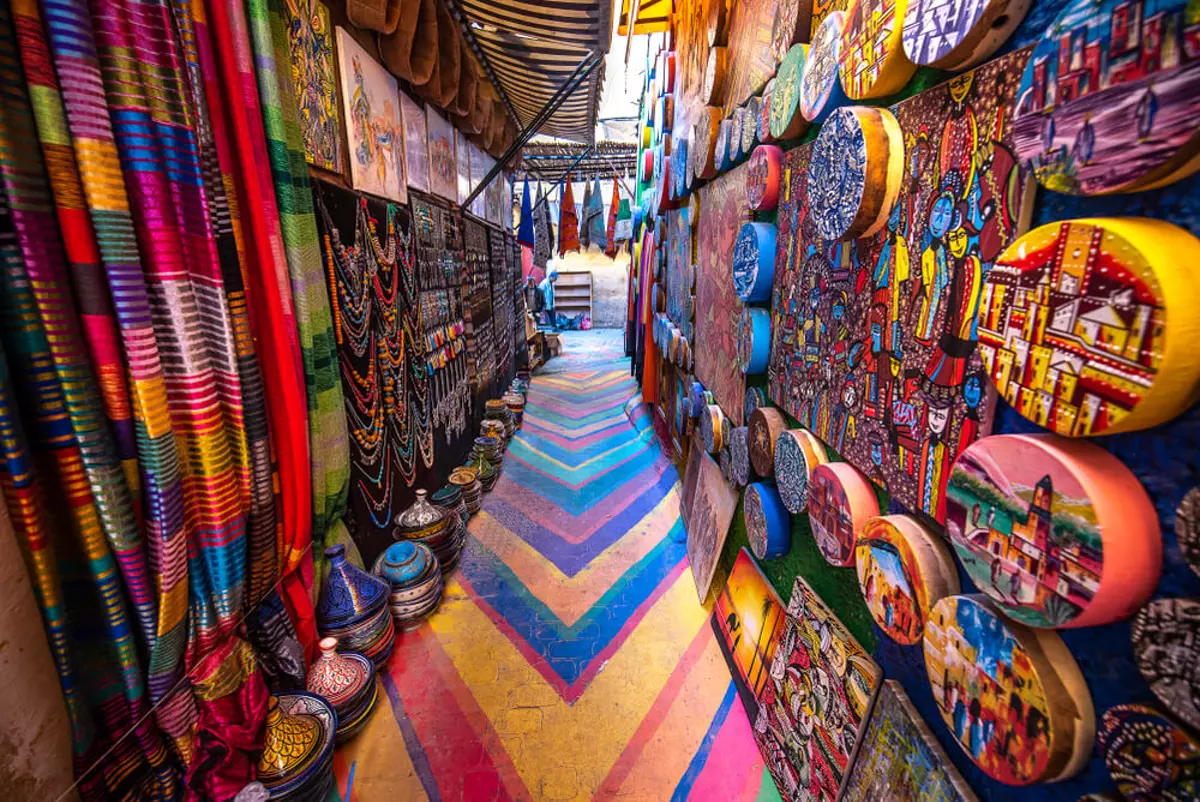
Fes remains one of North Africa’s greatest centers for traditional craftsmanship. Its ancient medina contains hundreds of workshops specializing in leather goods, brasswork, wood carving, mosaic tiles embroidery, and ceramics.
Several artisan families have practiced these crafts for generations.
13. Kairouan, Tunisia
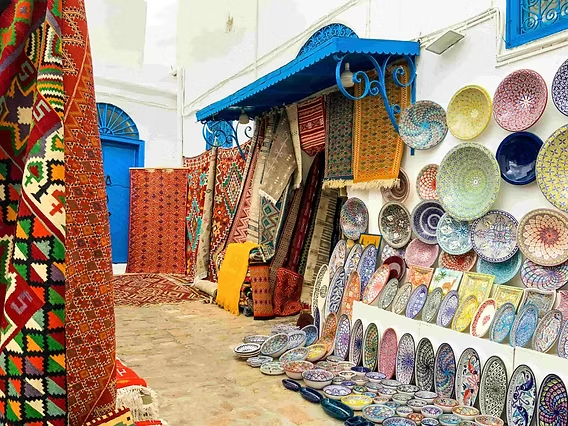
Kairouan is famous for producing some of the finest handmade carpets in North Africa. Visitors can tour workshops where skilled weavers create elaborate wool carpets featuring traditional Islamic patterns.
The city’s historic medina also offers leather goods, copperware, and ceramics.
14. Mbour, Senegal
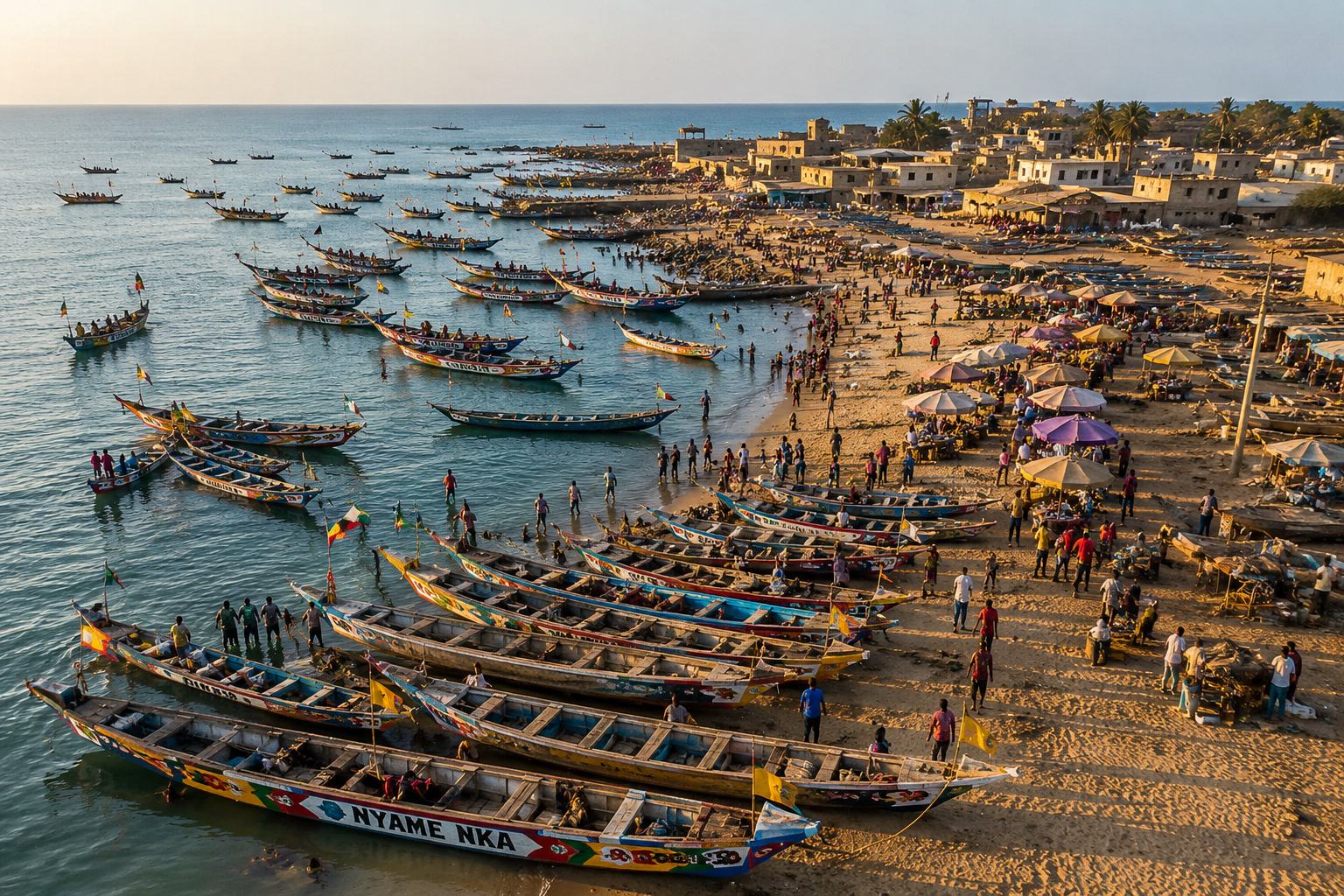
Located along Senegal’s Petite Côte, Mbour combines fishing traditions with vibrant craft markets. Artisans produce wood carvings, paintings, woven baskets, leather goods, jewelry and colorful textiles that showcase Senegalese culture.
Its markets are among the country’s most popular for handmade products.
15. Tengenenge, Zimbabwe

Tengenenge has become internationally recognized for its remarkable stone sculptures. Local artists transform serpentine stone into expressive works that are displayed in galleries around the world.
Visitors can watch sculptors at work and purchase original pieces directly from the artists.
16. Swakopmund, Namibia
Swakopmund blends German colonial architecture with Namibian artistic traditions.
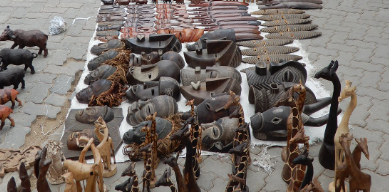
Its craft markets feature handmade jewelry, leather goods, carved wooden sculptures, woven baskets, gemstones and traditional artworks created by artisans from across Namibia.
17. Arusha, Tanzania
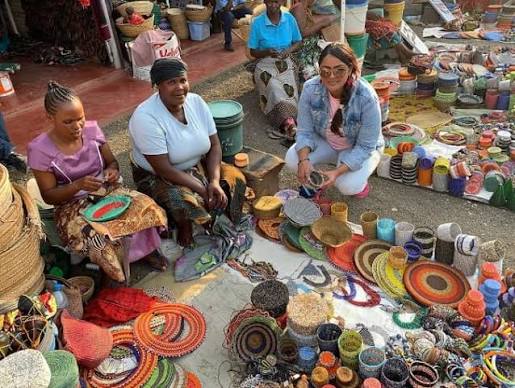
Arusha serves as an important center for East African crafts. Visitors can browse markets selling Maasai beadwork, wood carvings, paintings, woven baskets and handmade jewelry.
Nearby cultural villages also provide opportunities to meet local artisans and learn about traditional Maasai craftsmanship.
18. Mto wa Mbu, Tanzania
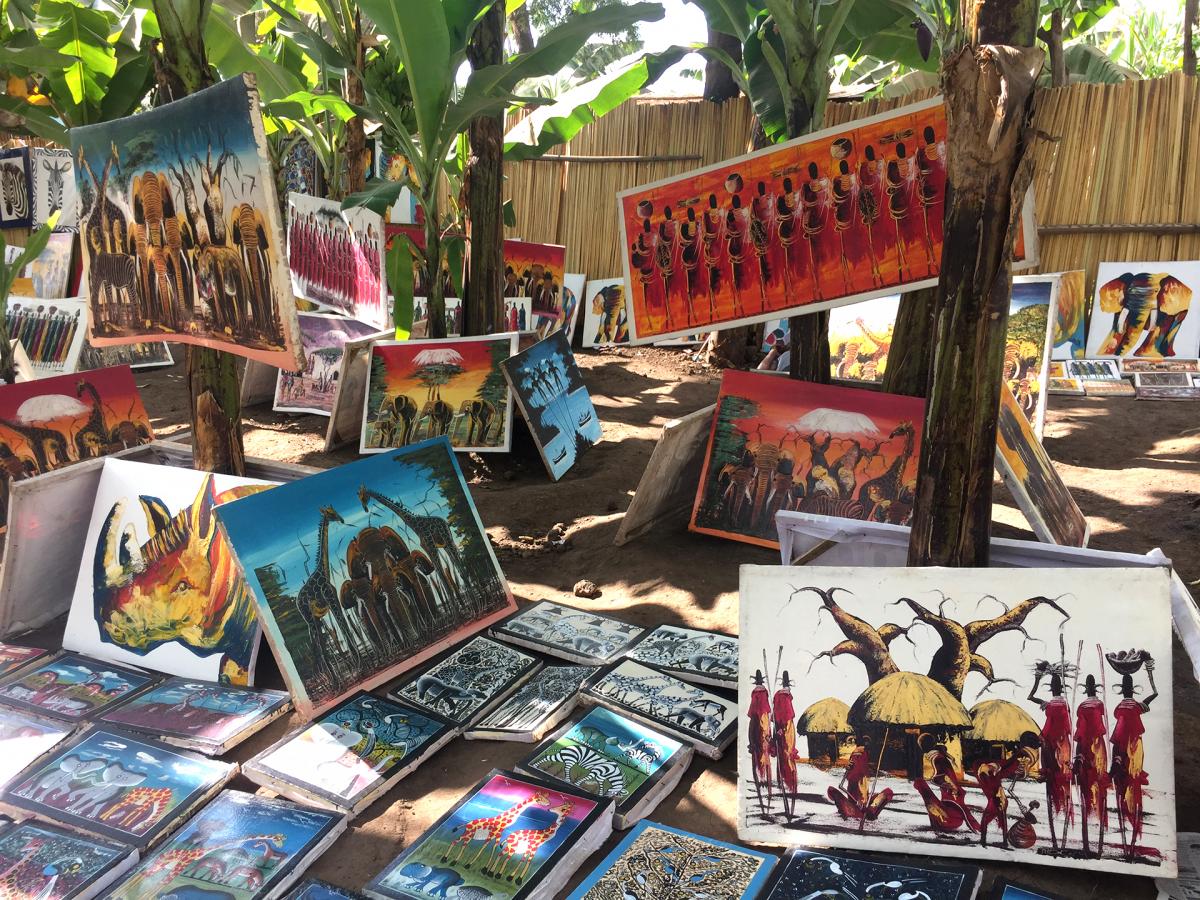
This multicultural town near Lake Manyara National Park is known for its thriving artisan community.
Visitors can explore workshops producing carvings, paintings, woven products, textiles and handcrafted household items while interacting directly with local craftspeople.
19. Ezulwini, Eswatini
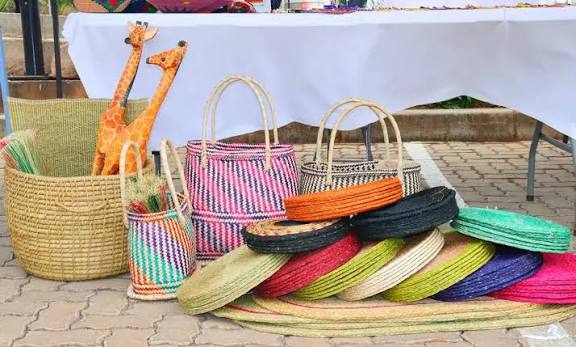
Ezulwini Valley is one of Eswatini’s leading craft destinations. The area is home to numerous craft centers specializing in candle making, hand-blown glass, woven baskets wood carvings, and jewelry.
Several workshops allow visitors to observe artisans creating products by hand.
20. Mzuzu, Malawi
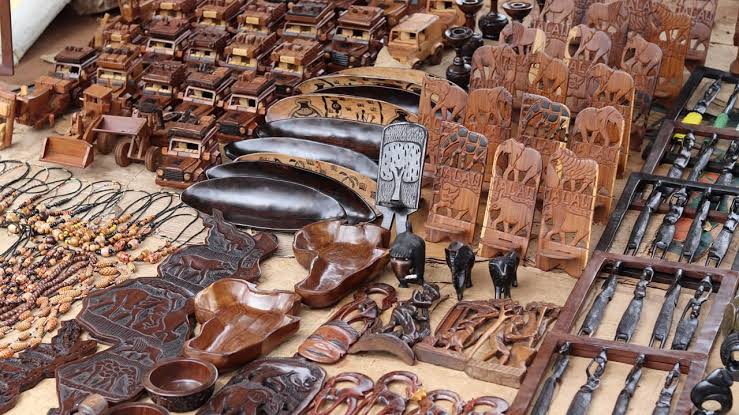
Mzuzu has earned a reputation for its vibrant craft markets showcasing northern Malawi’s artistic traditions.
Tourists can purchase beautifully carved furniture, woven baskets, musical instruments, pottery, textiles and paintings while supporting local artisans and community businesses.
Why Visit Africa’s Traditional Craft Towns?
Traveling to these destinations offers far more than shopping. Visitors gain insight into the customs, beliefs and creative traditions that define local communities. numerous artisans are happy to explain the meaning behind their work, providing a deeper appreciation of the cultural significance of each piece.
Unlike mass-produced souvenirs, handmade crafts often require hours or even days to complete, reflecting remarkable patience and skill.
Buying directly from artisans also helps preserve traditional techniques while supporting local livelihoods.
What Crafts Can You Expect to Find?
Africa’s craft traditions are incredibly diverse. Depending on the destination, visitors may discover:
- Handwoven textiles
- Pottery and ceramics
- Traditional baskets
- Wood carvings
- Stone sculptures
- Leather goods
- Glass beads
- Brass and bronze works
- Metal sculptures
- Handmade jewelry
- Painted fabrics
- Embroidery
- Musical instruments
- Traditional masks
- Decorative home accessories
Each region has developed its own distinctive artistic style shaped by local history, natural resources and cultural influences.
Tips for Visiting Craft Towns
To make the most of your visit:
- Buy directly from local artisans whenever possible.
- Ask permission before photographing people or workshops.
- Learn about the history behind the crafts you purchase.
- Carry cash, as smaller workshops may not accept cards.
- Consider visiting community-run craft centers where your purchases directly benefit local families.
- Pack fragile items carefully if buying ceramics or glass products.
- Respect local customs and traditions during your visit.
Supporting Sustainable Tourism
Traditional crafts play an important role in preserving Africa’s cultural heritage. By purchasing authentic handmade products instead of factory made imitations, travelers help sustain artisan communities and encourage younger generations to continue learning these valuable skills.
Many craft centers also provide employment opportunities for women and youth while promoting environmentally friendly production methods using natural materials sourced locally. Choosing ethical shopping experiences allows visitors to contribute positively to the local economy while taking home meaningful reminders of their journey.
Conclusion
Africa’s traditional craft towns offer some of the continent’s richest cultural experiences. From the colorful Kente weaving of Bonwire and the famous Akwete cloth of Nigeria to the pottery workshops of Safi and Tamegroute, each destination tells a unique story through handmade artistry.
Whether you’re fascinated by textiles, pottery, sculpture, leatherwork or beadwork, these towns provide opportunities to witness remarkable craftsmanship that has survived for centuries. Visiting these communities not only enriches your travel experience but also supports the talented artisans who continue to preserve Africa’s diverse cultural heritage.
For travelers seeking meaningful experiences beyond famous landmarks, these 20 African towns are well worth adding to your itinerary. Always share and make sure you visit our website Pathcresta any time you’re looking for informative travel contents like this.

Mr Derek is the founder and editor of Pathcresta. He specializes in travel, tourism, and destination content, producing accurate, informative and practical guides that help readers explore attractions, plan trips and discover unique experiences across Nigeria and around the world.