Traditional Foods in Cross River Every Visitor Should Try
Before many travelers remember the waterfalls, mountain views, or vibrant festivals of Cross River State, they often remember the food. On this article I will share with you Traditional Foods in Cross River Every Visitor Should Try.
Meals in Cross River are more than a way to satisfy hunger, they’re a reflection of the state’s history, fertile land, rivers and diverse cultures. Fresh vegetables from rainforest communities, seafood harvested from coastal waters, aromatic spices and recipes handed down through generations have created a cuisine that stands out even among Nigeria’s rich culinary traditions
Whether you’re dining at a local restaurant in Calabar, sharing a homecooked meal in an Efik household or exploring food stalls during the Calabar Carnival, you’ll quickly discover that Cross River’s cuisine is bold, flavorful and deeply rooted in tradition.
If you’re planning a visit, these are the traditional dishes you shouldn’t leave without tasting.
1. Afang Soup
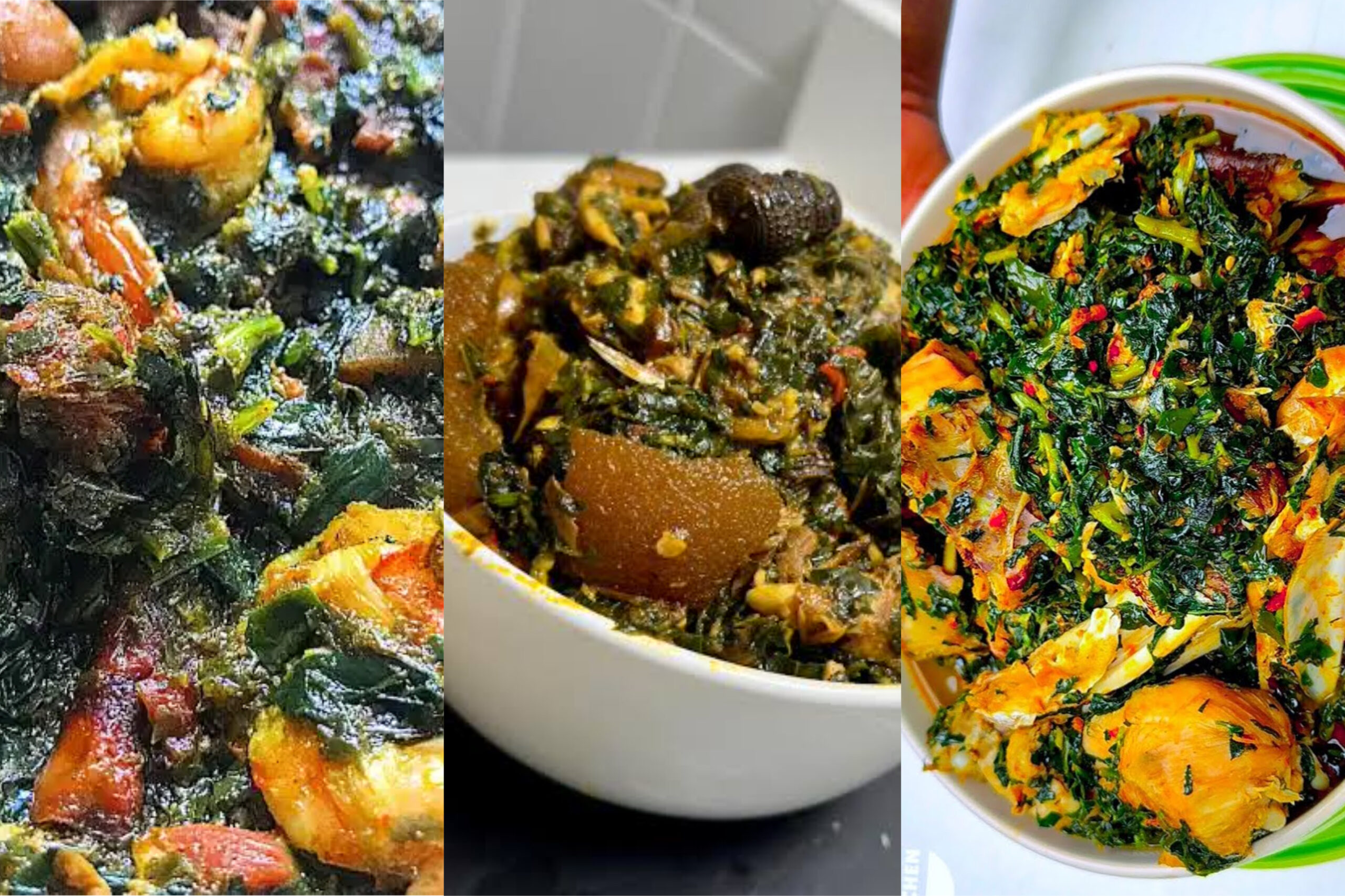
If there’s one dish that perfectly represents Cross River cuisine, it’s Afang Soup. Prepared with shredded afang leaves, waterleaf, palm oil, assorted meat, stockfish, smoked fish, periwinkles, and crayfish, the soup is rich, slightly earthy and incredibly satisfying. Every family has its own recipe, but the combination of fresh vegetables and seafood gives Afang its unmistakable flavor.
It’s commonly served with pounded yam, fufu, eba or semolina. Afang soup is one of the most popular soup in Cross Rivers State.
Best enjoyed in: Calabar, Akpabuyo, Bakassi and other Efik communities.
2. Edikang Ikong
Few Nigerian soups are as nutritious as Edikang Ikong. Made primarily from pumpkin leaves (ugu) and waterleaf, this vegetable rich soup is cooked with palm oil, assorted meat, smoked fish, crayfish, periwinkles and seasonings.
Although it’s also popular in neighboring Akwa Ibom State, Edikang Ikong remains an important part of Cross River’s culinary heritage and is often prepared for weddings, traditional ceremonies and family celebrations.
3. Ekpang Nkukwo
One of the state’s most distinctive dishes, Ekpang Nkukwo takes patience to prepare but rewards diners with exceptional flavor. Fresh cocoyam is grated, wrapped in cocoyam leaves, and slowly cooked with palm oil, smoked fish, crayfish, periwinkles, meat and spices until everything blends into a rich, comforting meal.
Visitors looking for an authentic Cross River experience should place this dish high on their list.
4. White Soup (Afia Efere)
Unlike palm oilbased soups, White Soup gets its creamy appearance from ingredients such as pounded yam or cocoyam used as natural thickeners.
Prepared with fresh fish, goat meat, assorted spices and aromatic herbs, the soup delivers a delicate yet flavorful taste that makes it a favorite among many visitors.
It is usually served with pounded yam.
5. Editan Soup
Editan Soup is famous for its slightly bitter taste, which comes from the Editan leaves used in its preparation. The leaves are carefully washed to reduce their bitterness before being cooked with palm oil, crayfish, stockfish, assorted meat and seafood.
Its unique flavor may surprise first time visitors, but many quickly develop a taste for it.
6. Fisherman’s Soup
With rivers, creeks, and coastal waters surrounding much of Cross River State, it’s no surprise that seafood plays a major role in local cuisine. Fisherman’s Soup combines fresh fish, prawns, crabs, oysters, periwinkles, crayfish and other seafood in a rich, spicy broth.
The freshness of the ingredients makes every bowl unforgettable.
7. Atama Soup
Prepared using Atama leaves, this soup is both flavorful and aromatic. Palm fruit extract gives it a rich texture, while smoked fish, meat, crayfish and local spices create a deeply satisfying taste.
It’s often served during important family gatherings and festive occasions.
8. Native Pepper Soup
Cross River’s version of pepper soup is famous for its bold flavors. Whether prepared with fresh fish, goat meat, chicken or assorted meat, the soup relies on a blend of indigenous spices that give it a distinctive aroma.
A lot of locals enjoy it as a light meal or evening delicacy.
9. Ekpang Soup
Although less widely known than Ekpang Nkukwo, Ekpang Soup is another traditional favorite prepared in several communities across the state.
It combines local vegetables, seafood, palm oil and traditional seasonings to produce a rich and nourishing meal.
10. Banga Soup
Made from freshly extracted palm fruit juice, Banga Soup has a naturally rich flavor that pairs beautifully with fresh fish, meat, and local spices.
Served with starch, pounded yam or eba, it remains popular across southern Nigeria, including parts of Cross River.
11. Ukwoho Soup
Ukwoho is a traditional yam-based soup prepared with local herbs, smoked fish, crayfish and palm oil.
The combination produces a comforting meal that reflects the agricultural traditions of many rural communities.
12. Fresh Seafood Platter
Not every memorable meal in Cross River comes in the form of soup. Along Calabar’s waterfront and coastal communities, visitors can enjoy freshly grilled fish, prawns, crabs, oysters and lobsters seasoned with local spices and served with roasted plantain or boiled yam.
Seafood lovers will find plenty to enjoy.
13. Abacha (African Salad)
Although Abacha is more commonly associated with southeastern Nigeria, it is also enjoyed in parts of Cross River.
Prepared from dried shredded cassava, palm oil, garden eggs, ugba (oil bean), fish and local spices, it makes a refreshing afternoon meal or snack.
14. Roasted Plantain with Pepper Sauce
Sometimes the simplest meals are the most satisfying.
Roasted plantain, locally known as boli, served with spicy pepper sauce and grilled fish or roasted groundnuts, is a favorite street food enjoyed across Calabar and other towns.
It’s affordable, filling and easy to find.
15. Coconut Rice
Thanks to Cross River’s coastal location, coconuts are widely used in local cooking. Coconut rice, prepared with coconut milk, vegetables, seafood or chicken, has become a popular dish during celebrations and special occasions.
Its subtle sweetness complements spicy side dishes beautifully.
Where to Experience Authentic Cross River Cuisine
To enjoy these dishes at their best, consider visiting:
- Traditional restaurants in Calabar
- Local food spots around Marian Market
- Watt Market food vendors
- Community festivals
- Calabar Carnival food stands
- Hotels that specialize in local cuisine
- Family-owned eateries serving Efik dishes
Eating where locals eat often provides the most authentic experience.
Dining Tips for First Time Visitors
Cross River cuisine is known for its generous use of seafood and fresh vegetables. If you have allergies to shellfish or certain ingredients, let your host or restaurant know before ordering.
Lot’s of traditional dishes are best enjoyed fresh, so lunchtime is often the ideal time to experience the widest selection.
Don’t hesitate to ask locals for recommendations, some of the state’s best meals are served in small, family run restaurants that aren’t widely advertised.
More Than Just a Meal
Food is an important part of Cross River’s identity. Many recipes have been passed down through generations, with cooking techniques preserved through family traditions rather than written instructions.
Sharing a meal is also a symbol of hospitality. Visitors are often welcomed with generous portions and encouraged to taste several dishes, reflecting the warmth for which Cross River people are well known.
Conclusion
Exploring Cross River through its cuisine is every bit as rewarding as visiting its famous attractions. From the rich flavors of Afang Soup and the comforting texture of Ekpang Nkukwo to the fresh seafood served along the coast, each dish tells a story about the state’s culture, environment and people.
Whether you’re spending a few days in Calabar or traveling through the wider state, trying these traditional foods will give you a deeper appreciation of one of Nigeria’s richest culinary destinations.
Thank you for reading. Visit Pathcresta for more travel guides, tourism news, destination reviews and travel tips from Nigeria, Africa and around the world.

Mr Derek is the founder and editor of Pathcresta. He specializes in travel, tourism, and destination content, producing accurate, informative and practical guides that help readers explore attractions, plan trips and discover unique experiences across Nigeria and around the world.