Traditional Markets Every Traveler Should Experience in Africa
The quickest way to understand a destination isn’t always through its famous landmarks or museums. Sometimes, all it takes is a walk through a local market. In this article I’m going to share with you the Traditional Markets Every Traveler Should Experience in Africa.
In Africa, traditional markets are far more than places to buy and sell goods. They are social spaces where generations of traders have built businesses, where recipes are passed down through conversations over baskets of fresh produce, where skilled artisans display handmade crafts and where visitors can witness everyday life unfold in its most authentic form
Every market has its own personality. Some are known for centuries-old trading traditions, others for colorful textiles, aromatic spices, handcrafted jewelry or lively bargaining that has become part of the shopping experience. Visiting these markets isn’t simply about purchasing souvenirs, it’s about connecting with the people, culture and history that shape each destination.
Whether you’re searching for authentic crafts, tasting local delicacies or simply soaking up the atmosphere, these are Traditional Markets Every Traveler Should Experience in Africa.
1. Kejetia Market (Kumasi, Ghana)

At the heart of Kumasi, the historic capital of the Ashanti Kingdom, lies Kejetia Market, widely regarded as one of the largest open air markets in West Africa.
Covering a vast area with thousands of traders, the market is a bustling maze of walkways where nearly every product imaginable can be found. Fresh fruits, vegetables, smoked fish, spices, traditional medicines, fabrics, footwear, electronics and handcrafted souvenirs all compete for attention.
For visitors, however, the real attraction is the atmosphere. Traders call out friendly greetings, shoppers negotiate prices with remarkable skill and the scent of local spices fills the air. Every section of the market tells a different story about daily life in Ghana.
After a major redevelopment project, Kejetia now combines modern facilities with the vibrant spirit that has made it famous for decades.
Don’t leave without buying: Kente fabric, carved wooden souvenirs, locally produced shea butter or traditional beads.
2. Souk Semmarine (Marrakech, Morocco)
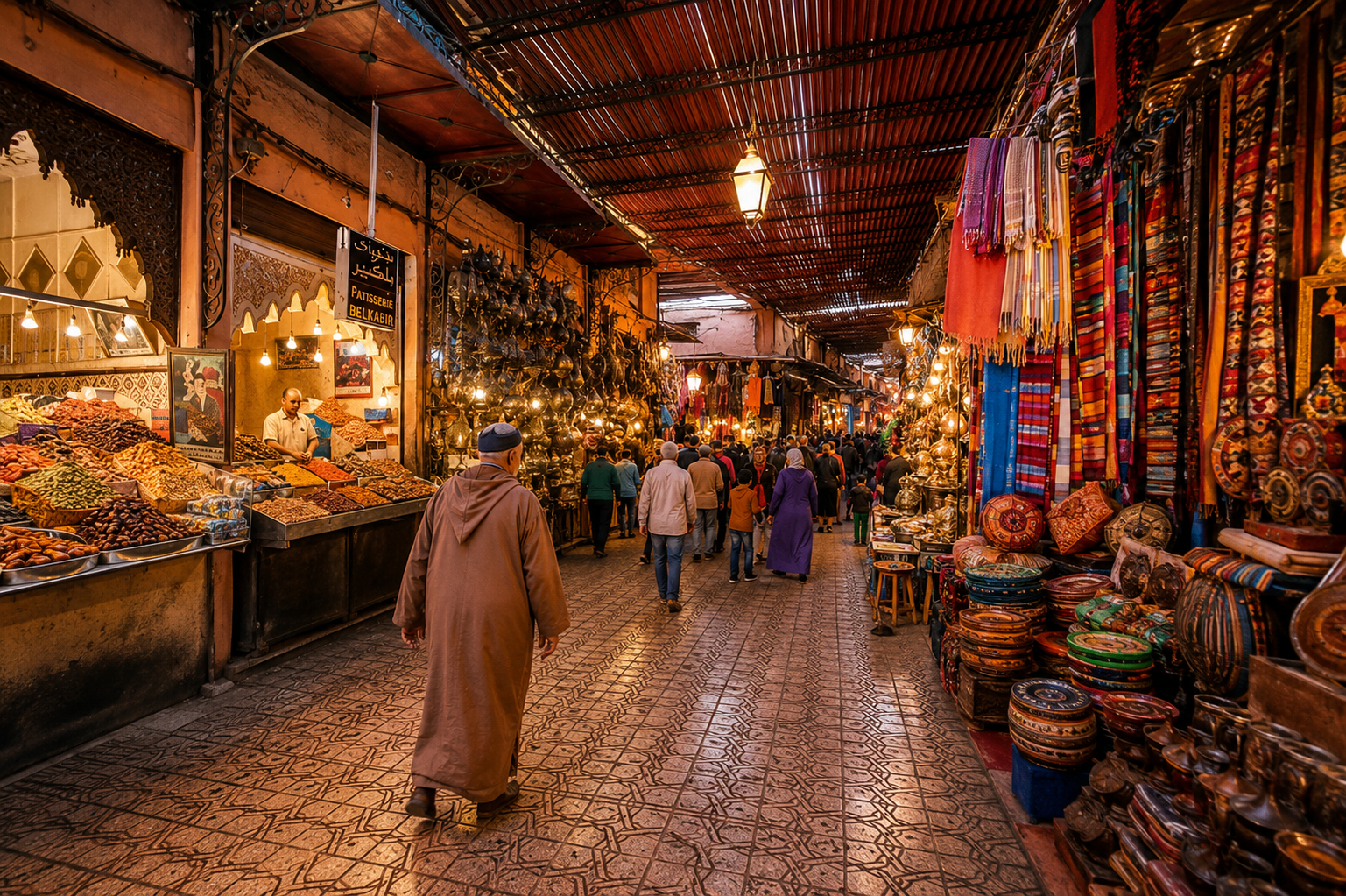
Stepping into Souk Semmarine feels like entering another era. Located inside Marrakech’s centuries-old medina, this famous marketplace is a network of narrow alleyways lined with shops selling handcrafted leather goods, lanterns, colorful ceramics, rugs, spices, perfumes and traditional clothing.
The sounds of artisans hammering brass, the fragrance of saffron and cinnamon and the vibrant display of Moroccan craftsmanship create one of Africa’s most unforgettable shopping experiences.
Lot’s of workshops have been operating here for generations, preserving techniques that have changed very little over the centuries. Visitors are encouraged to bargain politely, as negotiation remains an important part of the shopping culture.
Best time to visit: Early morning or late afternoon when temperatures are cooler.
3. Kurmi Market (Kano, Nigeria)
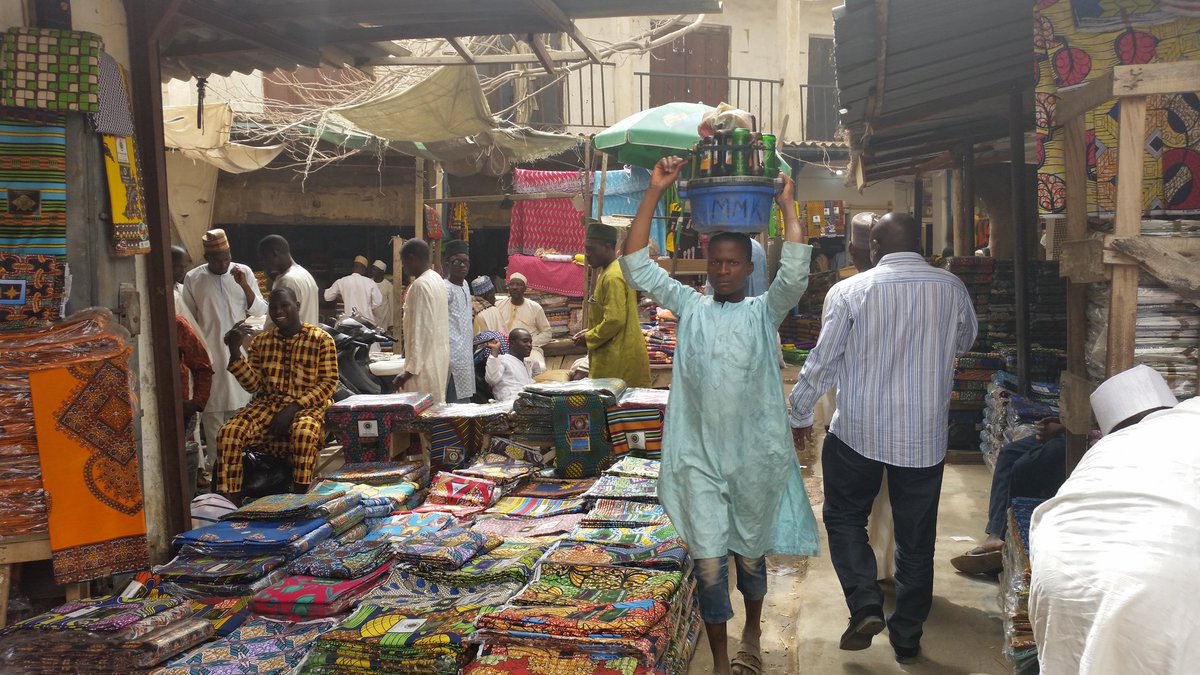
Founded in the 15th century during the reign of Emir Muhammad Rumfa, Kurmi Market is one of Nigeria’s oldest surviving traditional markets.
For centuries, it served as a major trading center connecting West Africa with trans Saharan caravan routes. Traders exchanged leather goods, textiles, spices, grains, livestock and handcrafted products long before modern transportation transformed regional commerce.
Today, visitors can still explore sections dedicated to traditional leatherwork, handcrafted footwear, woven fabrics, local herbs and colorful embroidery. The market remains one of the best places to experience Kano’s rich commercial history.
Local tip: Kano’s famous handmade leather bags and sandals make excellent souvenirs.
4. Dantokpa Market (Cotonou, Benin)
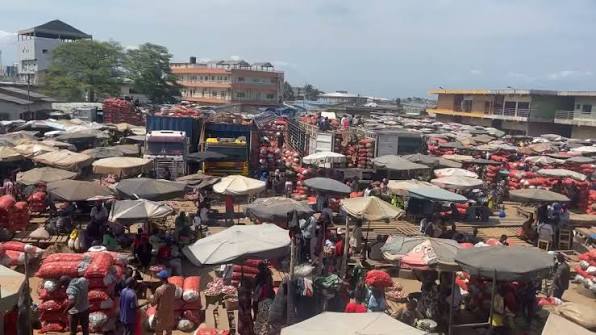
Spread across several hectares in the heart of Cotonou, Dantokpa Market is the largest market in Benin and one of the busiest in West Africa. Thousands of traders sell everything from seafood and fresh produce to traditional fabrics, household goods, handcrafted jewelry and herbal remedies.
One of the market’s most fascinating sections focuses on traditional medicinal products, reflecting Benin’s long history of indigenous healing practices. Because of its size, first-time visitors often benefit from exploring with a local guide.
5. Maasai Market (Nairobi, Kenya)
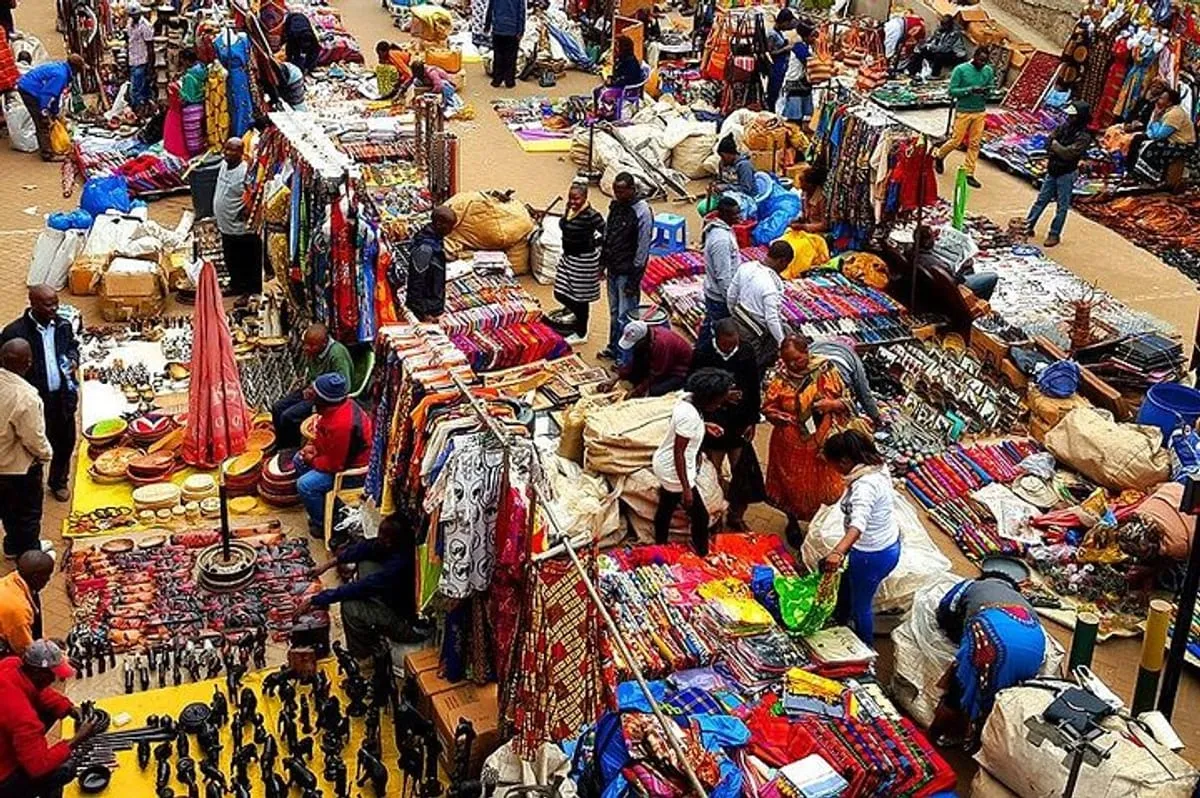
Unlike permanent markets, the Maasai Market moves between different locations in Nairobi on specific days of the week. It has become one of East Africa’s best places to purchase authentic handmade crafts directly from local artisans.
Visitors and tourists can browse colorful Maasai beadwork, handmade sandals, paintings, sculptures, woven baskets, jewelry and decorative fabrics.
Buying directly from craftspeople helps support local communities while providing travelers with unique souvenirs that reflect Kenya’s cultural heritage.
6. Onitsha Main Market (Onitsha, Nigeria)
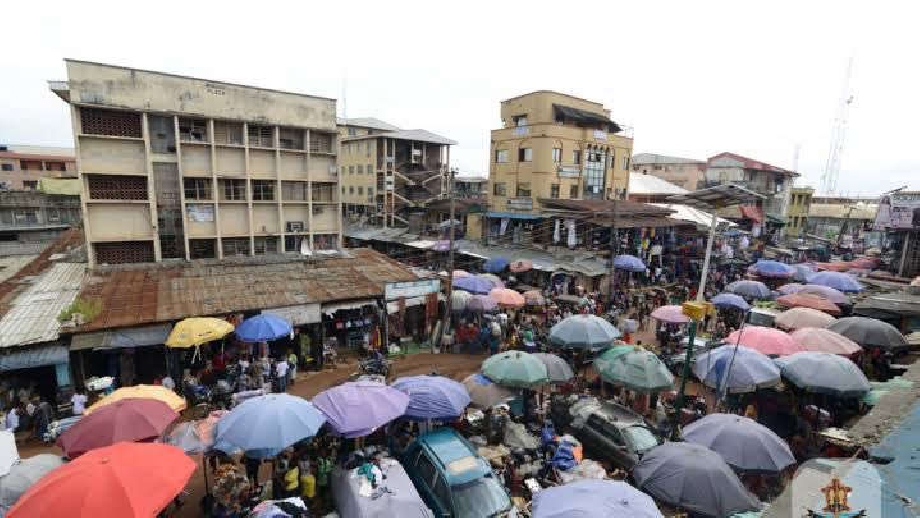
Situated on the eastern bank of the River Niger, Onitsha Main Market is one of Africa’s largest commercial markets by trading volume. Although numerous visitors associate it with wholesale commerce, the market also offers fascinating opportunities to experience southeastern Nigeria’s vibrant trading culture.
Entire sections specialize in textiles, books, food products, household goods, traditional attire, cosmetics and local crafts. The energy of the market is remarkable, with thousands of buyers and sellers conducting business throughout the day.
For travelers interested in Nigerian commerce and entrepreneurship, few places offer a better experience.
7. Arusha Central Market (Arusha, Tanzania)
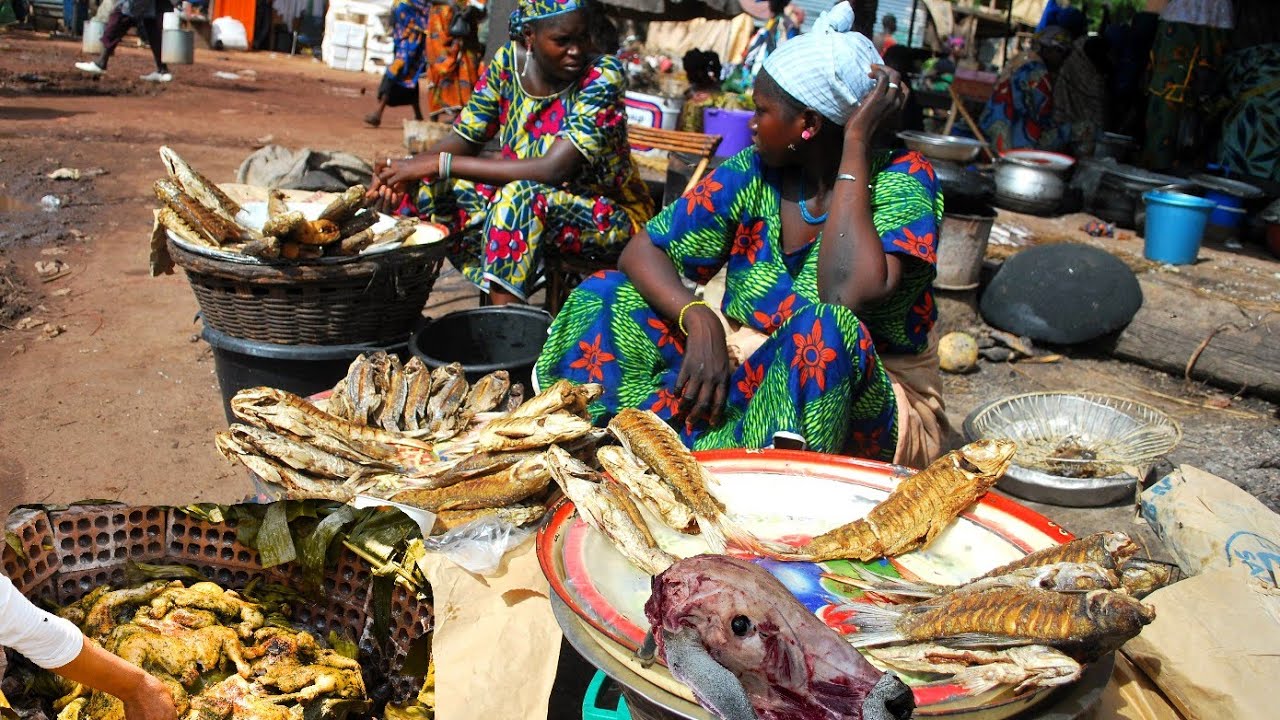
Located near the gateway to Tanzania’s famous safari destinations, Arusha Central Market provides a colorful introduction to local life before or after visiting nearby national parks. Fresh tropical fruits, aromatic coffee beans, spices, handcrafted baskets, carved sculptures and vibrant fabrics fill the market with color and activity.
Many visitors stop here to purchase Tanzanian coffee, one of the country’s well known exports, along with locally produced spices and handmade gifts.
Unlike some heavily tourist-oriented markets, Arusha Central Market retains a strong local character.
8. Mbare Musika Market (Harare, Zimbabwe)
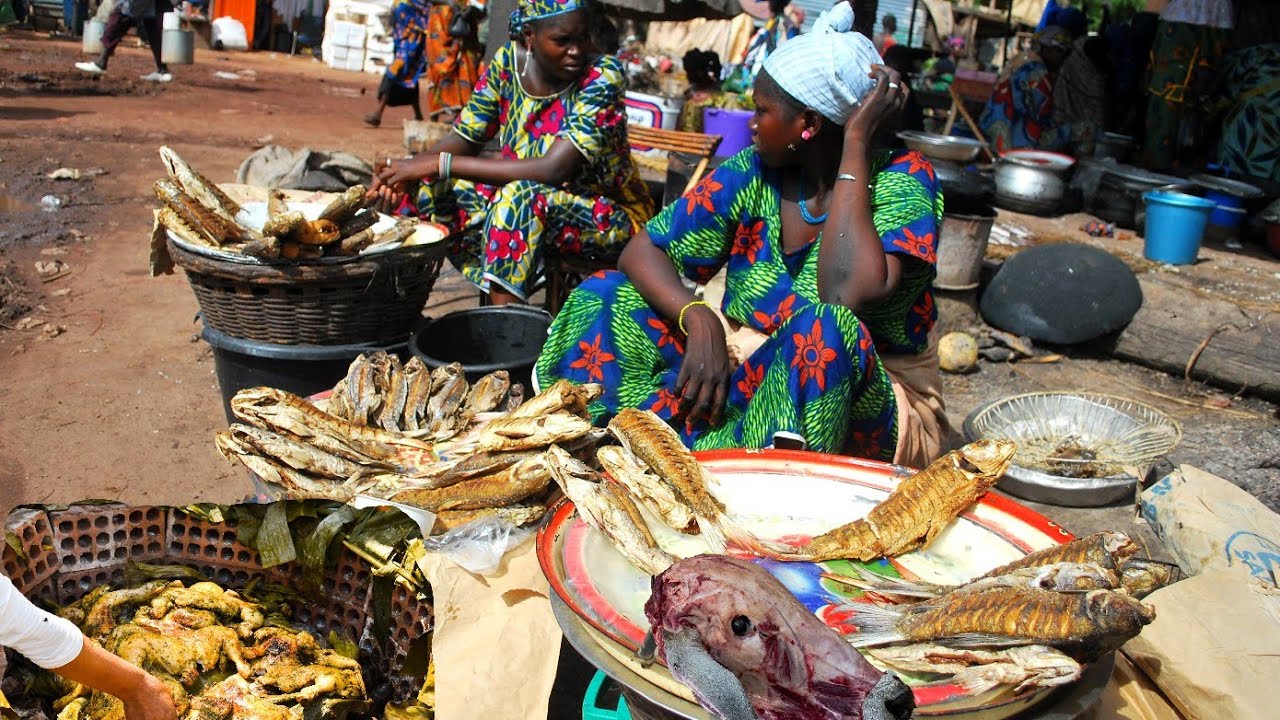
No visit to Harare is complete without experiencing Mbare Musika, Zimbabwe’s largest traditional market. This lively marketplace serves as a major distribution center for fresh produce arriving daily from farming communities across the country.
Alongside fruits and vegetables, visitors can explore sections selling woven baskets, handmade furniture, traditional clothing, flowers and local crafts. The market offers photographers and cultural travelers an authentic glimpse into everyday Zimbabwean life.
9. Mercado do Xipamanine (Maputo, Mozambique)

If you want to experience the rhythm of everyday life in Mozambique, Mercado do Xipamanine is an excellent place to begin.
One of Maputo’s oldest and busiest markets, it is famous for its colorful mix of fresh produce, seafood, spices, clothing, woven baskets, handmade crafts, and household goods. Walking through its lively aisles, you’ll hear a blend of Portuguese and local languages while vendors proudly display products sourced from across the country.
The seafood section is particularly popular, reflecting Mozambique’s long coastline and rich fishing tradition.
Don’t miss: Cashew nuts, locally woven baskets, and traditional capulana fabrics.
10. Grand Marché (Lomé, Togo)
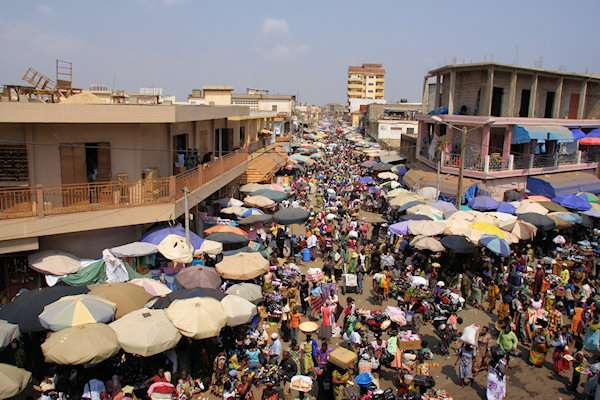
Standing in the heart of Lomé, the Grand Marché has served as an important commercial hub for generations. Its multilevel structure and surrounding streets are packed with traders selling colorful wax prints, handcrafted jewelry, pottery, traditional clothing, leather goods and local spices.
Visitors interested in West African fashion will find no shortage of beautifully designed fabrics and accessories. The market also offers a glimpse into the entrepreneurial spirit of Togo, where many family businesses have operated for decades.
11. Souq Arabi (Khartoum, Sudan)
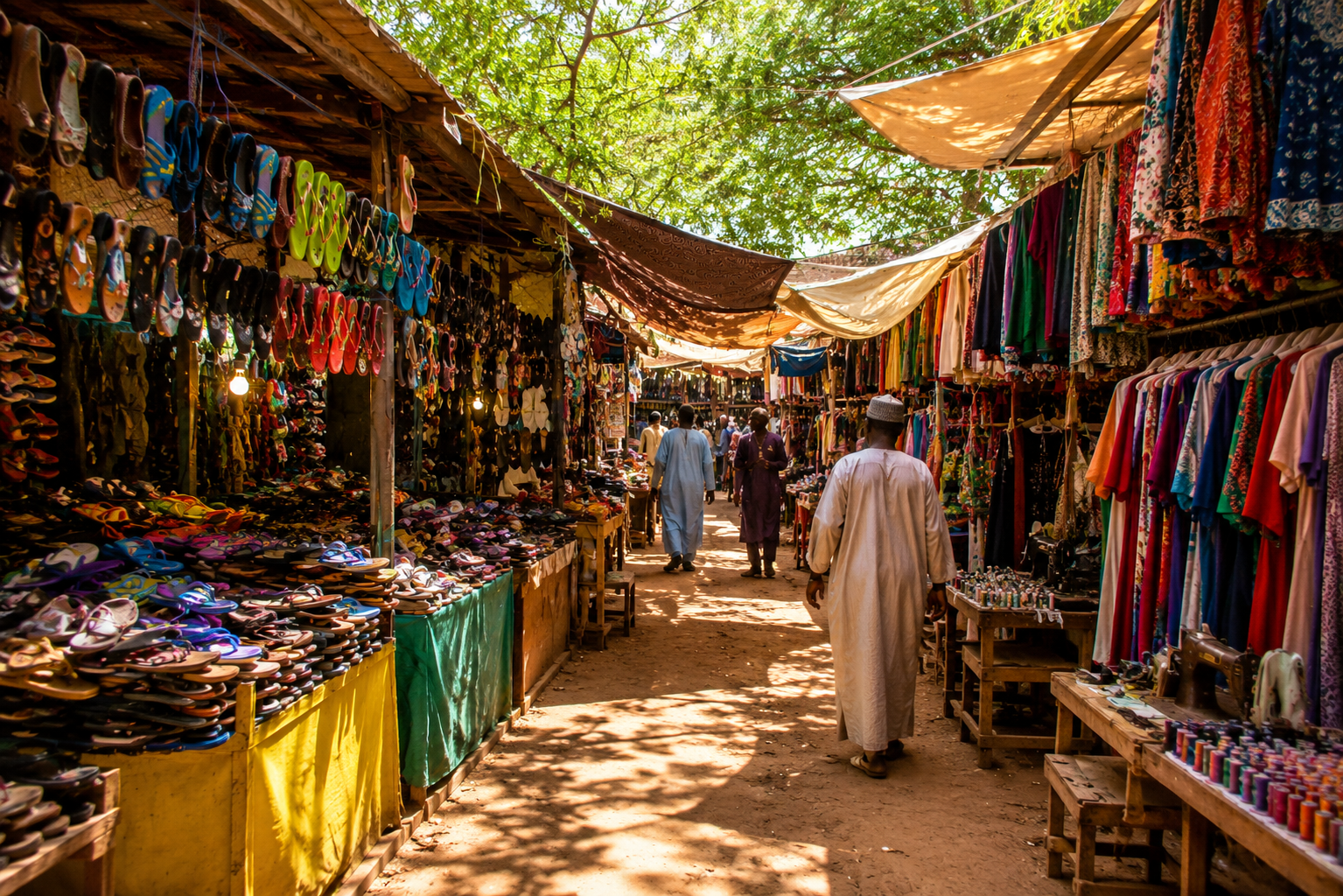
For generations, Souq Arabi has been one of Sudan’s bestknown traditional trading centers. Although current conditions should always be checked before planning a visit, the market has historically been a gathering place where merchants sold spices, gold jewelry, leather goods, perfumes, textiles and handcrafted products from different parts of Sudan.
Its importance reflects Khartoum’s long-standing role as a meeting point for traders traveling across northeastern Africa.
12. Kisutu Market (Dar es Salaam, Tanzania)
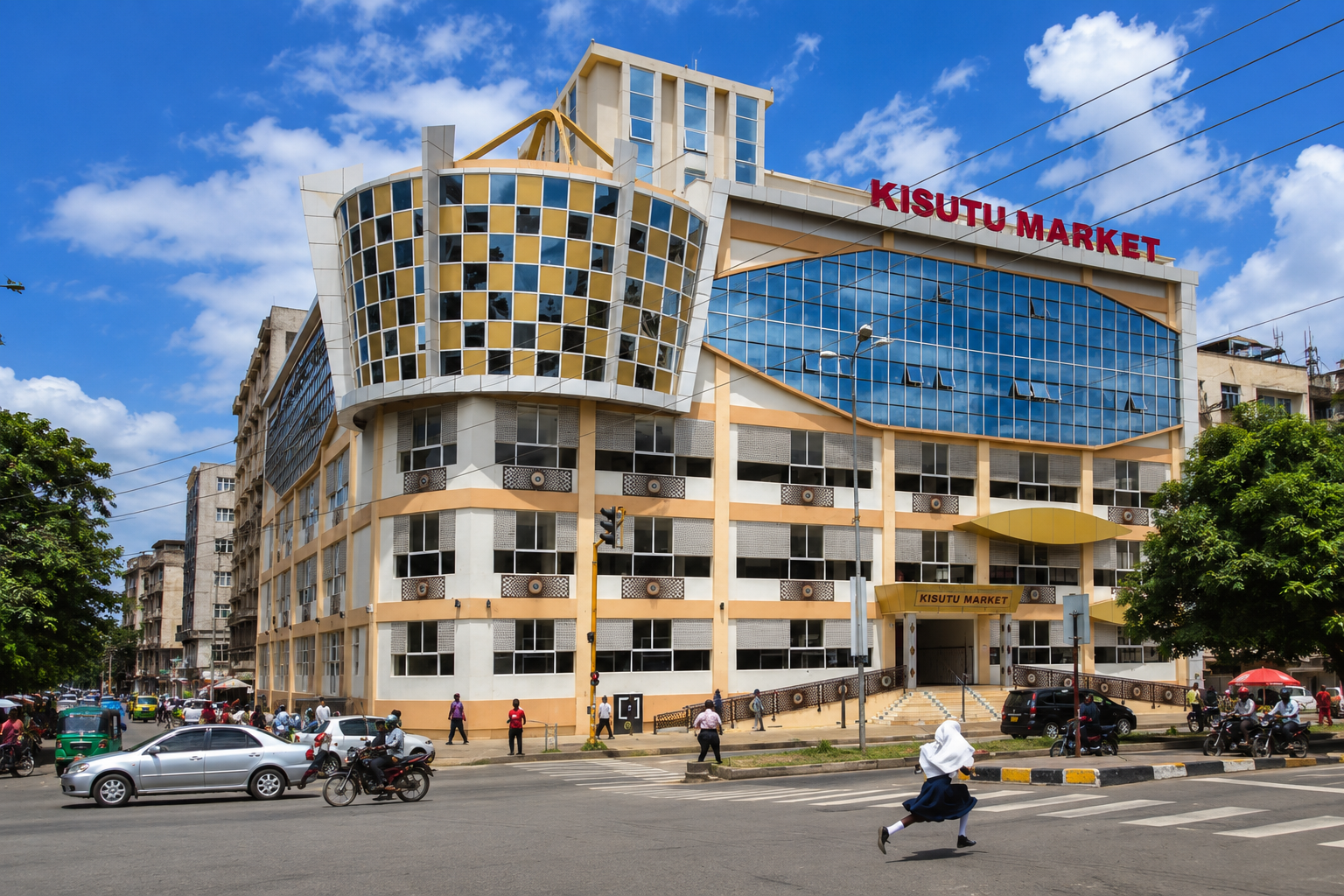
Located in Tanzania’s largest city, Kisutu Market offers an authentic shopping experience away from many tourist-focused stores. Fresh fruits, vegetables, seafood, spices, traditional fabrics and locally made handicrafts fill the market with colour and activity.
Friendly conversations between traders and customers create an inviting atmosphere for visitors who want to experience everyday life in Dar es Salaam. Sampling seasonal tropical fruits here is highly recommended.
13. Central Market (Tunis, Tunisia)
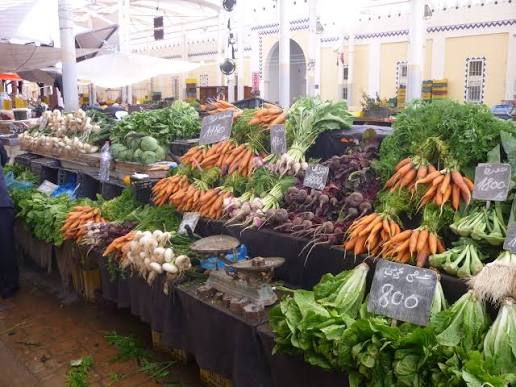
Opened in the late 19th century, Tunis Central Market combines beautiful architecture with one of North Africa’s finest food markets.
Inside, visitors discover stalls overflowing with olives, dates, seafood, cheeses, pastries, herbs, and fragrant spices. The market also reflects Tunisia’s blend of Arab, Mediterranean and French influences, making it a fascinating stop for food lovers.
Several chefs visit the market daily to source fresh ingredients, adding to its lively atmosphere.
14. Port Louis Central Market (Mauritius)
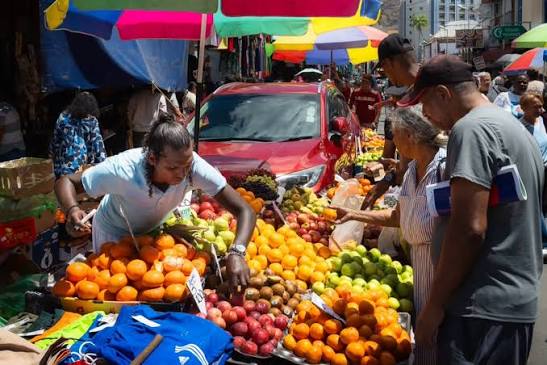
Mauritius may be famous for its beaches, but its capital city also boasts one of the Indian Ocean’s most vibrant traditional markets. Port Louis Central Market is known for tropical fruits, vanilla, spices, handcrafted souvenirs, woven hats, herbal teas and locally made products.
Visitors can also sample popular Mauritian street foods while exploring the colorful stalls. The market provides an excellent introduction to the island’s multicultural heritage.
15. Mokolo Market (Yaoundé, Cameroon)

Mokolo Market is one of Cameroon’s busiest commercial centers and a favorite destination for both residents and visitors. Its countless stalls sell everything from traditional clothing and handmade furniture to spices, fresh produce, musical instruments and locally crafted artwork.
The market’s energetic atmosphere gives travelers an authentic look at daily life in Yaoundé.
16. Medina Market (Accra, Ghana)
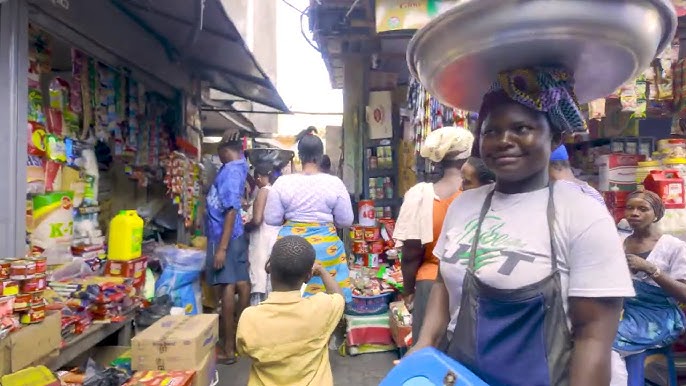
Located outside central Accra, Medina Market is where many residents shop for fresh food, household goods, textiles and traditional ingredients.
Unlike markets designed mainly for tourists, Medina offers a genuine local experience. Walking through its busy lanes provides insight into Ghanaian food culture, shopping traditions and community life.
The market is particularly lively in the early morning. So, it’s preferable you go in the morning.
17. Marché Sandaga (Dakar, Senegal)
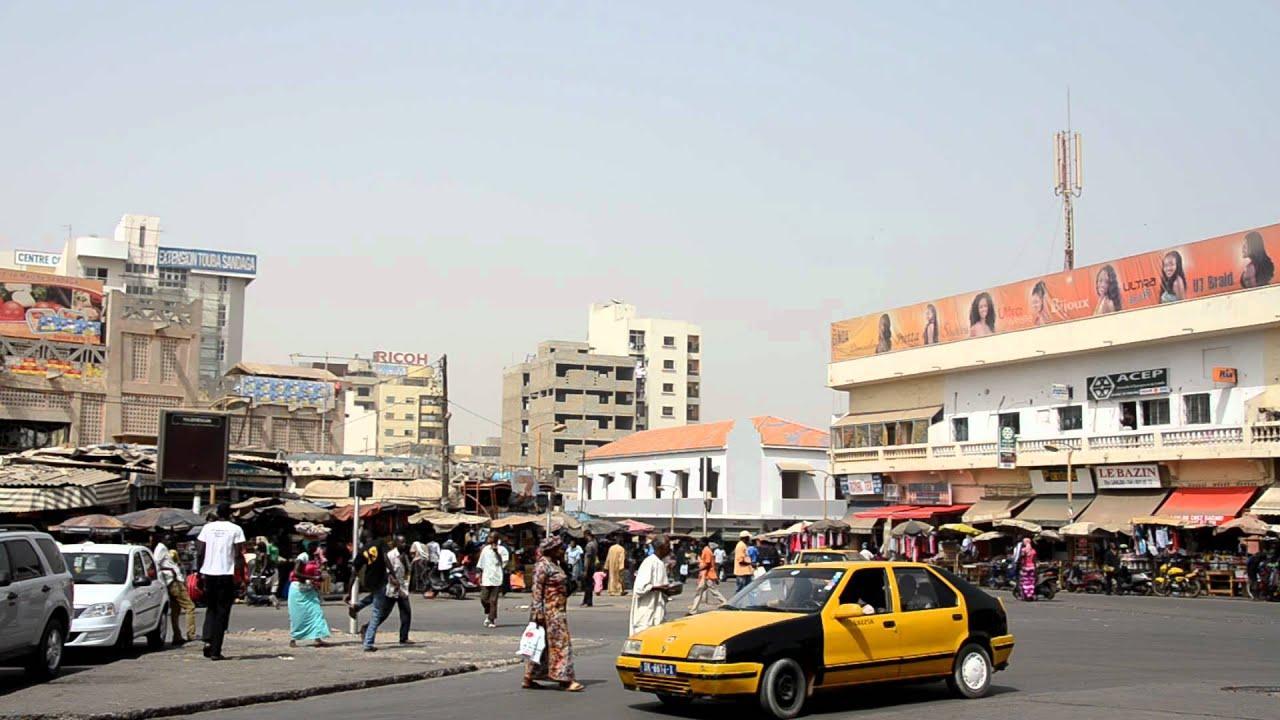
One of Dakar’s best-known landmarks, Marché Sandaga has been an important center of trade since the 1930s. The surrounding streets are filled with stalls selling colorful fabrics, handcrafted leather goods, traditional clothing, musical instruments and local artwork.
Even after restoration efforts and redevelopment in parts of the area, Sandaga remains deeply connected to Dakar’s commercial and cultural identity.
18. Craft Market (Swakopmund, Namibia)
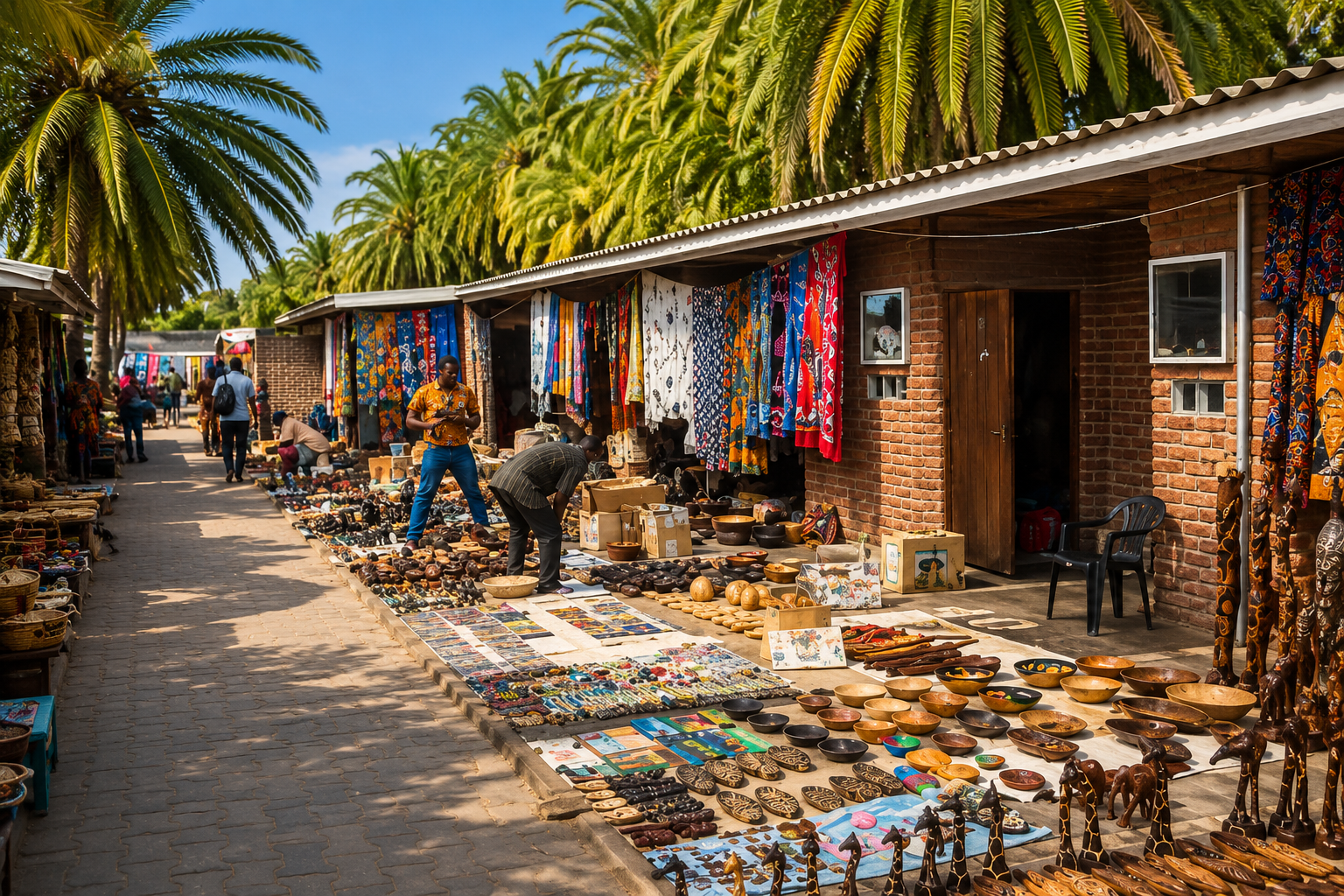
Just a short walk from Swakopmund’s town center, this open-air craft market showcases the talents of artisans from Namibia and neighboring countries. Visitors or tourists can browse beautifully carved wooden sculptures, woven baskets, gemstones, paintings, jewelry and handmade textiles.
Purchasing directly from artisans supports local livelihoods while providing unique souvenirs with genuine cultural value.
19. Ezulwini Craft Market (Eswatini)
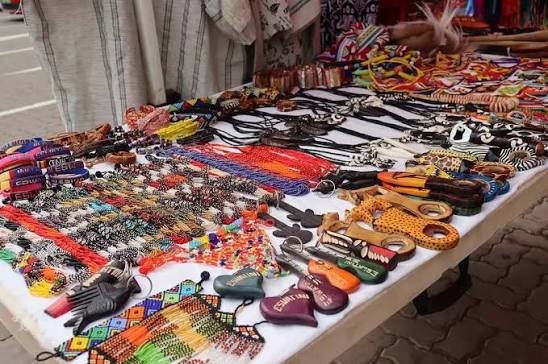
Nestled in the Ezulwini Valley, this market is one of Eswatini’s best places to discover traditional craftsmanship. Handwoven baskets, glass art, wood carvings, candles, jewelry and textiles fill the stalls, with many items made by local artisans using skills passed down through generations.
It’s an ideal stop for travelers seeking authentic, locally produced gifts.
20. Otavalo Artisan Market (Ecuador)
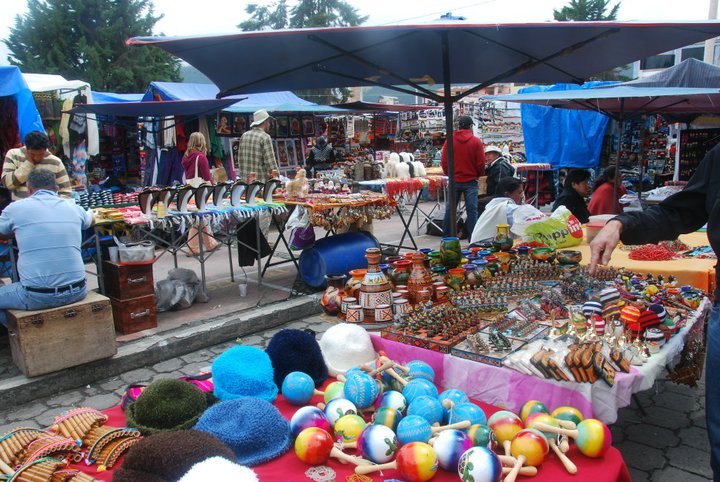
Although outside Africa and therefore not suitable for this article, many lists mistakenly include it because of its global reputation. Instead, a stronger African choice is the Pyramids Bazaar (Khan El Khalili) in Cairo, Egypt.
Khan El Khalili – Cairo, Egypt
Established in the 14th century, Khan El Khalili is one of Africa’s oldest and most famous traditional markets.
Its narrow lanes are lined with shops selling handcrafted lanterns, silver jewelry, papyrus artwork, perfumes, spices, leather goods, and decorative items. Beyond shopping, the bazaar offers a chance to admire historic Islamic architecture and relax in traditional cafés that have welcomed travelers for centuries.
No visit to Cairo feels complete without wandering through this legendary marketplace.
How to Make the Most of Your Market Visit
Traditional markets are best explored without rushing. Take time to wander through different sections, observe local life and chat respectfully with traders. A lot of vendors are happy to explain how products are made or share the stories behind items that have been sold in their families for generations
Bargaining is common in many African markets, but it should always be done politely and with respect. A friendly conversation often leads to a better experience than focusing only on the price.
Whenever possible, buy directly from local artisans. Handmade baskets, woven textiles, wood carvings, pottery and beadwork not only make meaningful souvenirs but also help support local communities and preserve traditional craftsmanship.
If you enjoy photography, always ask permission before taking close-up pictures of people or their stalls. While many traders are welcoming, others may prefer not to be photographed.
More Than Places to Shop
Every traditional market tells a story. Some began as caravan trading posts centuries ago, while others grew alongside rivers, ports, or ancient kingdoms. They have survived political change, economic shifts, and modernization because they continue to serve as the heartbeat of their communities.
For travelers, these markets offer something that shopping malls cannot, an authentic connection with local culture. The conversations, aromas, music, craftsmanship and everyday interactions reveal a side of Africa that guidebooks alone can never fully capture.
Conclusion – Why You Should Visit
From the bustling walkways of Kejetia Market in Ghana and the centuries-old lanes of Khan El Khalili in Egypt to the historic Kurmi Market in Nigeria and the colorful Maasai Market in Kenya, Africa’s traditional markets are among the continent’s most rewarding travel experiences.
They are places where history, commerce, culture, and community meet. Whether you’re searching for handcrafted souvenirs, tasting local delicacies, or simply enjoying the lively atmosphere, each market offers a unique window into the traditions that continue to shape African life today.
Thank you for reading. Visit Pathcresta for more travel guides, tourism news, destination reviews and travel tips from Nigeria, Africa and around the world.

Mr Derek is the founder and editor of Pathcresta. He specializes in travel, tourism, and destination content, producing accurate, informative and practical guides that help readers explore attractions, plan trips and discover unique experiences across Nigeria and around the world.