
Historic Seaports Across Africa Every Traveler Should Visit
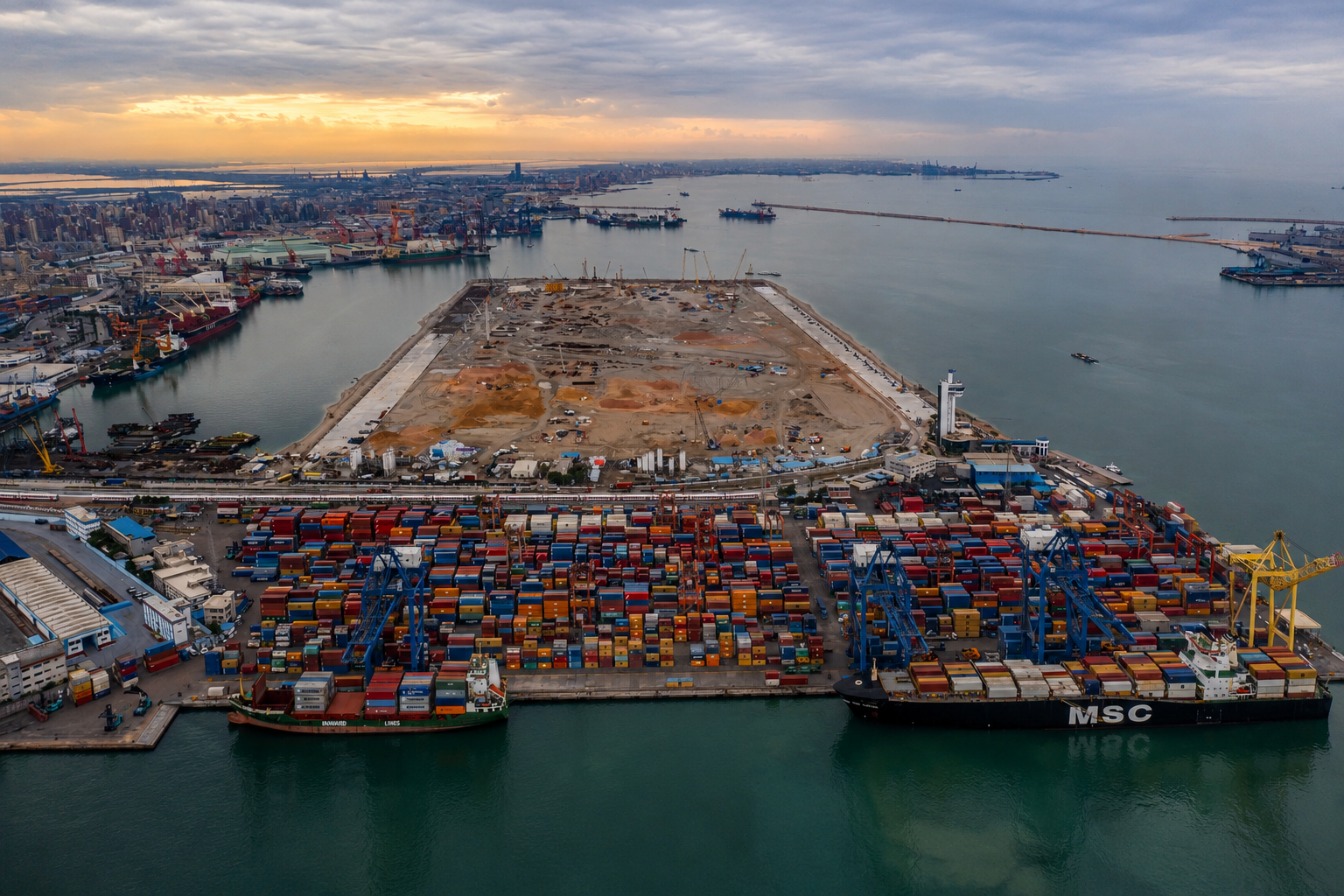
Long before modern highways and international airports connected African cities, the continent’s seaports served as the gateways to kingdoms, empires and civilizations. Merchant ships carrying gold, ivory, spices, textiles, salt, ceramics and other valuable goods crossed the Mediterranean, Atlantic, Indian Ocean and Red Sea, transforming coastal settlements into thriving centres of commerce and culture.
Today, lot’s of these historic ports continue to welcome ships while preserving ceU wan nturies of history. Around them, visitors will find ancient fortresses, colonial buildings, bustling markets, museums, lighthouses and UNESCO World Heritage Sites that tell stories of exploration, trade, cultural exchange and resilience.
Whether you’re fascinated by maritime history or simply looking for unique coastal destinations, these are Historic Seaports Across Africa Every Traveler Should Visit.
1. Alexandria Port, Egypt
Few ports in the world possess a history as remarkable as Alexandria Port. Founded in 331 BC by Alexander the Great, the city quickly became one of the Mediterranean’s most important trading centres.
Ancient merchants from Greece, Rome, Persia and North Africa passed through its harbour, exchanging grain, papyrus, wine, olive oil and luxury goods. Although the famous Lighthouse of Alexandria, one of the Seven Wonders of the Ancient World, no longer stands, the city’s waterfront remains rich in historical significance.
Visitors can explore the Bibliotheca Alexandrina, the Citadel of Qaitbay (built near the site of the ancient lighthouse), museums and the scenic Corniche overlooking the Mediterranean.
Best time to visit: October to April.
2. Port of Mombasa, Kenya
The Port of Mombasa has connected East Africa with the Middle East, India, and Asia for more than a thousand years. As one of Africa’s oldest continuously operating seaports, it played a major role in the Indian Ocean trade network long before European explorers arrived.
Walking through Old Town Mombasa, visitors encounter narrow streets, carved wooden doors, coral stone buildings and Swahili architecture reflecting centuries of cultural exchange.
Nearby Fort Jesus, built by the Portuguese in the late 16th century and now a UNESCO World Heritage Site, provides deeper insight into the region’s maritime history.
3. Stone Town Port, Zanzibar, Tanzania
The harbour of Stone Town welcomed traders from Arabia, Persia, India and mainland Africa for centuries. Today, traditional wooden dhows still sail alongside modern vessels, preserving part of the city’s historic character.
Stone Town itself is a UNESCO World Heritage Site known for its winding alleys, carved doors, bustling markets, spice trade and multicultural heritage.
Visitors and tourists can explore the Old Fort, the House of Wonders, the former slave market and the waterfront while learning about Zanzibar’s complex trading history.
4. Elmina Harbour, Ghana
Established during the Portuguese era, Elmina became one of West Africa’s earliest European trading centres. Its harbour supported commerce in gold before becoming deeply connected to the trans Atlantic slave trade.
Today, colourful fishing boats fill the harbour while Elmina Castle, a UNESCO World Heritage Site, stands as an important place of remembrance and education.
The nearby fishing community also offers visitors an authentic glimpse into everyday coastal life.
5. Cape Coast Harbour, Ghana
Just east of Elmina lies another historically significant port. Cape Coast served as a major centre of commerce for Portuguese, Swedish, Dutch, Danish and British traders over several centuries.
Its imposing Cape Coast Castle, also recognised by UNESCO, attracts visitors interested in understanding both African history and the legacy of the trans Atlantic slave trade.
Beyond its historical importance, the town offers beautiful Atlantic Ocean views and lively fishing activities.
6. Apapa Port, Lagos, Nigeria
Nigeria’s busiest seaport, Apapa Port, has played an important role in the country’s economic development since the early twentieth century. Although primarily a commercial port today, the surrounding area reflects Lagos’ transformation into one of Africa’s largest cities.
Visitors can combine a visit to the waterfront with nearby attractions such as the National Museum Lagos, Freedom Park, Marina and historic districts on Lagos Island.
7. Port Harcourt Port, Nigeria
Located along the Bonny River, Port Harcourt Port has supported trade in Nigeria’s Niger Delta for over a century. Originally developed during the colonial period to facilitate the export of coal from Enugu, the port later became an important centre for petroleum related commerce.
Visitors can also explore nearby riverside communities, cultural centres and waterfront restaurants that showcase the hospitality of Rivers State.
8. Port of Dakar, Senegal
The natural harbour at Dakar has served sailors for centuries due to its strategic location on Africa’s westernmost coastline. Today, the city combines its maritime heritage with vibrant culture, music, art and cuisine.
Nearby attractions include Gorée Island, another UNESCO World Heritage Site whose history reflects both international trade and the trans Atlantic slave trade.
The port remains one of West Africa’s busiest while preserving its historical significance.
9. Port Louis Harbour, Mauritius
Located in the capital of Mauritius, Port Louis Harbour has welcomed traders from Europe, Asia and Africa since the eighteenth century.
The surrounding waterfront blends colonial architecture with modern attractions, including museums, markets, restaurants and cultural centres.
The nearby Central Market remains one of the island’s most popular places to experience local food and handicrafts.
10. Port of Luanda, Angola
The Port of Luanda has served as Angola’s principal maritime gateway since Portuguese colonial times. Its waterfront reflects centuries of commercial activity while modern redevelopment has introduced new promenades, cultural venues and recreational spaces.
Visitors or tourists can also explore the Fortaleza de São Miguel, which overlooks the city and offers panoramic views of Luanda Bay.
11. Port of Beira, Mozambique
Situated near the mouth of the Pungwe River, the Port of Beira has connected central Africa to the Indian Ocean for generations. The city is known for its historic railway links, colonial era architecture and palm lined coastline.
Although it remains an active commercial port, visitors can also enjoy nearby beaches and local seafood restaurants.
12. Port of Casablanca, Morocco
Casablanca’s harbour helped transform the city into Morocco’s largest commercial centre. While much of the port is modern, the surrounding city offers numerous attractions, including the magnificent Hassan II Mosque, traditional markets, Art Deco architecture and scenic oceanfront promenades.
Its blend of history and contemporary development makes Casablanca one of North Africa’s most fascinating coastal cities.
13. Port of Djibouti
Located near the entrance to the Red Sea, the Port of Djibouti occupies one of the world’s most strategically important maritime locations. For centuries, traders travelling between Africa, Arabia and Asia passed through these waters.
Today, visitors can combine maritime history with excursions to nearby natural attractions such as Lake Assal, Lake Abbe and the Gulf of Tadjoura.
14. Port of Walvis Bay, Namibia
Unlike a lot of historic ports shaped by ancient kingdoms, Walvis Bay developed around one of southern Africa’s finest natural harbours. Today it is famous for flamingos, dolphins, seals, pelicans and scenic lagoon cruises.
Its waterfront combines maritime history with spectacular natural landscapes, making it one of Namibia’s most rewarding coastal destinations.
15. Port of Bizerte, Tunisia
Situated on Tunisia’s northern coast, Bizerte boasts one of the Mediterranean’s oldest ports. Its charming old harbour features whitewashed buildings, colourful fishing boats and narrow streets that reflect centuries of Phoenician, Roman, Arab and Ottoman influence.
Visitors often spend hours exploring the old medina before relaxing at cafés overlooking the harbour.
Why Historic Seaports Matter
Africa’s historic seaports are more than transportation hubs. They served as gateways for trade, migration, diplomacy, religion, architecture, language and cultural exchange that shaped entire civilizations.
Several also preserve difficult chapters of history, particularly those connected to the trans Atlantic slave trade. Visiting these sites offers opportunities to learn, reflect and appreciate both the achievements and challenges that have influenced the continent’s development.
Travel Tips
To make the most of your visit:
- Visit waterfronts early in the morning for cooler temperatures and excellent photography.
- Hire local guides at historic sites to gain deeper historical insights.
- Respect photography rules around ports and security installations.
- Explore nearby museums, markets and old towns to understand the port’s historical context.
- Sample local seafood dishes, which often reflect centuries of maritime tradition.
In Summary
From the legendary harbour of Alexandria and the Swahili coast of Mombasa to the historic waterfronts of Stone Town, Elmina, Cape Coast and Port Louis, Africa’s seaports tell stories that stretch back hundreds and in some cases, thousands of years
These coastal gateways were not merely places where ships anchored. They were centres of innovation, commerce, cultural exchange and historical transformation. Exploring them today allows travelers to experience a side of Africa where ancient history meets vibrant modern life, making each visit both educational and unforgettable.
Thank you for reading. Always visit Pathcresta for more travel guides, tourism news, destination reviews and travel tips from Nigeria, Africa and around the world.

Mr Derek is the founder and editor of Pathcresta. He specializes in travel, tourism, and destination content, producing accurate, informative and practical guides that help readers explore attractions, plan trips and discover unique experiences across Nigeria and around the world.


