
20 of Africa’s Most Beautiful Natural Wonders You Should Visit
Africa is a continent of extraordinary natural beauty. Stretching from the Mediterranean coastline in the north to the southern tip of South Africa, it is home to towering mountains, vast deserts, tropical rainforests, crystal clear lakes, dramatic waterfalls, volcanic landscapes and incredible wildlife. These natural wonders have shaped the continent’s history, culture and tourism, attracting millions of travelers and tourists yearly.
Whether you’re an adventure seeker, wildlife enthusiast, photographer or someone who simply appreciates breathtaking scenery, Africa offers countless destinations that leave lasting impressions. A lot of these places are recognized as UNESCO World Heritage Sites, while others remain hidden gems waiting to be explored.
From the world’s largest hot desert to one of the longest rivers on Earth, Africa’s landscapes are as diverse as they are spectacular. Here are 20 of Africa’s Most Beautiful Natural Wonders that deserve a place on every traveler’s bucket list.
1. Victoria Falls (Zambia and Zimbabwe)
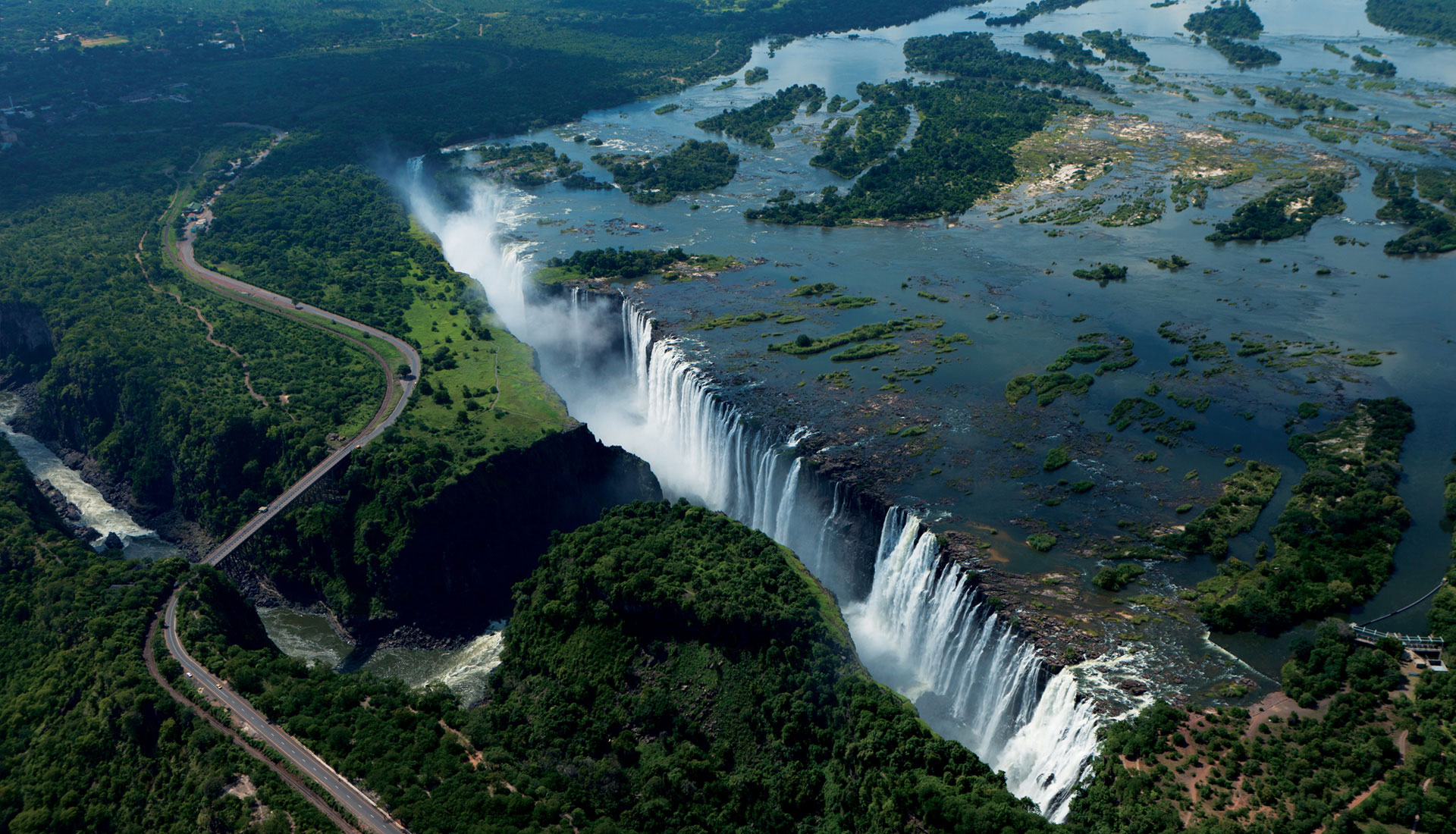
Known locally as Mosi-oa-Tunya, meaning “The Smoke That Thunders,” Victoria Falls is one of the world’s most spectacular waterfalls. The Zambezi River plunges more than 100 meters into a deep gorge, creating towering clouds of mist visible from several kilometers away.
Visitors can enjoy scenic helicopter flights, guided walking trails, river cruises, bungee jumping and unforgettable sunset views.
2. Mount Kilimanjaro (Tanzania)
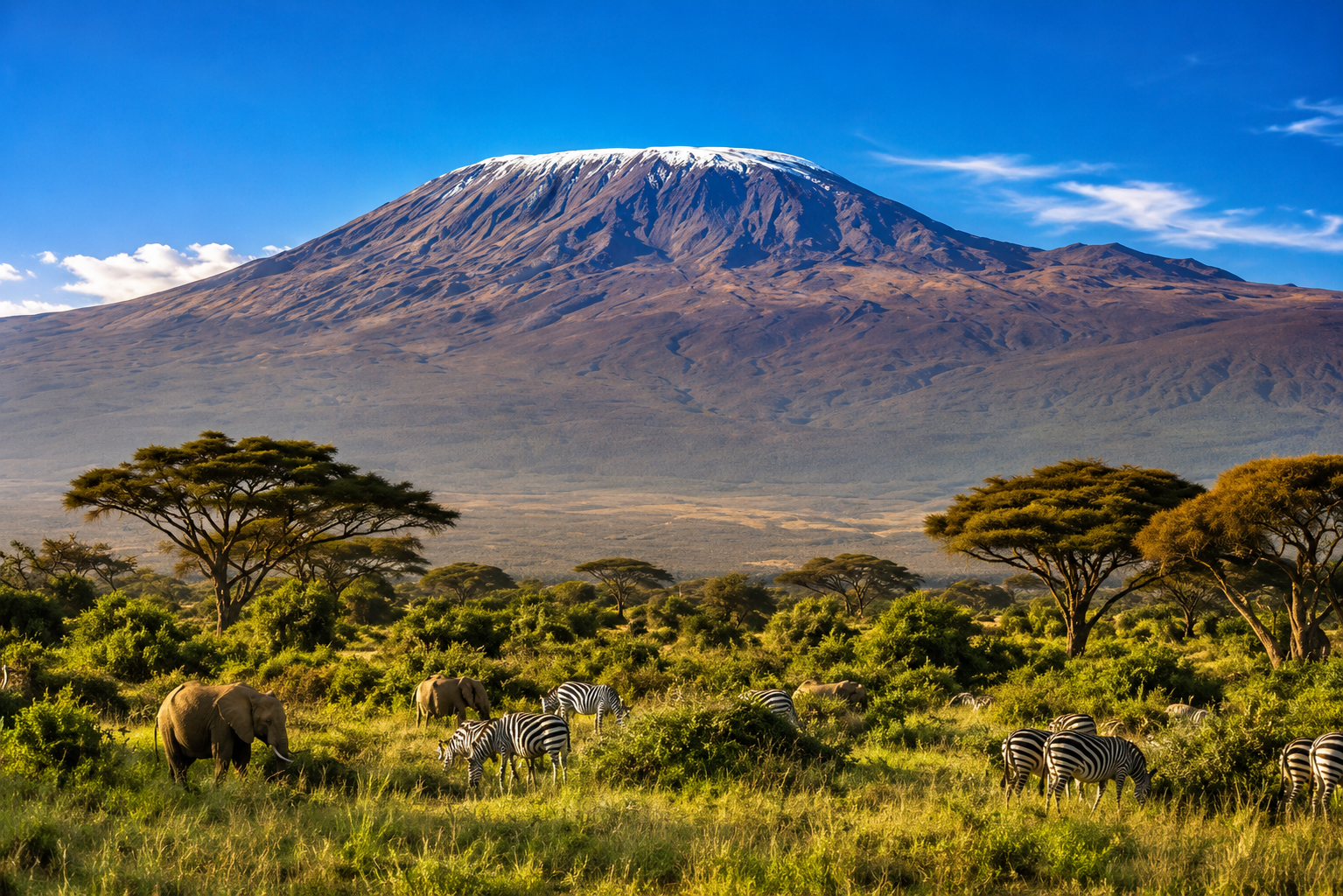
Standing at 5,895 meters above sea level, Mount Kilimanjaro is Africa’s highest mountain and one of the world’s most famous trekking destinations.
Despite being a challenging climb, it requires no technical mountaineering skills, making it accessible to many adventurous travelers. The journey passes through rainforests, alpine meadows, volcanic landscapes and glaciers before reaching Uhuru Peak.
3. Sahara Desert (North Africa)
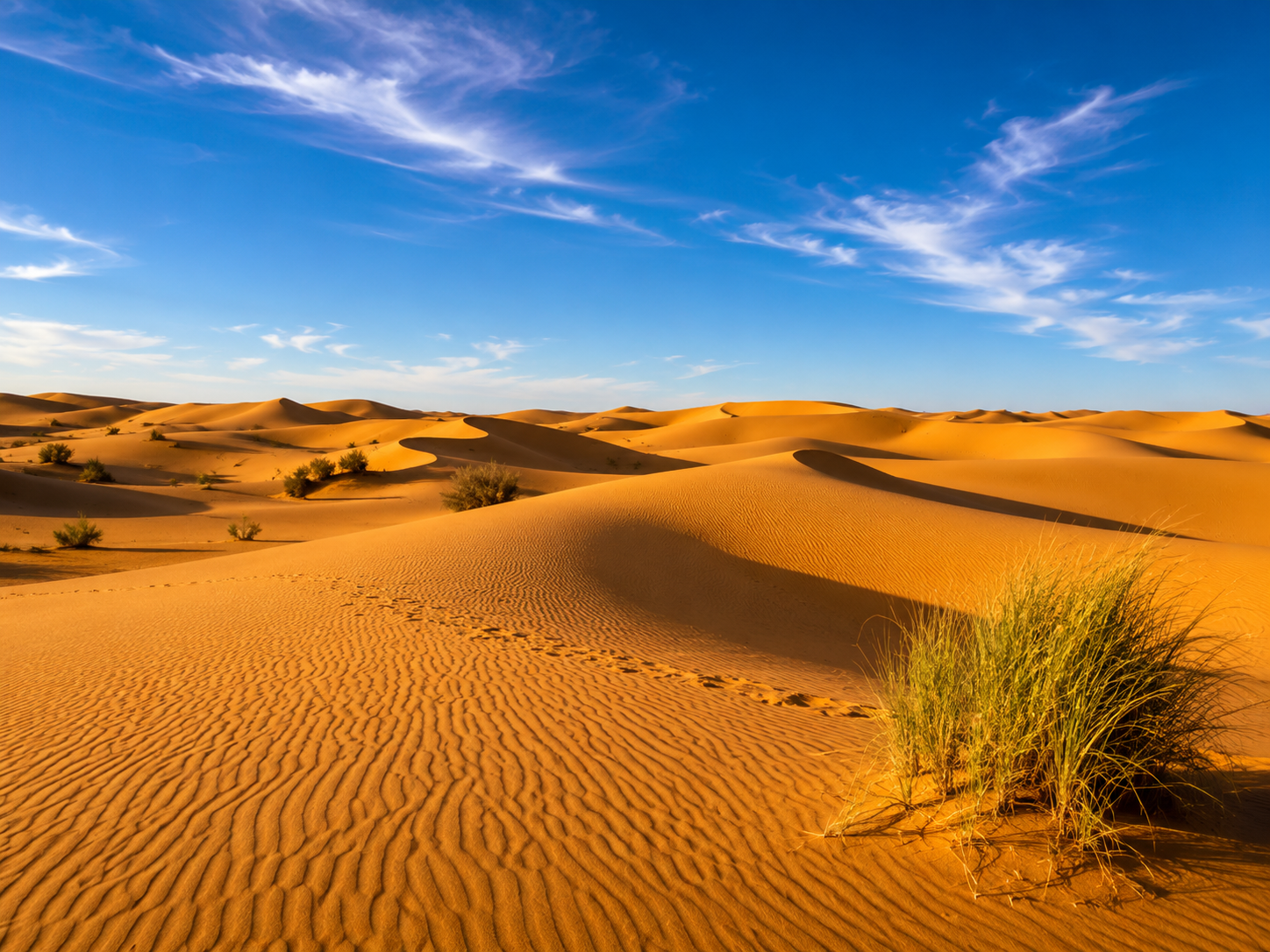
Covering approximately 9.2 million square kilometers, the Sahara is the largest hot desert on Earth. Its endless sand dunes, rocky plateaus, ancient oases and dramatic sunsets create unforgettable landscapes. Countries including Morocco, Algeria, Tunisia, Libya, Egypt, Chad, Niger, Mali and Mauritania all share parts of this remarkable desert.
Camel trekking and overnight stays in desert camps are among the most popular experiences.
4. Okavango Delta (Botswana)
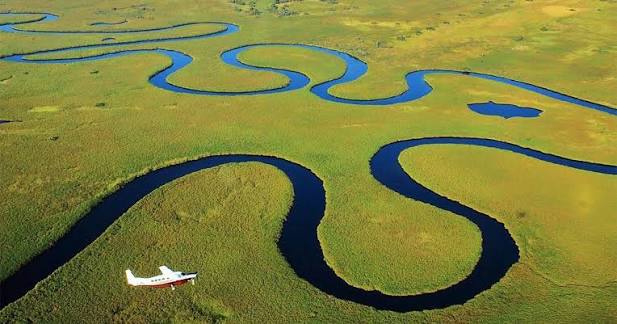
Unlike most river deltas that flow into the sea, the Okavango Delta spreads across the Kalahari Desert, creating one of Africa’s richest ecosystems. The seasonal floodwaters attract elephants, lions, leopards, hippos, crocodiles and hundreds of bird species.
Traditional mokoro canoe safaris provide one of the best ways to explore this UNESCO World Heritage Site.
5. Ngorongoro Crater (Tanzania)
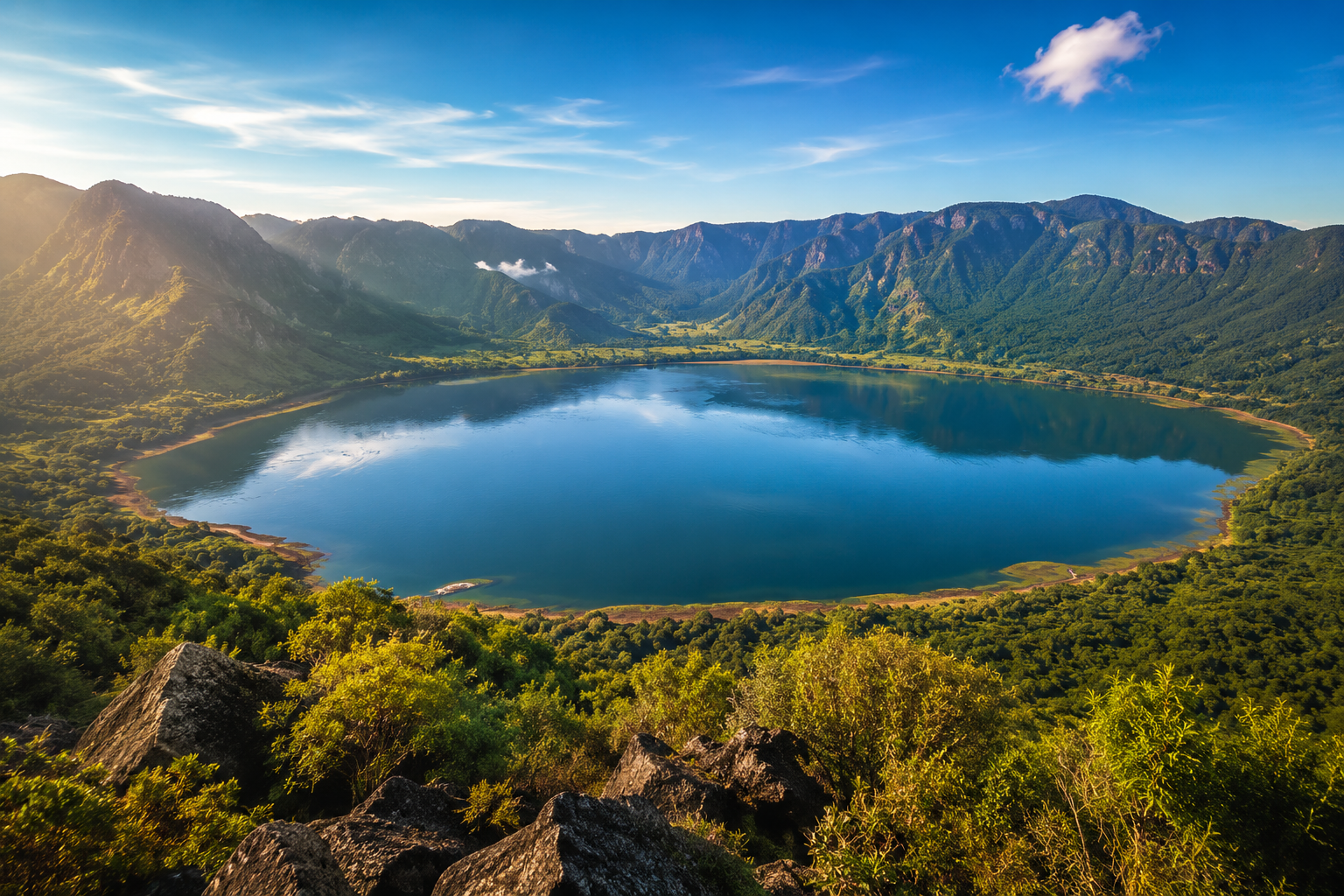
The Ngorongoro Crater is the world’s largest intact volcanic caldera. Its fertile floor supports an incredible concentration of wildlife, including lions, elephants, buffaloes, zebras, wildebeest, rhinos and flamingos.
Many visitors consider it one of Africa’s finest safari destinations.
6. Namib Desert (Namibia)
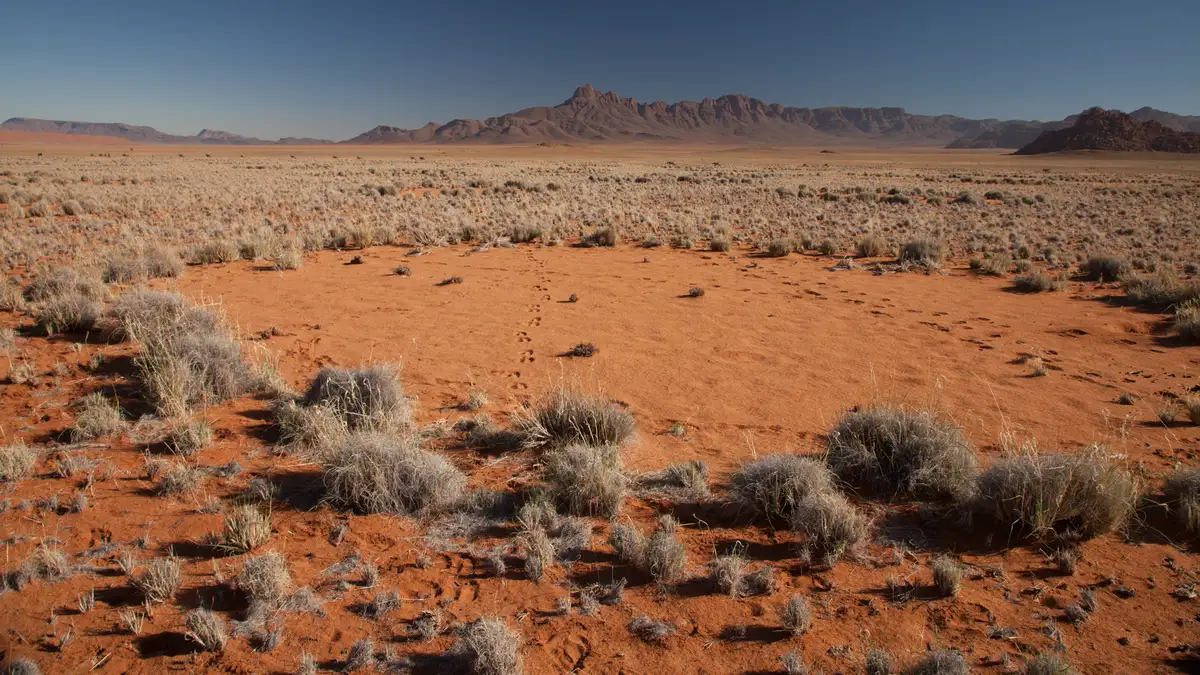
The Namib Desert is believed to be one of the oldest deserts on Earth. Its towering red sand dunes, particularly those at Sossusvlei and Deadvlei, create some of Africa’s most photographed landscapes.
Sunrise and sunset transform the dunes into spectacular shades of orange and red.
7. Table Mountain (South Africa)
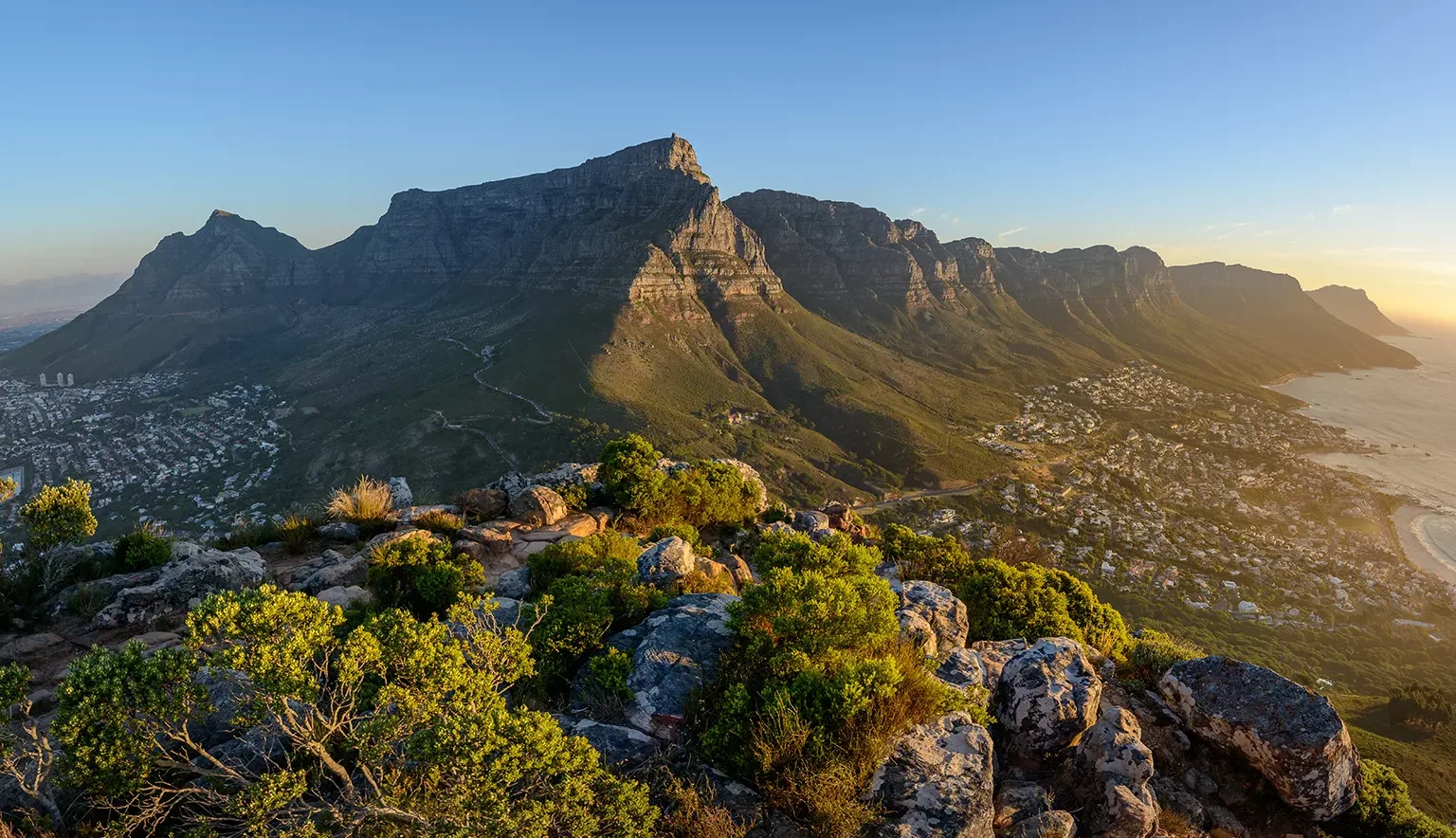
Overlooking Cape Town, Table Mountain is one of Africa’s most recognizable natural landmarks. Visitors and tourists can hike to the summit or take the famous cable car to enjoy panoramic views of the city, coastline and Atlantic Ocean.
The mountain is home to hundreds of plant species found nowhere else on Earth.
8. Lake Malawi (Malawi, Mozambique and Tanzania)

Lake Malawi is one of Africa’s Great Lakes and is famous for its exceptionally clear water and colorful cichlid fish.
The lake offers excellent opportunities for snorkeling, kayaking, swimming, fishing and relaxing on sandy beaches.
9. Avenue of the Baobabs (Madagascar)
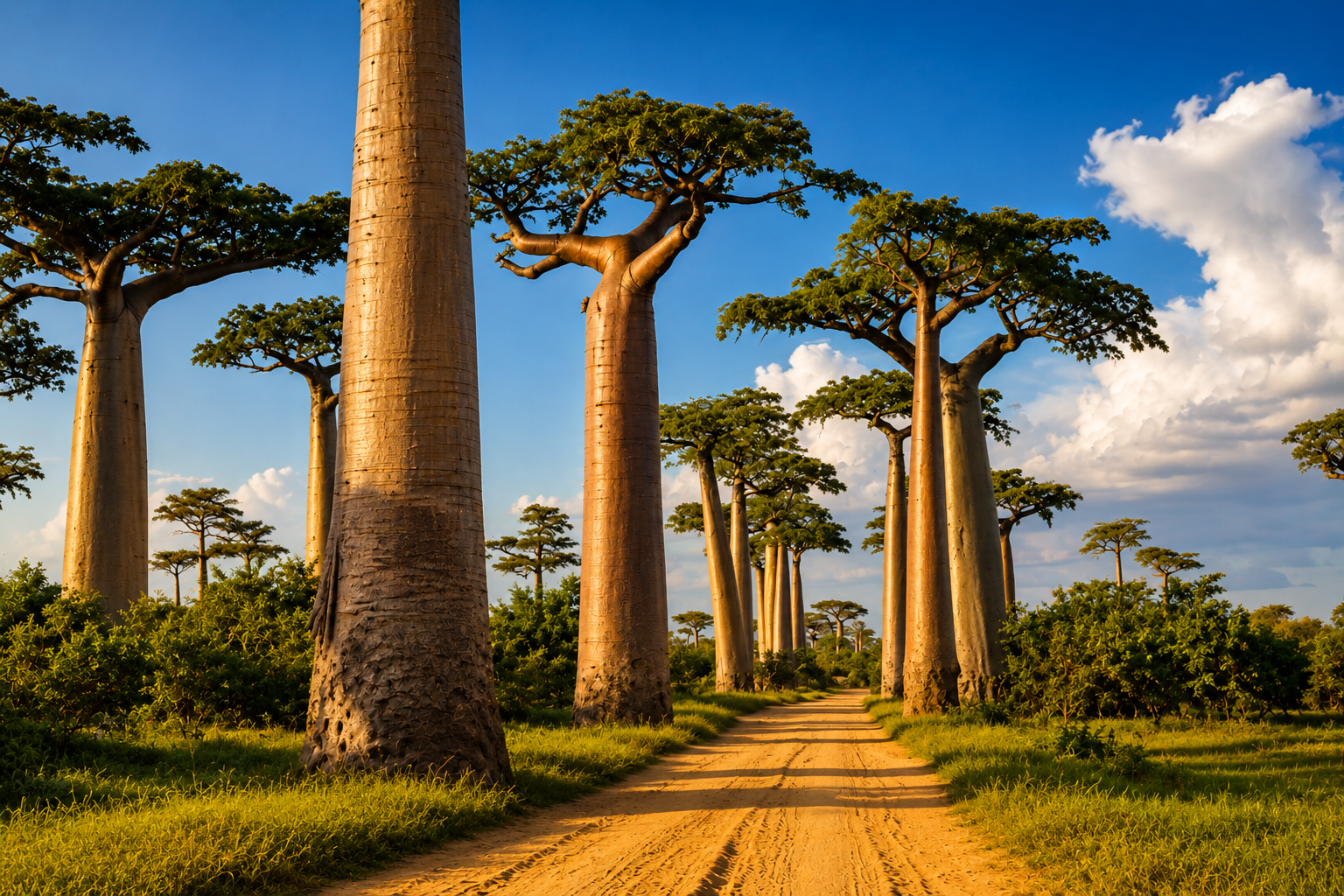
This iconic stretch of ancient baobab trees is among Madagascar’s most photographed attractions. Some of the towering trees are estimated to be over 800 years old.
Sunrise and sunset provide especially stunning photography opportunities. It’s worth exploring, visit and thank me later
10. Blyde River Canyon (South Africa)
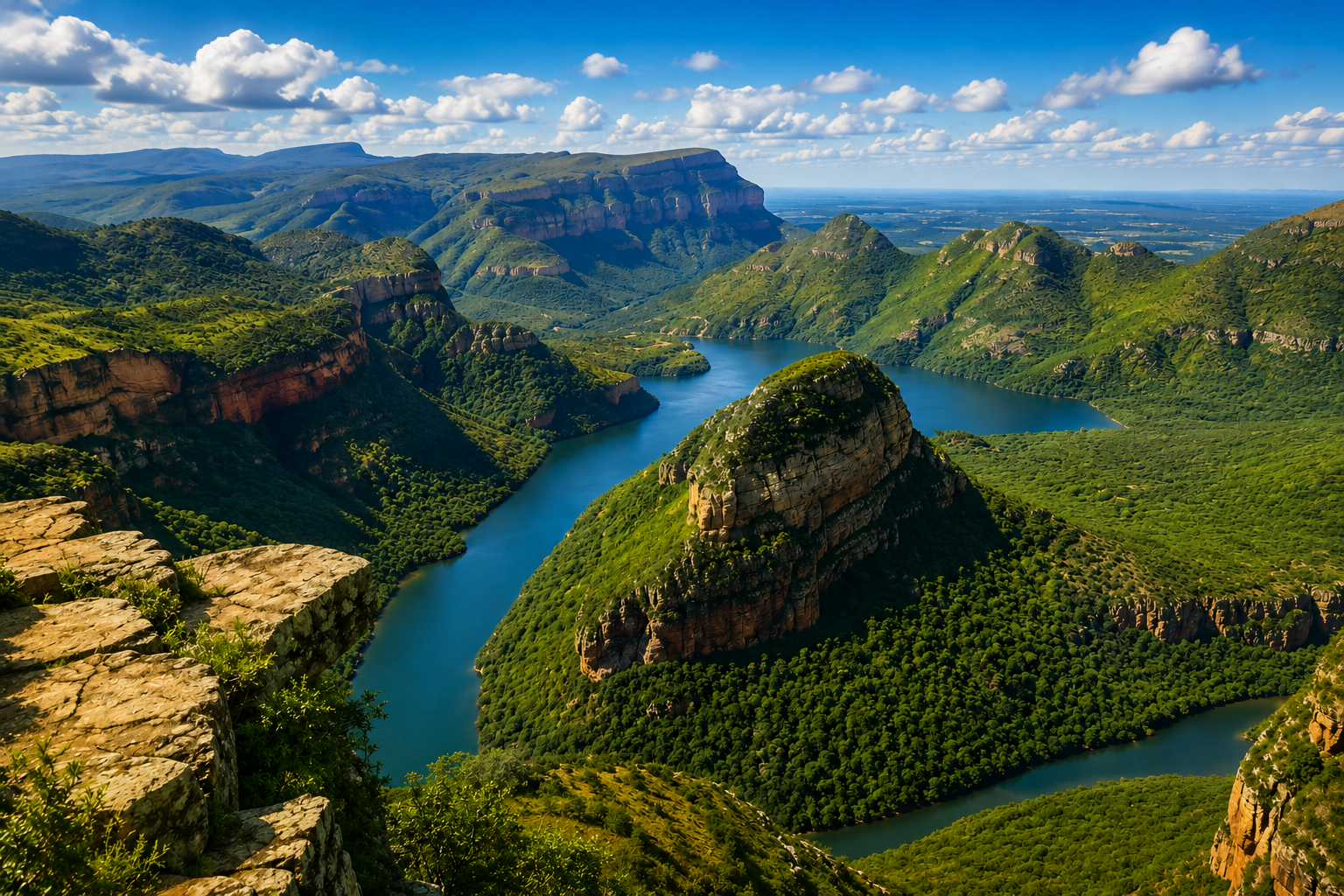
One of the largest green canyons in the world, Blyde River Canyon features towering cliffs, waterfalls, lush vegetation and scenic viewpoints.
Popular attractions include God’s Window, Bourke’s Luck Potholes and the Three Rondavels.
11. Simien Mountains National Park (Ethiopia)
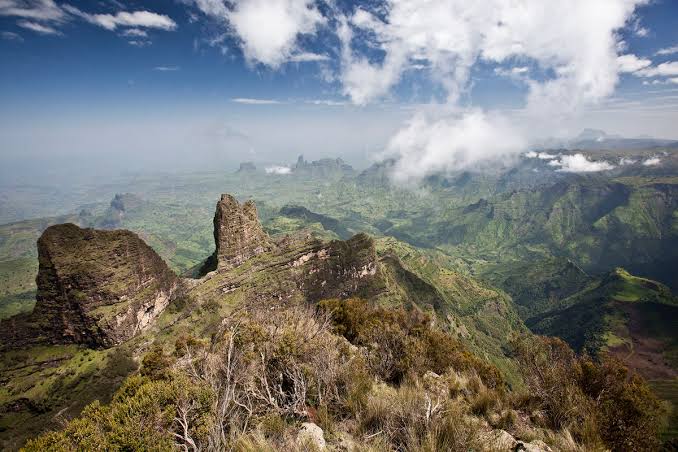
The Simien Mountains feature dramatic cliffs, deep valleys and rugged peaks.
The park is home to rare wildlife including the Gelada baboon, Ethiopian wolf and Walia ibex.
Its hiking trails are considered among the best in Africa.
12. Lake Retba (Senegal)
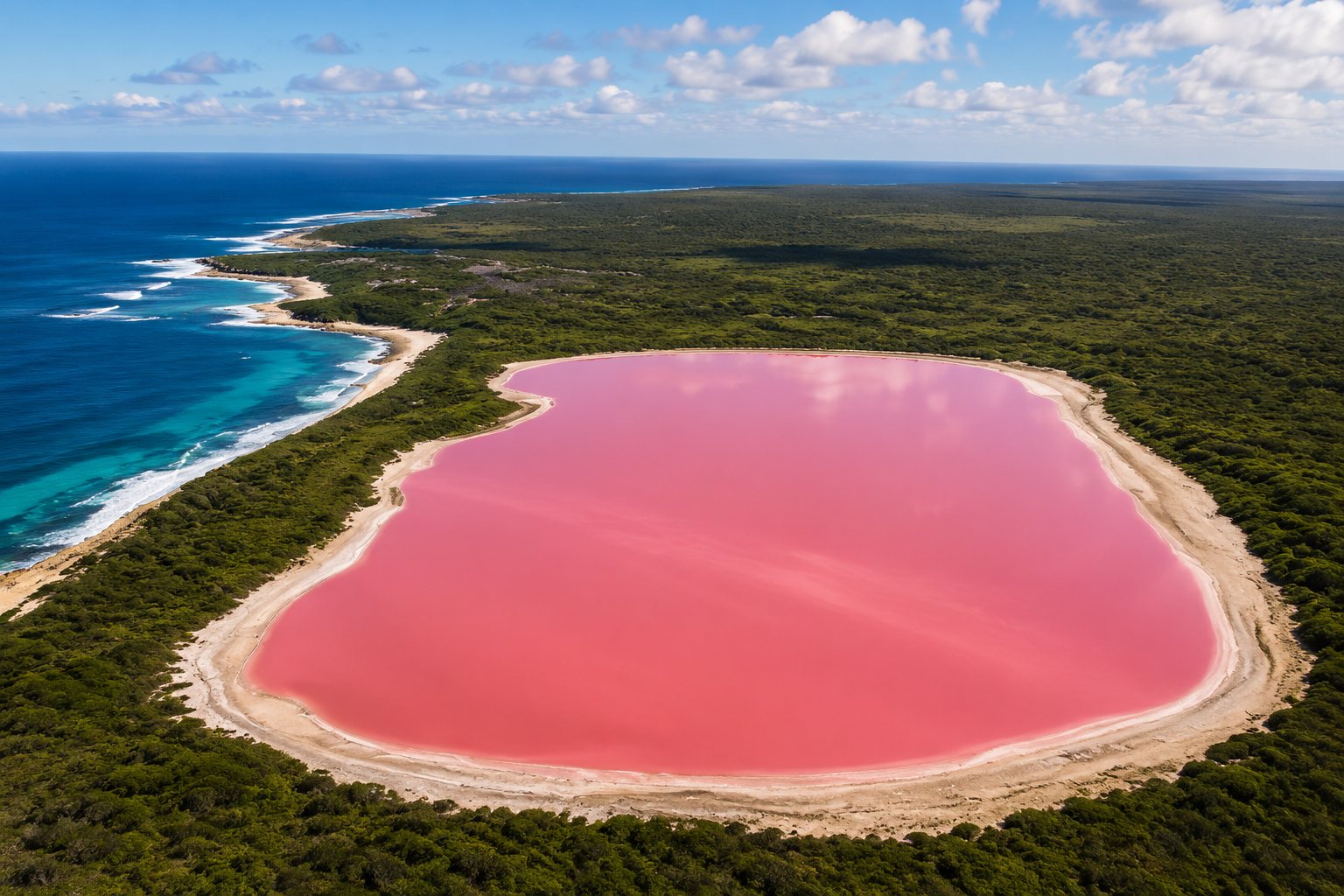
Often called the Pink Lake, Lake Retba became famous for its striking pink color caused by algae that thrive in its salty waters.
Although the lake’s color changes with the seasons, it remains one of Senegal’s most unusual natural attractions.
13. Fish River Canyon (Namibia)
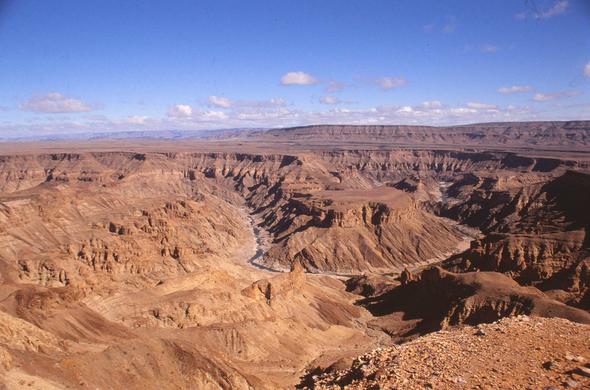
Fish River Canyon is Africa’s largest canyon and one of the continent’s most impressive geological formations.
Its dramatic cliffs stretch for approximately 160 kilometers, attracting hikers and photographers from around the world.
14. Virunga Mountains (Rwanda, Uganda and the Democratic Republic of the Congo)
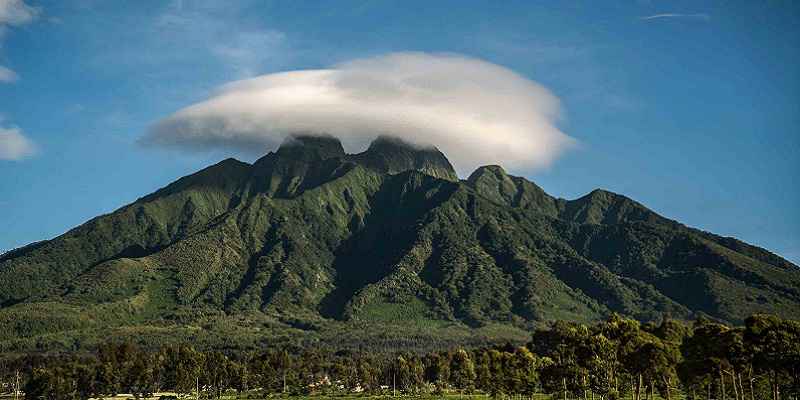
These volcanic mountains are globally famous as one of the last habitats of endangered mountain gorillas.
The region combines lush forests, volcanic peaks and unforgettable wildlife experiences.
15. Wli Waterfalls (Ghana)
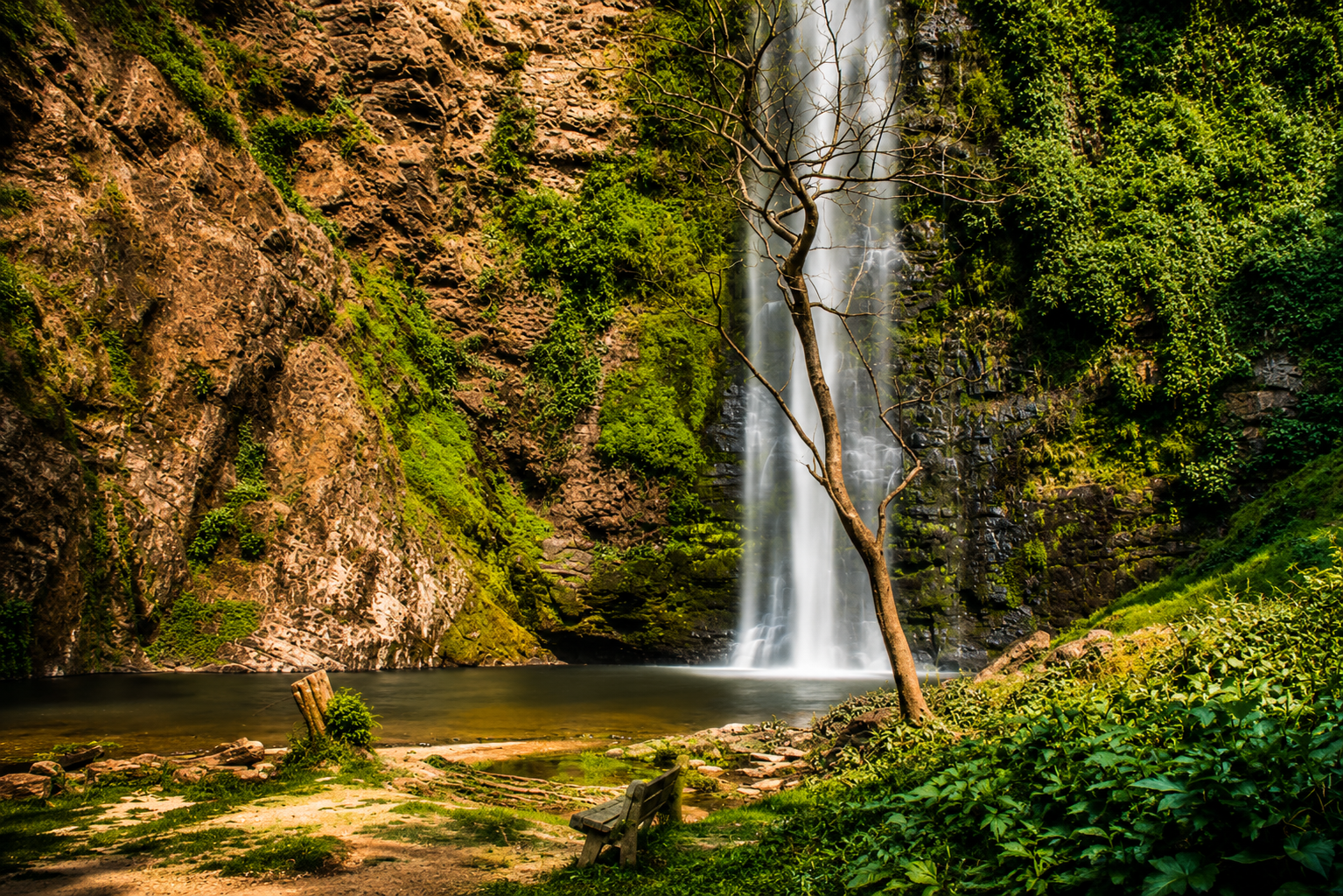
Located in Ghana’s Volta Region, Wli Waterfalls is the country’s tallest waterfall. Visitors or tourists hike through tropical forest filled with butterflies and birds before reaching the spectacular cascade surrounded by steep cliffs.
16. Lake Victoria (Kenya, Uganda and Tanzania)
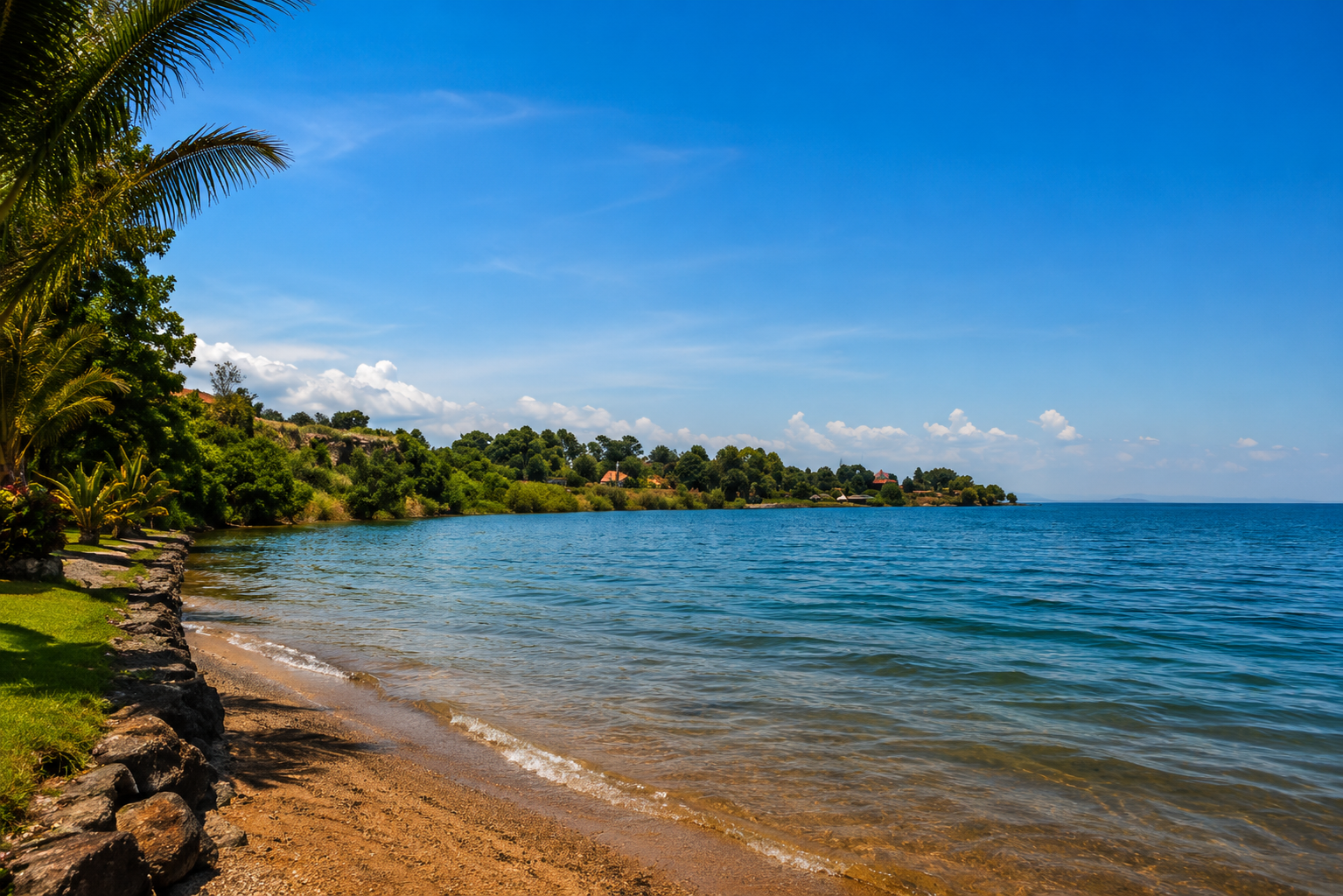
Africa’s largest lake supports millions of people through fishing, transportation and tourism.
Its islands, wetlands, birdlife and beautiful sunsets make it a rewarding destination for nature lovers.
17. Drakensberg Mountains (South Africa and Lesotho)
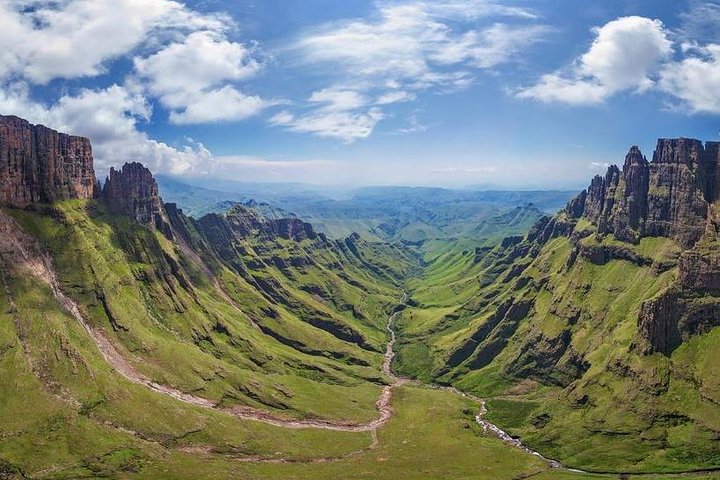
Known as the “Dragon Mountains,” the Drakensberg range features towering peaks, waterfalls, caves, hiking trails and ancient San rock art.
The area is a UNESCO World Heritage Site and one of Southern Africa’s finest outdoor destinations.
18. Tsingy de Bemaraha National Park (Madagascar)
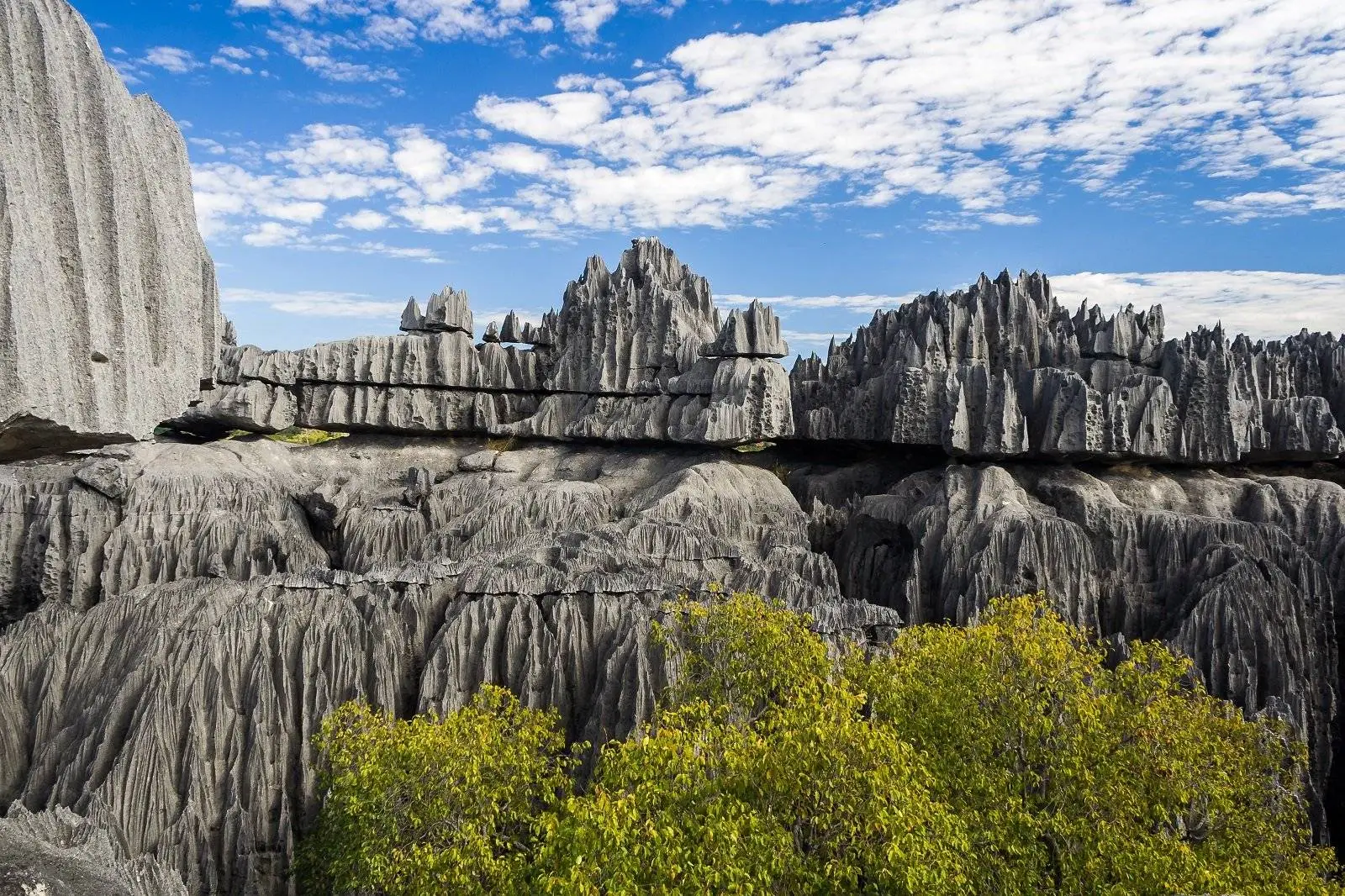
This extraordinary landscape consists of towering limestone formations that resemble a forest of sharp stone needles.
Wooden suspension bridges and narrow pathways allow adventurous visitors to explore this remarkable UNESCO World Heritage Site.
19. Blue Nile Falls (Ethiopia)
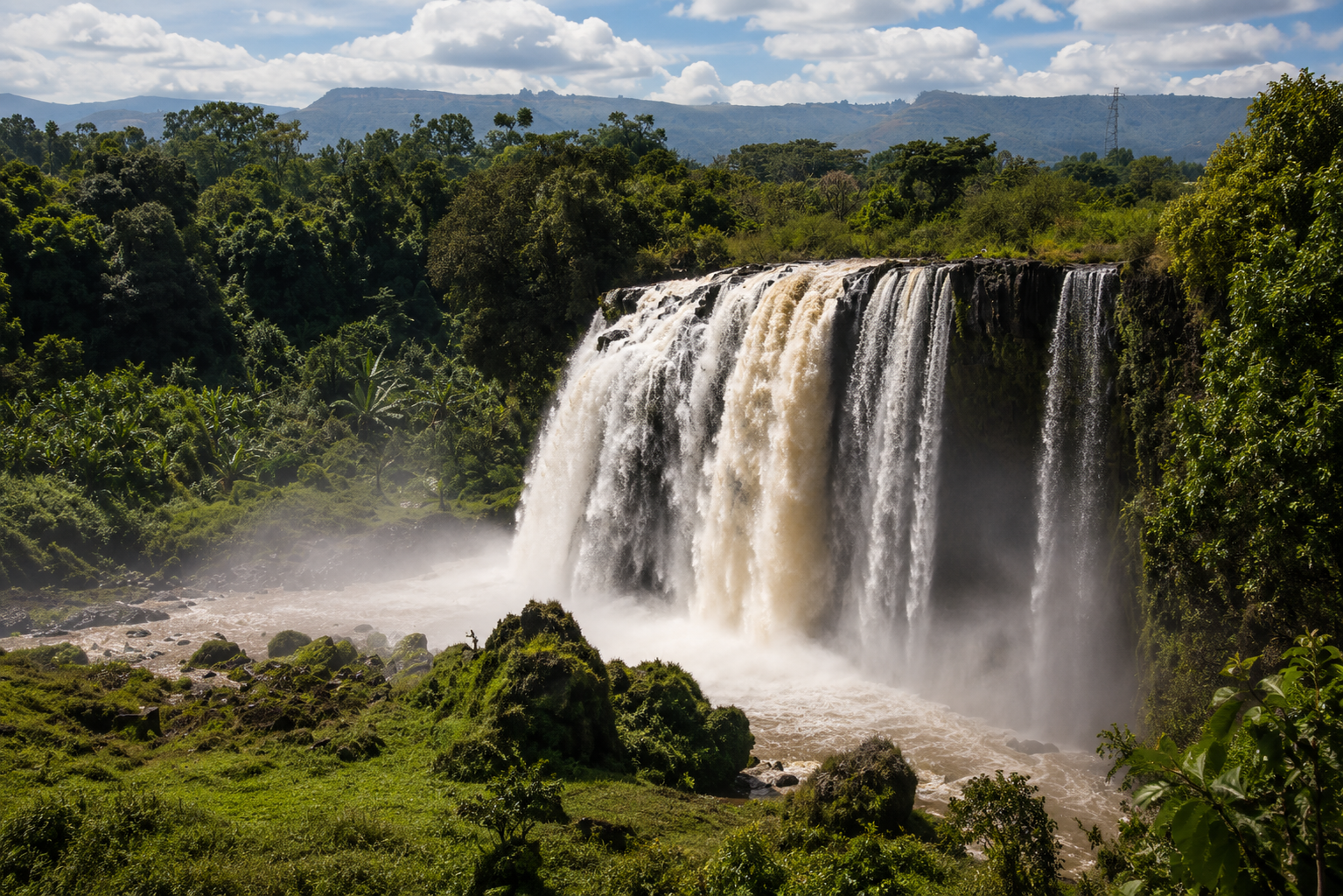
Known locally as Tis Abay, meaning “Great Smoke,” the Blue Nile Falls are among Ethiopia’s most famous natural attractions.
The falls become particularly impressive during the rainy season when water levels are highest.
20. Bwindi Impenetrable Forest (Uganda)
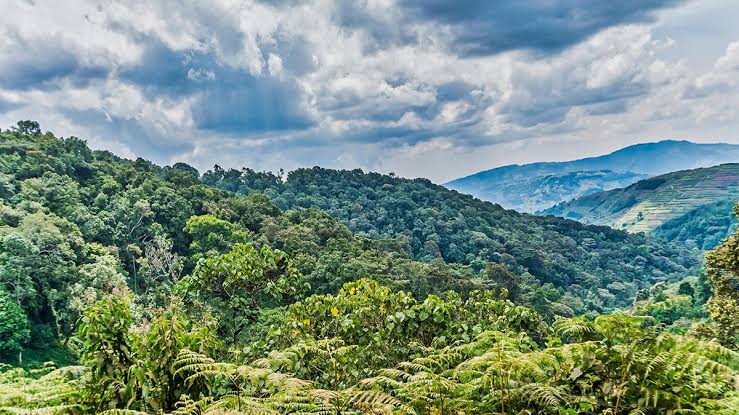
Bwindi is considered as one of Africa’s oldest rainforests and home to nearly half of the world’s remaining mountain gorillas.
The forest also contains hundreds of bird species, butterflies and rare plants, making it one of Africa’s greatest biodiversity hotspots.
Why Africa’s Natural Wonders Are Special
Africa’s natural wonders are more than beautiful landscapes. They support unique ecosystems, protect endangered wildlife, preserve cultural traditions, and provide livelihoods for local communities through sustainable tourism.
Several destinations also hold spiritual or historical significance for indigenous communities, adding cultural depth to their natural beauty.
From deserts and volcanoes to waterfalls and rainforests, every region offers something completely different, making Africa one of the world’s most rewarding continents for naturebased travel.
Tips for Visiting Natural Attractions in Africa
- Travel during the best season for each destination.
- Respect wildlife and follow park regulations.
- Hire certified local guides where required.
- Wear comfortable outdoor clothing and sturdy footwear.
- Carry sunscreen, insect repellent, and reusable water bottles.
- Avoid littering and help preserve fragile ecosystems.
- Book popular attractions well in advance during peak travel seasons.
Conclusion
Africa’s natural wonders showcase the incredible diversity of the continent. Whether you’re watching the mighty Victoria Falls thunder into a deep gorge, climbing the snowcapped slopes of Mount Kilimanjaro, exploring the vast Sahara Desert or trekking through Uganda’s ancient rainforest in search of mountain gorillas, every destination offers an unforgettable experience
These remarkable places remind travelers why Africa remains one of the world’s greatest adventure destinations. Rich in biodiversity, breathtaking scenery and cultural significance, they deserve to be explored responsibly and appreciated for generations to come.
Did you enjoy reading? pleasure share and also make sure you visit our website Pathcresta for more travel information and guides.

Mr Derek is the founder and editor of Pathcresta. He specializes in travel, tourism, and destination content, producing accurate, informative and practical guides that help readers explore attractions, plan trips and discover unique experiences across Nigeria and around the world.


