
The Best Places to Experience Igbo Culture in Nigeria
The Igbo people have one of the most fascinating cultural identities in Nigeria, shaped by centuries of traditions, entrepreneurship, storytelling, festivals, art, food and community values. Located mainly in southeastern Nigeria, Igbo culture is known for its strong connection to family, heritage, craftsmanship and celebration.
For tourists and travelers who want to experience Nigeria beyond popular tourist locations, exploring Igbo communities offers a deeper understanding of the traditions that have influenced the country for generations.
From ancient kingdoms and cultural festivals to historic towns and traditional markets, there are lots of places where visitors can experience Igbo heritage in its most authentic form.
Here are some of the best places to experience Igbo culture in Nigeria.
1. Enugu State (The Heart of Modern Igbo Culture)
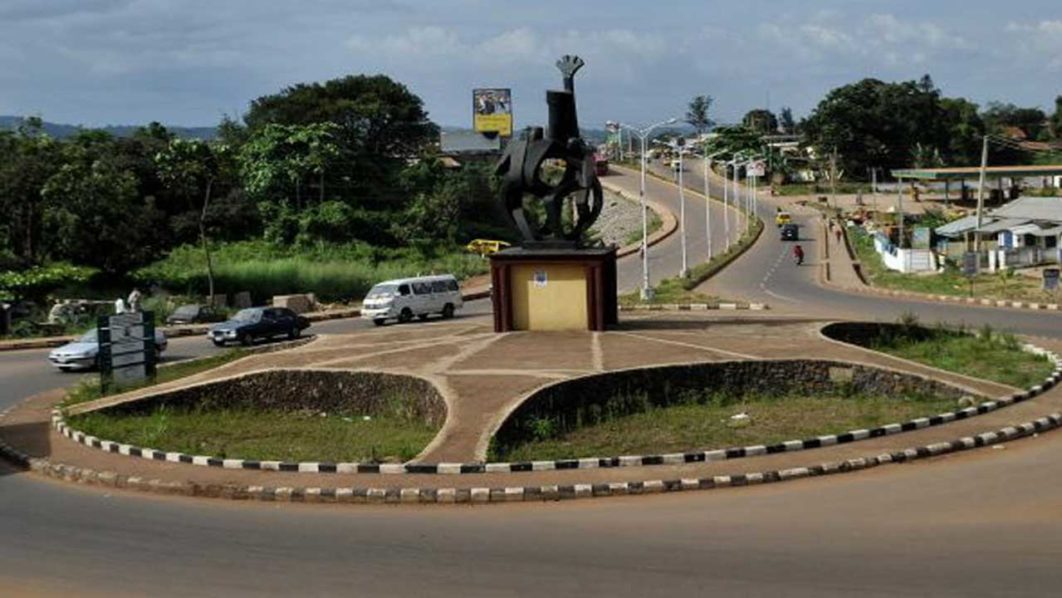
Enugu is one of the most important destinations for understanding contemporary Igbo culture. Known as the Coal City, Enugu has played a major role in Igbo history, entertainment, education and politics. The city combines modern development with deep cultural roots.
Visitors can experience Igbo culture through:
- Traditional events
- Local food
- Music and entertainment
- Historical sites
- Cultural centers
One of the best places to explore is the National Museum of Unity, Enugu, which showcases Nigerian history and cultural items from different communities.
The state is also famous for the Mmanwu Festival, a traditional masquerade celebration where dancers perform in colorful costumes representing different spirits and cultural stories.
Beyond the city, places like Nike community offer opportunities to experience traditional art, especially through the famous Nike arts and crafts scene.
Enugu is a perfect starting point for tourists and travelers who want a balance of culture, comfort and modern tourism.
2. Anambra State (Home of Igbo Heritage and Ancient Traditions)
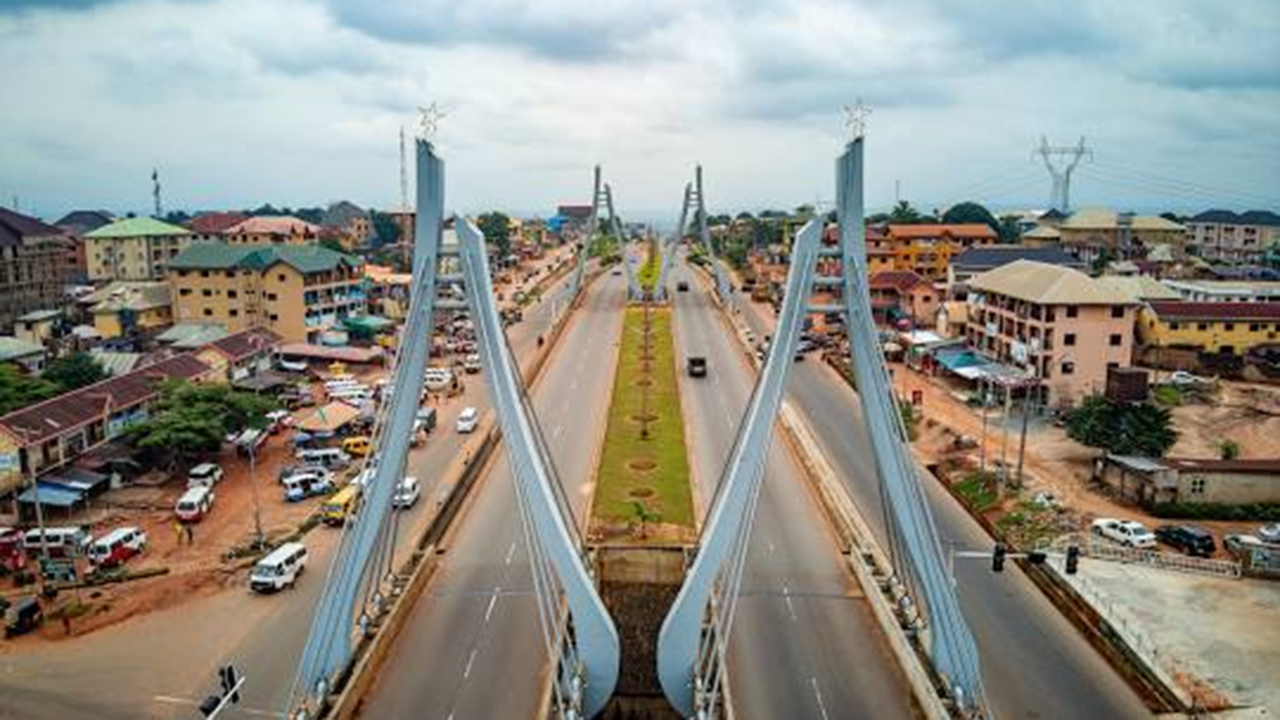
Anambra is also considered as one of the most culturally significant Igbo states. The state has produced important historical figures and remains a center of Igbo traditions, trade and festivals.
Some cultural highlights include:
- Ancient communities
- Traditional festivals
- Historic markets
- Local crafts
One of the most important cultural destinations is Nri, known as the spiritual and historical center of the Igbo people. The ancient Nri Kingdom played a major role in Igbo history, especially in traditional leadership and cultural practices.
Visitors interested in Igbo origins often explore Nri because of its connection to Igbo civilization and traditional institutions. Anambra is also famous for the Ofala Festival, one of the most colorful Igbo cultural celebrations.
The festival celebrates traditional rulers and features:
- Royal appearances
- Music
- Dancing
- Traditional clothing
- Community celebrations
3. Imo State (A Destination of Festivals and Traditions)
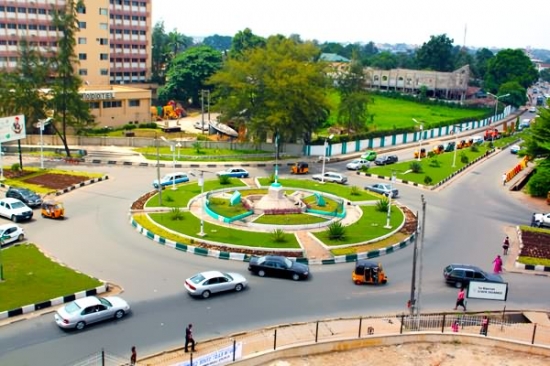
Imo State is also another important location for experiencing Igbo culture. The state is known for its lively communities, traditional celebrations and strong connection to Igbo customs.
Visitors can explore:
- Traditional villages
- Cultural festivals
- Local cuisine
- Heritage sites
Owerri, the state capital, provides a modern introduction to the culture through restaurants, entertainment and events. Imo is also known for traditional masquerade performances, which remain an important part of Igbo celebrations. Would you to explore Imo State.
The state gives visitors a chance to see how traditional values continue to exist alongside modern lifestyles.
4. Abia State (Where Tradition Meets Craftsmanship)
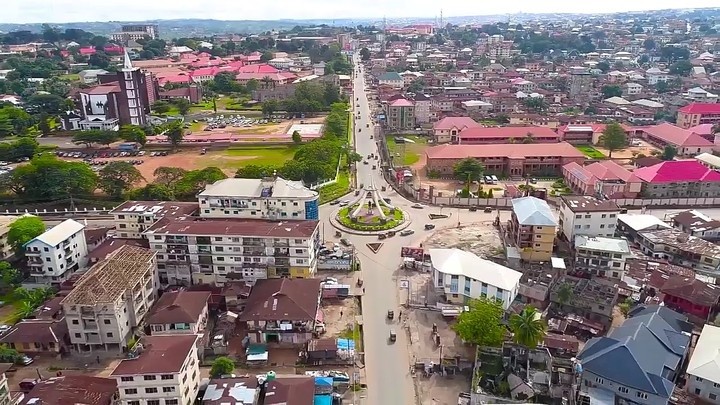
Abia State is famous for its connection to Igbo entrepreneurship and craftsmanship. One of the best places to experience this is Ariaria International Market in Aba.
Aba is often called a center of Igbo business creativity because of its long history of manufacturing, trading and craftsmanship.
Visitors can discover:
- Handmade products
- Local fashion
- Leather works
- Traditional designs
- Small businesses
The creativity of Aba reflects a major part of Igbo identity, innovation and self-reliance. Beyond business culture, Abia also has historical communities and cultural attractions that showcase Igbo traditions.
5. Ebonyi State (Rural Igbo Traditions and Community Life)
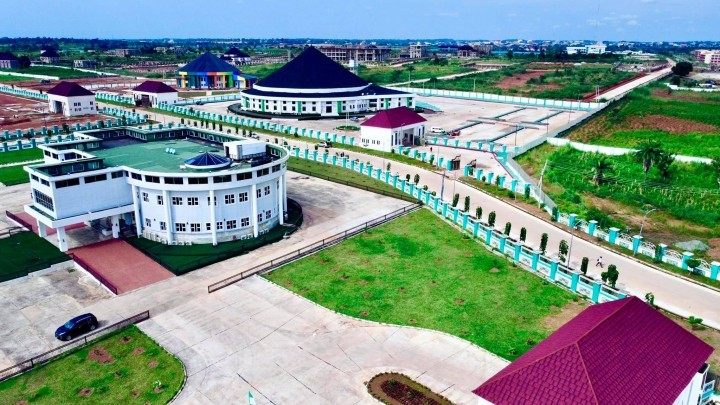
Ebonyi offers travelers a chance to experience a quieter and more traditional side of Igbo culture.
The state is known for:
- Farming communities
- Traditional lifestyles
- Local festivals
- Natural landscapes
A lot of communities in Ebonyi maintain strong connections to traditional ways of life.
Visitors can experience:
- Local food preparation
- Traditional farming methods
- Community celebrations
- Indigenous customs
The state is especially suitable for travelers who want authentic cultural experiences away from major city centers.
6. Abakaliki (Food, Markets and Local Lifestyle)

The capital city of Ebonyi State, Abakaliki, provides a good introduction to everyday Igbo life.
The city is known for its:
- Rice production
- Local markets
- Traditional foods
- Friendly communities
Food is an important part of Igbo culture and visitors can enjoy dishes such as:
- Abacha (African salad)
- Ukwa (breadfruit)
- Ofe Onugbu
- Traditional soups
Exploring local markets is also a great way to understand daily life and the importance of trade in Igbo society.
7. Onitsha (The Commercial Spirit of Igbo People)
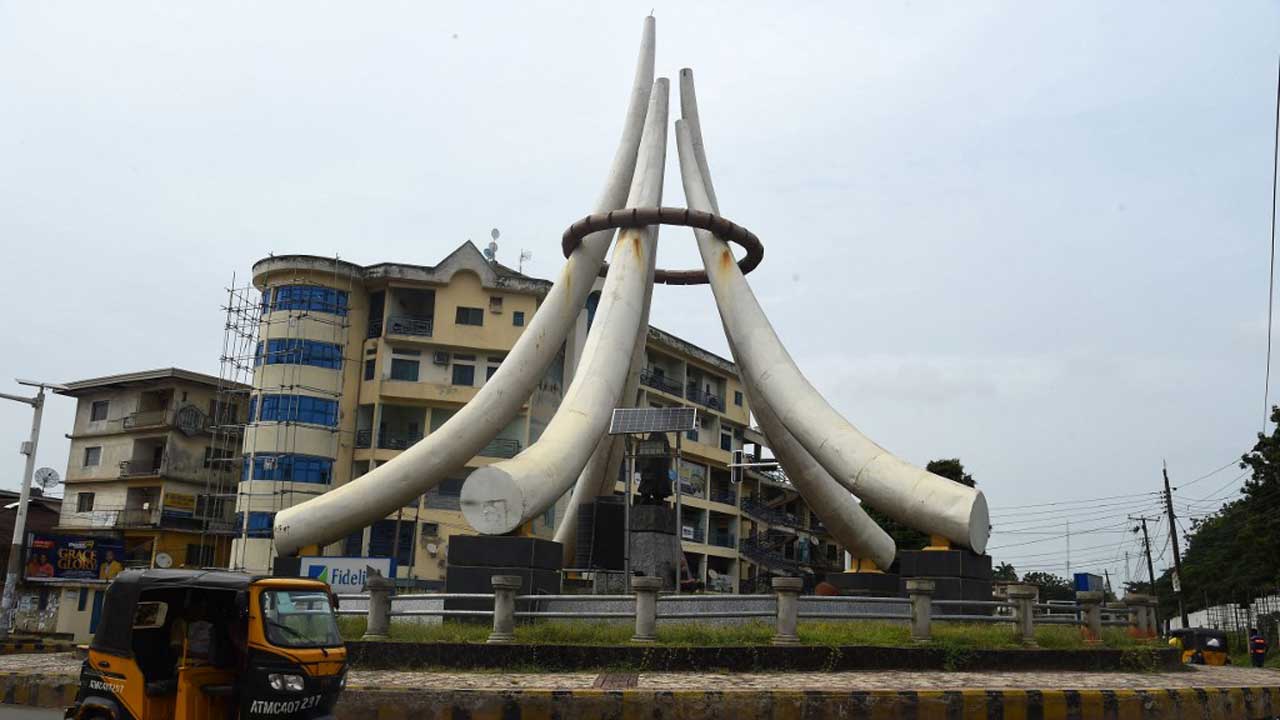
Onitsha is one of the most famous Igbo cities and a major commercial center in Nigeria.
The city is known for:
- Business activities
- Large markets
- River trade
- Urban Igbo lifestyle
The famous Onitsha Main Market represents the entrepreneurial spirit that the Igbo people are widely known for. Beyond commerce, Onitsha also has cultural importance because of its connection to the River Niger and traditional communities.
The city shows how Igbo traditions have adapted to modern economic life.
8. Owerri (Entertainment and Contemporary Igbo Culture)
Owerri represents the modern side of Igbo culture.
The city is known for:
- Music
- Hospitality
- Food
- Entertainment
- Social events
Visitors can experience how younger generations continue to express Igbo identity through:
- Fashion
- Music
- Film
- Lifestyle
Owerri is a good destination for travelers who want to see the blend between tradition and modern Nigerian culture.
9. Oguta (Nature and Cultural Experiences)
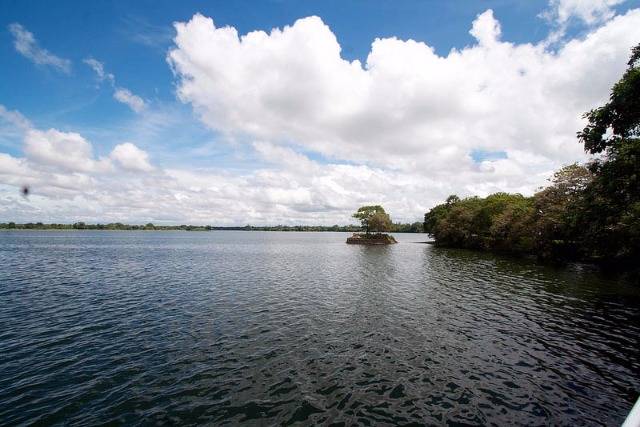
Oguta which is located in Imo State, is known for the beautiful Oguta Lake, but it also offers cultural experiences.
The area provides opportunities to explore:
- Local communities
- Traditional beliefs
- River-based lifestyles
The lake has historical and cultural importance to surrounding communities.
Travelers visiting Oguta can combine nature exploration with learning about local traditions.
10. Nsukka (Education, Art and Igbo Heritage)
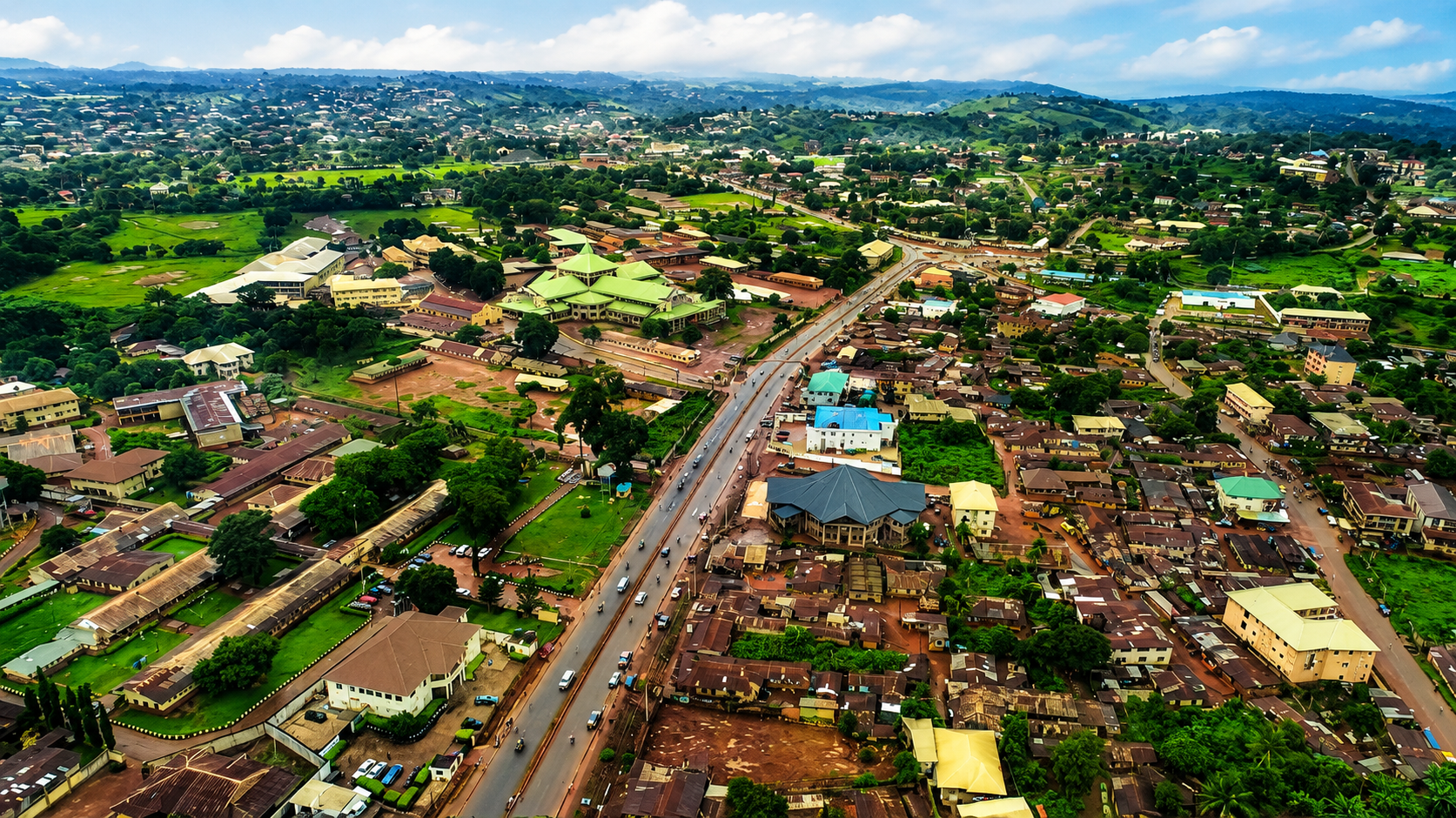
Nsukka in Enugu State is an important cultural and intellectual center. Home to the University of Nigeria, Nsukka, the town has influenced Nigerian art, literature and education.
The area is known for:
- Art traditions
- Academic history
- Cultural research
- Local communities
Nsukka helped shape many modern conversations around Nigerian identity and creativity.
For travelers interested in the connection between culture and knowledge, Nsukka is worth visiting.
Best Igbo Cultural Experiences to Try
Beyond visiting locations, travelers should experience Igbo culture through activities such as:
Attending a Traditional Festival
Festivals are among the best ways to see Igbo traditions come alive.
Popular celebrations include:
- New Yam Festival
- Ofala Festival
- Masquerade festivals
Trying Igbo Food
Food is an important part of Igbo identity.
Some dishes to try include:
- Ofe Nsala
- Abacha
- Ukwa
- Nkwobi
- Okpa
Learning Traditional Crafts
Igbo communities have strong traditions in:
- Pottery
- Wood carving
- Weaving
- Local fashion
Visiting Traditional Markets
Markets are not just places for buying and selling; they are important social spaces.
Conclusion
Experiencing Igbo culture in Nigeria is about more than visiting places. It is about understanding the traditions, values, creativity and history that have shaped one of Africa’s most influential ethnic groups.
From the historic roots of Nri to the busy markets of Onitsha, the cultural festivals of Anambra and the creative energy of Aba, southeastern Nigeria offers countless ways to discover Igbo heritage.
For travelers searching for authentic Nigerian experiences, these destinations provide a deeper connection to the people, stories and traditions of Igbo society. Don’t forget to always visit Pathcresta for more travel information and tips.

Mr Derek is the founder and editor of Pathcresta. He specializes in travel, tourism, and destination content, producing accurate, informative and practical guides that help readers explore attractions, plan trips and discover unique experiences across Nigeria and around the world.


