The Most Mysterious Places in Africa and Their Stories: Hidden Legends, Ancient Secrets And Forgotten Wonders
As we all know, Africa is a continent where history, nature and mystery exist side by side. Beyond its famous wildlife parks, beautiful beaches and modern cities, Africa is home to places that have fascinated explorers, historians, archaeologists and travelers for centuries.
A lot of locations are mysterious because of ancient structures that still raise questions today. Others are surrounded by legends, unusual landscapes, forgotten civilizations or stories passed down through generations.
These places are not simply tourist attractions; they are reminders that Africa holds thousands of years of human history and natural wonders that continue to surprise the world.
For travelers and tourists who enjoy discovering unusual destinations, these mysterious places offer something different, a journey into the unknown, where every location has a story waiting to be uncovered.
Here are some of the most mysterious places in Africa and the fascinating stories behind them.
1. The Great Zimbabwe Ruins, Zimbabwe
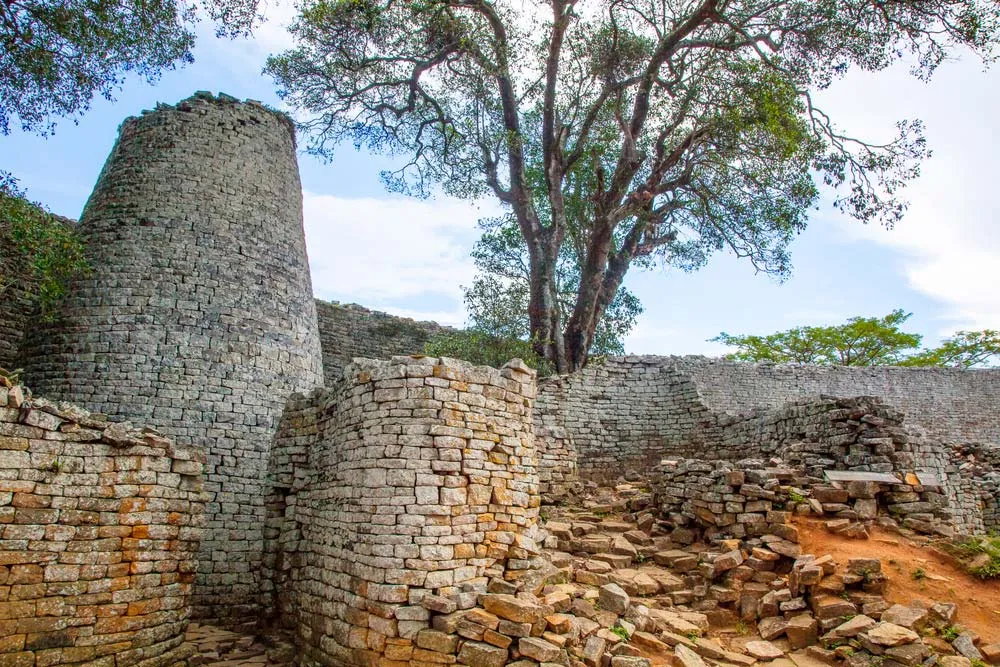
Hidden among the hills of southern Zimbabwe are the remains of one of Africa’s greatest ancient civilizations, the Great Zimbabwe Ruins.
Built between the 11th and 15th centuries, Great Zimbabwe was once a powerful city and the center of a wealthy kingdom. The ruins are popular for their massive stone walls, built without mortar. Some of the walls reach several meters high, showing the incredible engineering skills of the people who created them.
What makes Great Zimbabwe fascinating is not only its size but also the mystery surrounding its history.
Over the years, outsiders refused to believe that an African civilization could have created such an advanced structure. However, archaeological evidence shows that the city was built by ancestors of the Shona people.
The city was once a major trading center, connected to other parts of Africa and the Indian Ocean trade network.
Visitors today can walk through:
- Ancient stone structures
- Royal enclosures
- Old pathways
- Historical sites
The ruins tell the story of a powerful African kingdom that existed long before modern borders were created.
2. The Door of No Return, Senegal
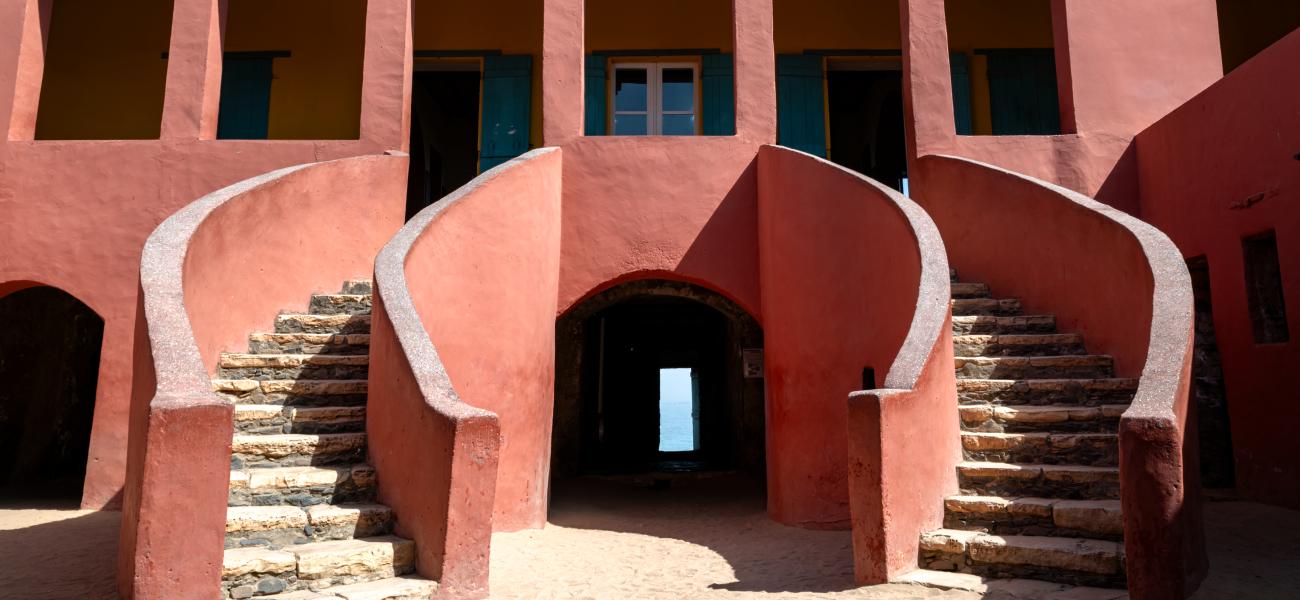
On Gorée Island, located near Dakar Senegal, stands one of Africa’s most emotional historical sites: referred to as the Door of No Return.
The island played a major role during the transatlantic slave trade. For centuries, enslaved Africans were held on Gorée Island before being transported across the Atlantic.
The Door of No Return is believed to be the final point where a lot of enslaved people left Africa, often never seeing their homeland again.
The location carries a deep emotional weight.
Today, visitors come to learn about this painful chapter of history and reflect on the experiences of millions of people affected by slavery.
The mystery surrounding Gorée Island is not about unexplained events but about understanding how a small island became connected to one of the largest human movements in history. It remains a place of remembrance and education, would like to visit.
3. The Stone Circles of Senegambia, Senegal and The Gambia
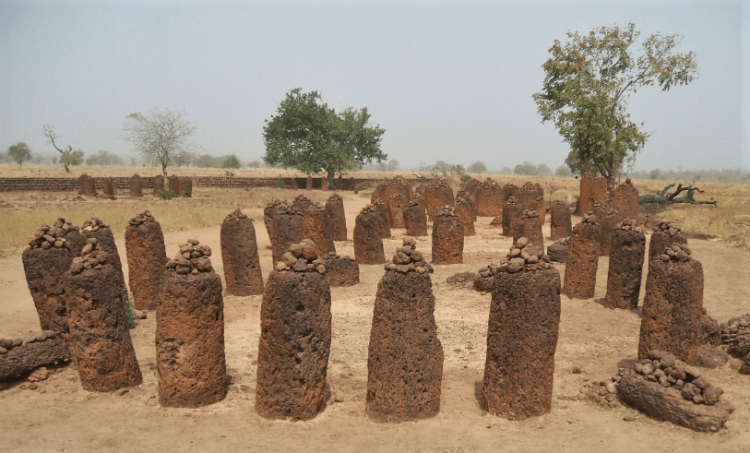
Across parts of Senegal and The Gambia are thousands of ancient stone circles that have confused researchers for generations.
Known as the Stone Circles of Senegambia, these mysterious monuments were built centuries ago. The stones are arranged in groups and are believed to have been connected to burial practices and ancient communities.
However, A lot of questions remain:
Who exactly built them?
How were the massive stones transported?
What rituals took place around them?
The circles show that ancient West African societies had complex systems of organization and belief. Today, the sites offer travelers a chance to see a side of Africa’s history that is rarely discussed. Standing among the stones, visitors often feel the mystery of people who lived hundreds of years ago.
4. The Danakil Depression, Ethiopia
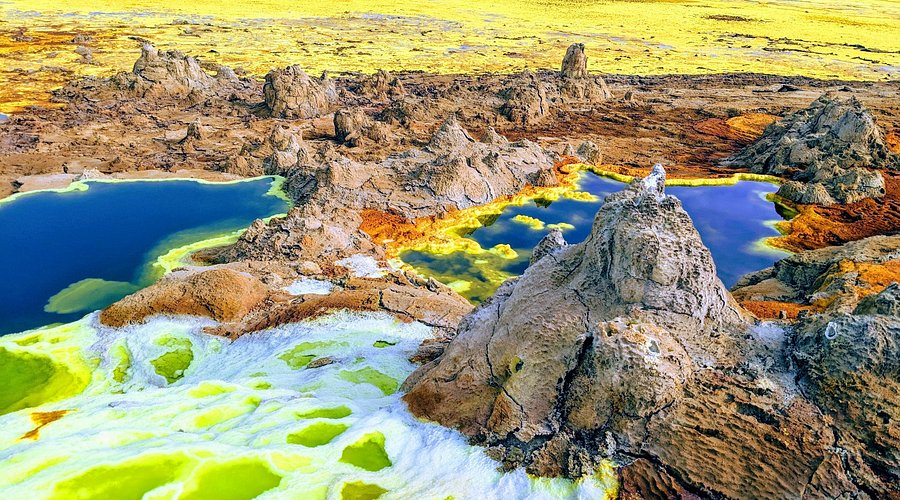
The Danakil Depression is one of the most extreme and unusual landscapes on Earth. Located in northeastern Ethiopia, the region is known for its colorful mineral formations, volcanoes, salt plains and harsh environment.
The landscape looks almost like another planet. Bright yellow, orange and green areas appear across the ground due to natural chemical reactions. The area is also one of the hottest places on Earth, with temperatures regularly reaching extreme levels.
Regardless of the difficult conditions, communities have lived in the region for generations, including the Afar people. The mystery of Danakil is connected to its strange appearance and geological activity.
Scientists continue to study the region because it provides insight into how the Earth changes over time. For adventurous travelers, visiting Danakil feels like stepping into a completely different world.
5. The Ancient City of Carthage, Tunisia
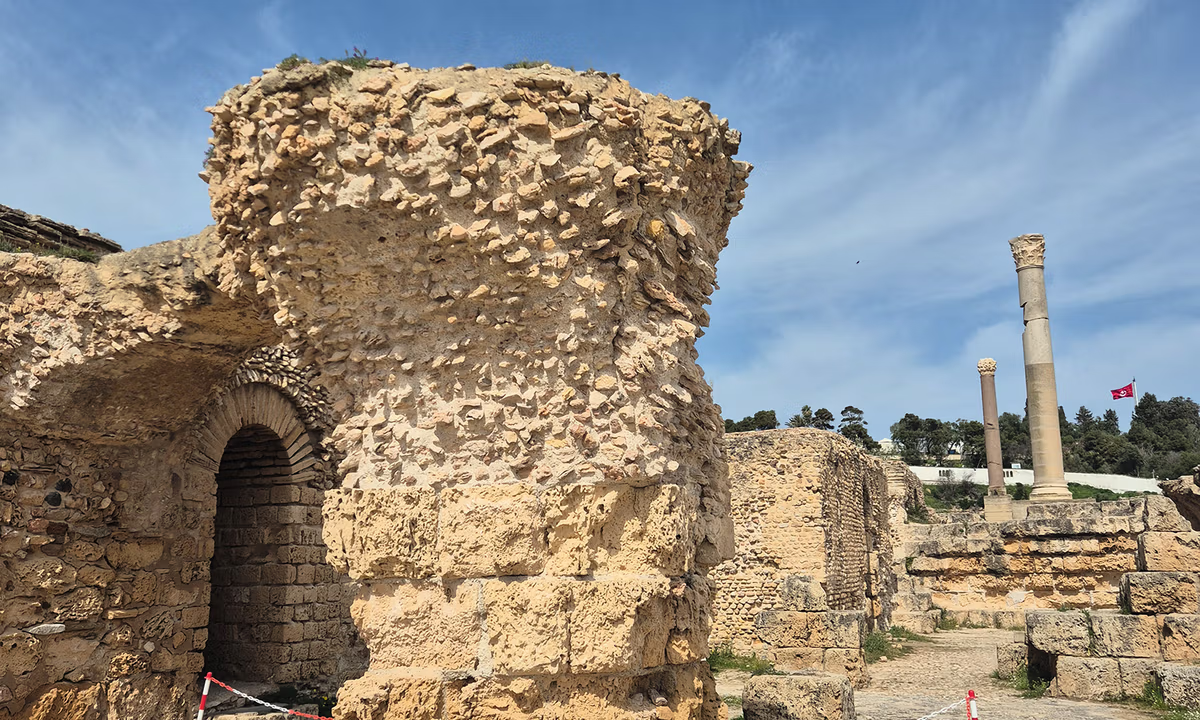
The ruins of Carthage hold the story of one of the most powerful civilizations of the ancient world. Located near modern day Tunis, Carthage was founded by the Phoenicians and became a major Mediterranean power.
The city grew wealthy through trade and became the rival of ancient Rome. The most famous figure connected to Carthage is Hannibal, the legendary military commander who crossed the Alps with elephants to challenge Rome.
The mystery of Carthage comes from the fact that such a powerful civilization was eventually destroyed and rebuilt several times.
Today, visitors can explore the remains of:
- Ancient ports
- Roman ruins
- Historic buildings
The site reminds travelers that Africa has always played a major role in global history.
6. Lake Natron, Tanzania
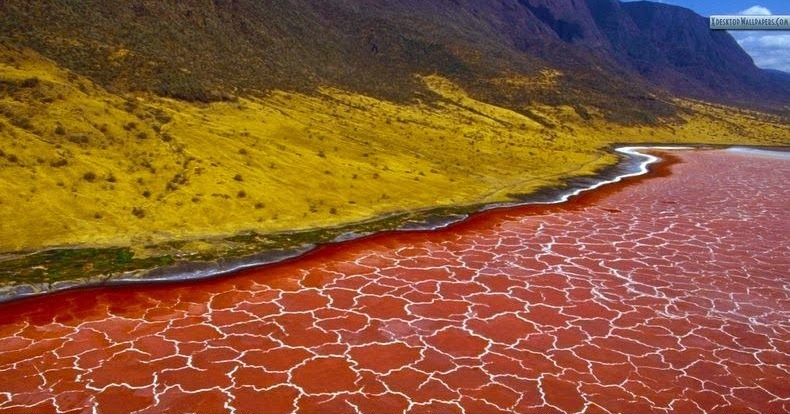
Lake Natron in northern Tanzania is one of Africa’s strangest natural wonders. The lake is known for its unusual red appearance and highly alkaline water.
The environment is so extreme that it can preserve animal remains, creating stories that the lake “turns creatures into stone.” While the reality is connected to the lake’s chemical composition, the sight remains fascinating.
The lake is also an important breeding area for flamingos. Thousands of flamingos gather here because the harsh conditions protect their nesting grounds from numerous predators.
Lake Natron shows how nature can create places that look almost impossible.
7. The Omo Valley, Ethiopia
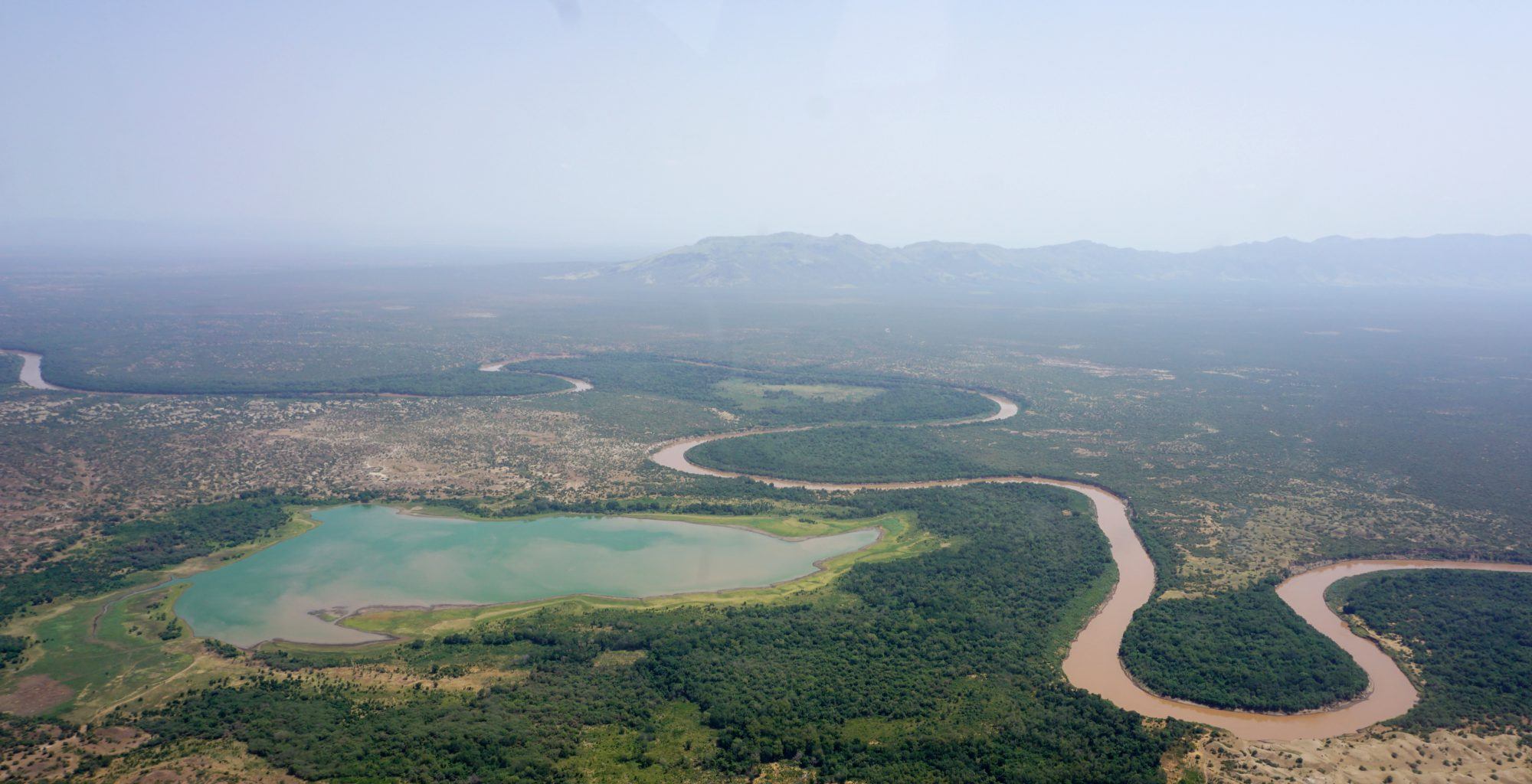
The Omo Valley is one of Africa’s most culturally fascinating regions. Located in southern Ethiopia, the valley is home to communities that have preserved unique traditions for generations.
The mystery of Omo Valley comes from its connection to ancient ways of life.
Different communities have their own:
- Languages
- Clothing styles
- Ceremonies
- Artistic traditions
For travelers, visiting Omo Valley feels like entering a different chapter of human history. The region also has archaeological importance because some of the earliest human fossils were discovered in this area.
It represents both cultural and scientific mystery, you can try visiting.
8. The Mysterious Rock Churches of Lalibela, Ethiopia
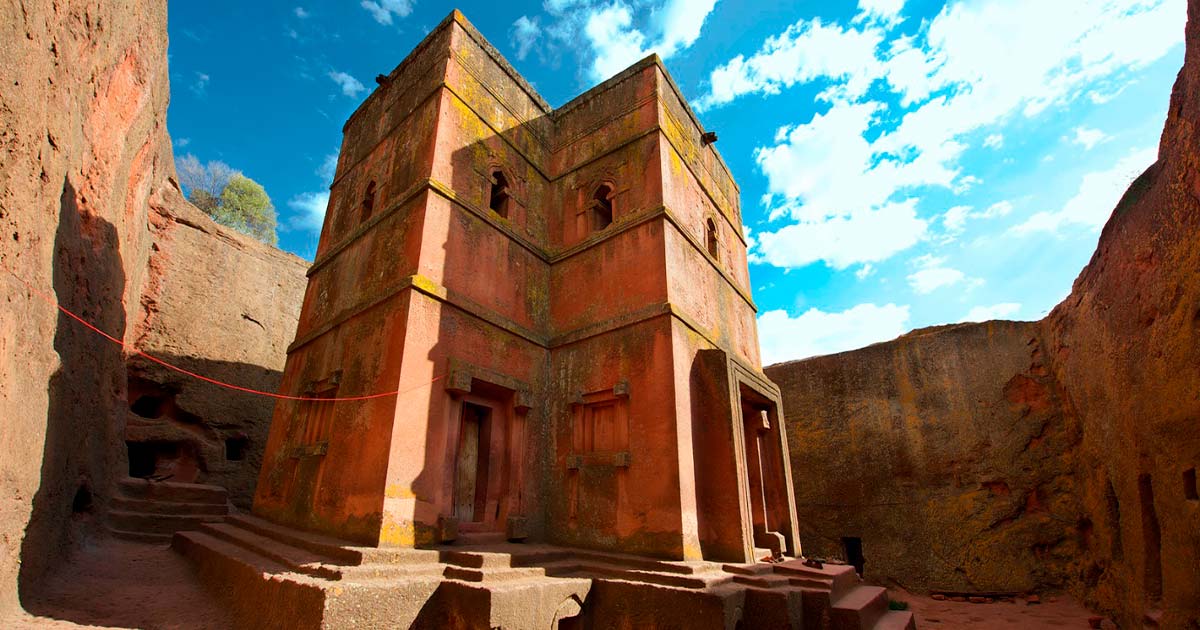
Deep in the mountains of Ethiopia lies Lalibela, a town famous for its incredible underground churches. The churches were carved directly into solid rock hundreds of years ago.
Unlike traditional buildings constructed by placing stones together, these churches were created by removing rock from the ground. The result is an architectural achievement that still amazes visitors today.
According to tradition, the churches were built under the direction of King Lalibela and were intended to create a “New Jerusalem.” in Africa
The mystery comes from how ancient builders created such detailed structures with limited technology. Lalibela remains one of Africa’s greatest historical wonders.
9. The Namib Desert Fairy Circles, Namibia
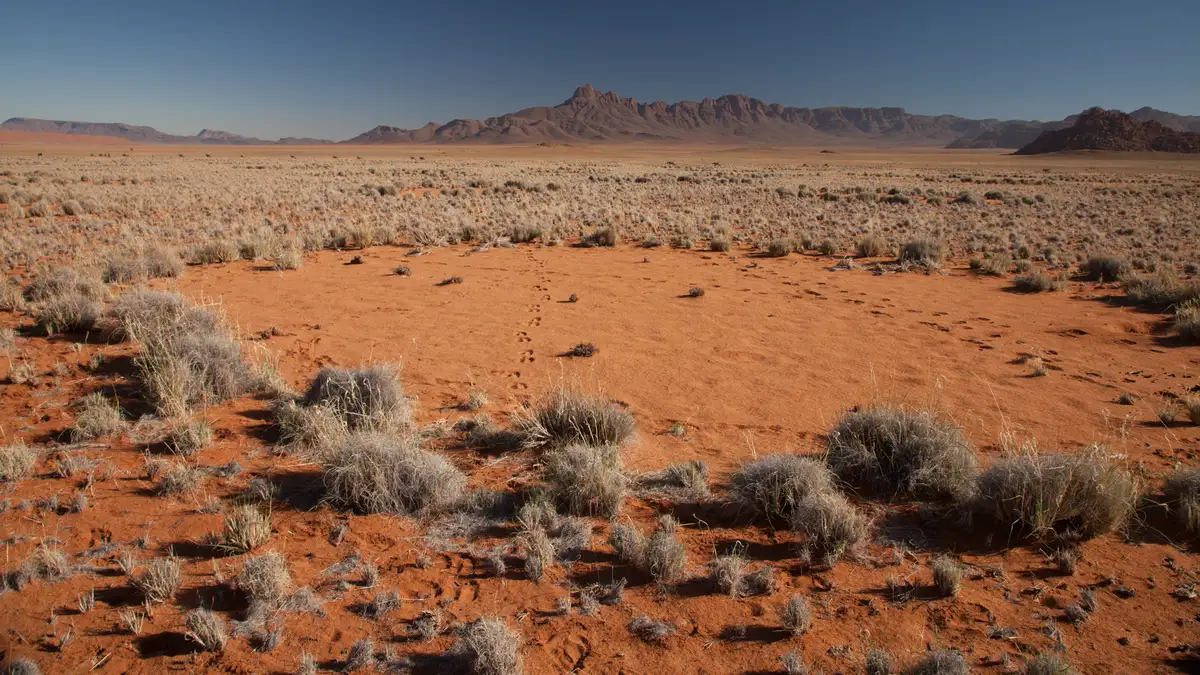
The Namib Desert is home to one of nature’s most unusual mysteries: the fairy circles. Across parts of the desert landscape, thousands of circular patches appear where grass does not grow.
Over the years, scientists debated the cause. Some theories suggested underground organisms, while others focused on competition between plants for water.
Although research continues, the circles remain one of Africa’s most fascinating natural mysteries. The endless desert landscape covered with mysterious patterns creates a view unlike anywhere else.
10. The Lost City of Kalahari Legends, Southern Africa
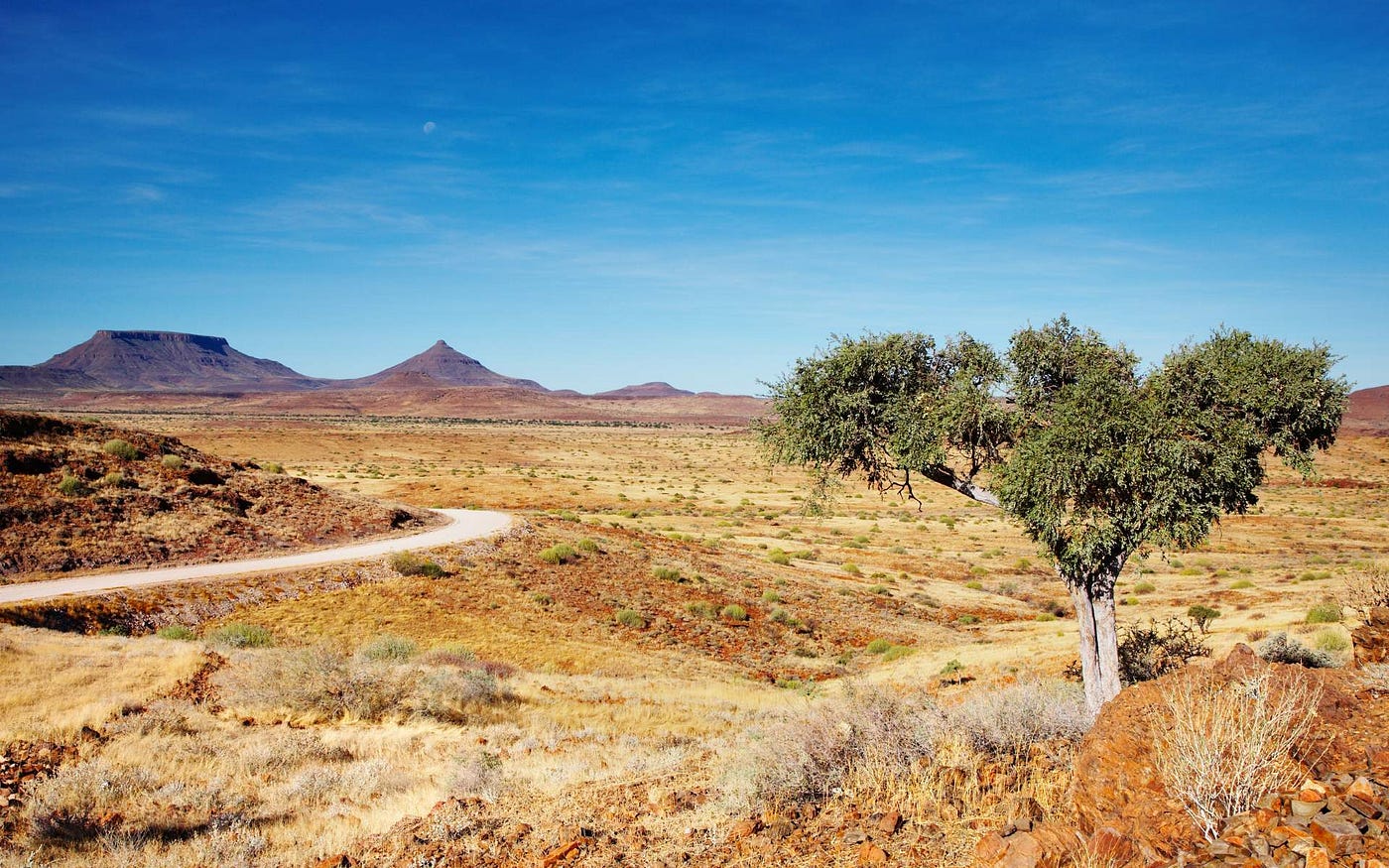
For decades, explorers searched for stories about a lost city hidden somewhere in the Kalahari Desert. Old reports described mysterious ruins and ancient structures buried beneath the sand
While countless claims remain unproven, the legend has captured the imagination of adventurers for generations. The story reflects Africa’s long history of exploration and the many secrets that deserts may still hold.
The Kalahari continues to attract travelers interested in landscapes, history and unanswered questions.
11. The Aksum Obelisks, Ethiopia
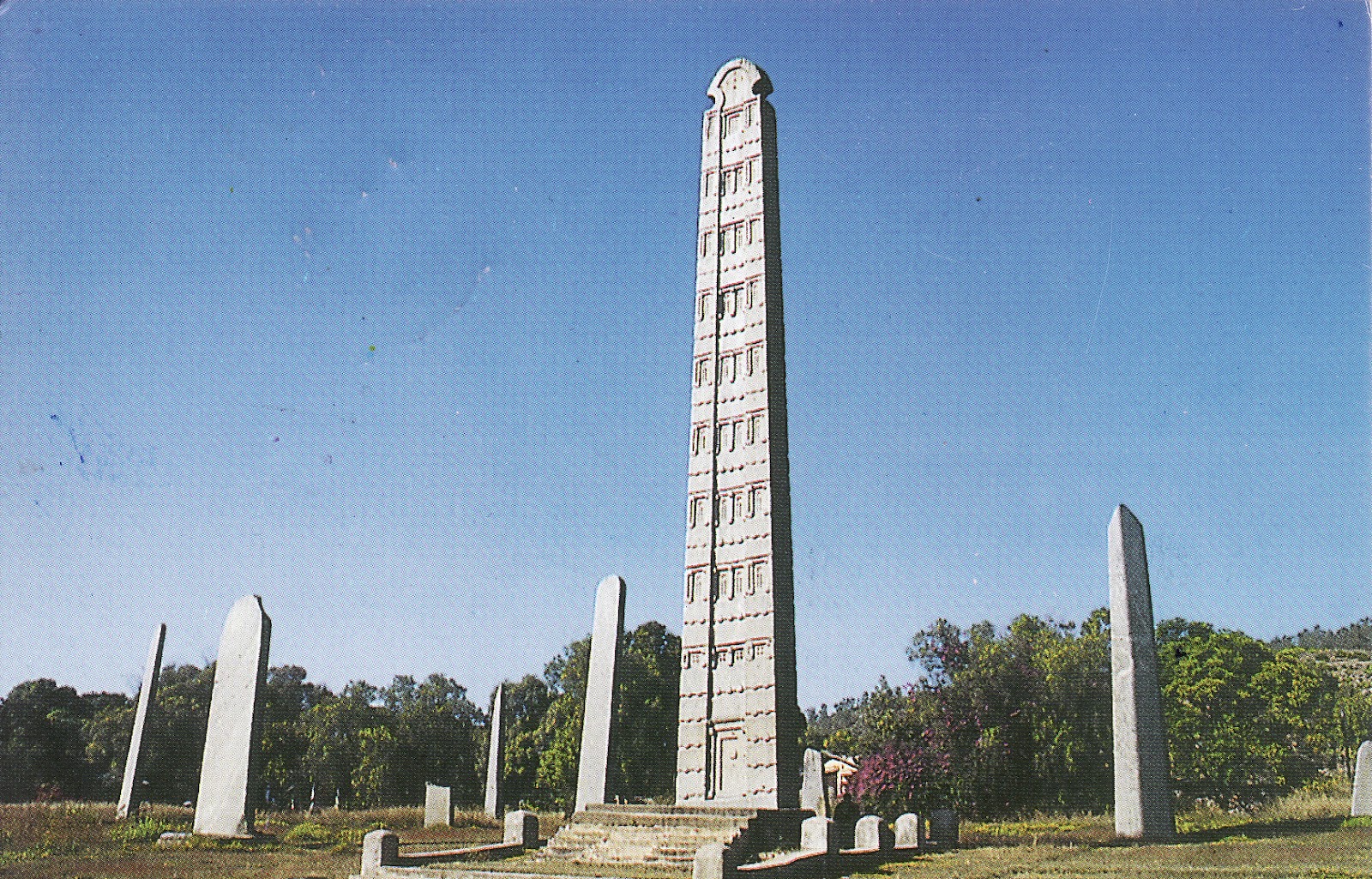
The ancient city of Aksum was once the center of one of Africa’s most powerful kingdoms. Located in northern Ethiopia, Aksum is famous for its giant stone obelisks.
Some of these monuments are among the largest pieces of stone ever carved in the ancient world. The purpose and construction of these structures continue to interest historians. Aksum was also an important center of trade and religion.
The city shows the advanced achievements of ancient African civilizations.
12. The Eye of the Sahara, Mauritania
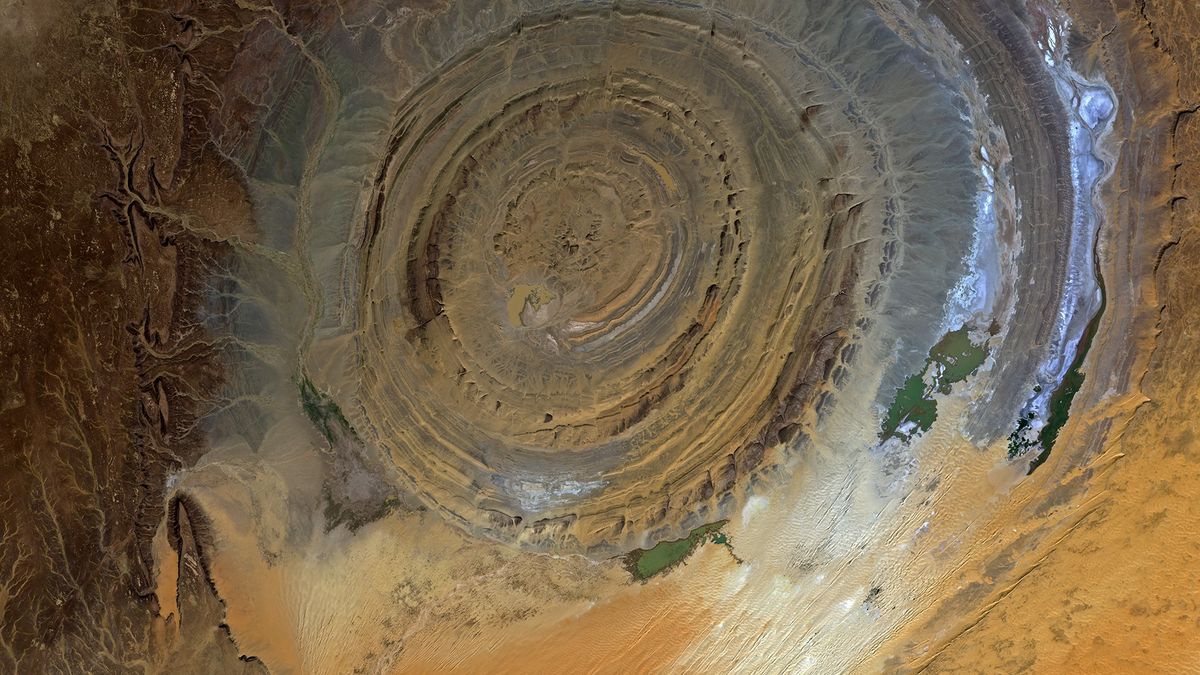
One of Africa’s most unusual natural features is the Richat Structure, commonly called the Eye of the Sahara. Located in Mauritania, this massive circular formation is visible from space.
For decades, some people believed it was the remains of an ancient lost city. Scientists now understand it as a natural geological formation created through millions of years of changes in the Earth’s surface.
Even with the scientific explanation, the structure remains breathtaking.
Its enormous size and perfect circular appearance make it one of Africa’s most mysterious landscapes.
Final Thoughts
Africa’s mysteries are not only found in ancient ruins or forgotten stories. They exist in landscapes, traditions and historical places that continue to inspire curiosity.
From the ancient walls of Great Zimbabwe to the strange beauty of the Danakil Depression, these destinations reveal a continent full of stories that are still being discovered.
Traveling to these places is not just about taking pictures. It is about understanding the civilizations, people and natural forces that shaped Africa over thousands of years.
In 2026, travelers searching for deeper experiences are looking beyond ordinary attractions and Africa’s mysterious places offer some of the most unforgettable journeys on Earth. Remember always visit my website Pathcresta for amazing travel tips and updates.

Mr Derek is the founder and editor of Pathcresta. He specializes in travel, tourism, and destination content, producing accurate, informative and practical guides that help readers explore attractions, plan trips and discover unique experiences across Nigeria and around the world.