Best Places to See Lions in Africa: 12 Incredible Safari Destinations
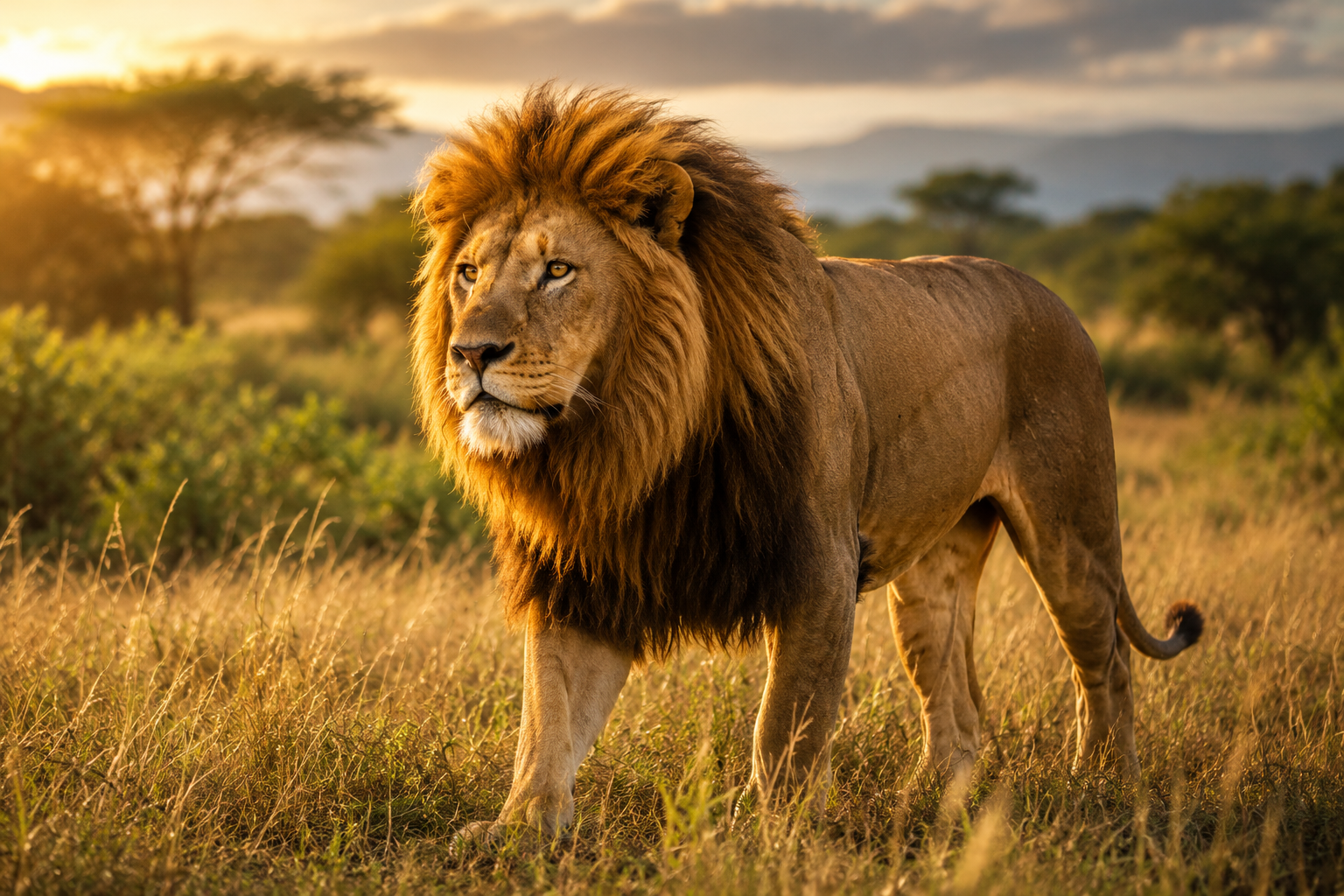
Few wildlife experiences compare to watching a lion roam freely across the African savannah. Whether it’s a powerful male surveying his territory, a pride resting beneath an acacia tree or lionesses working together during a hunt, these moments are unforgettable and are often the highlight of an African safari.
Popularly Known as the “King of the Jungle” despite living mainly in grasslands and open woodlands, the African lion is one of the continent’s most iconic animals. Its presence symbolizes the wild beauty of Africa and draws millions of visitors and tourist every year.
Africa is home to the world’s largest remaining wild lion populations, although their numbers have declined significantly over the past few decades because of habitat loss, human wildlife conflict and illegal poaching. Thankfully, various national parks and conservation areas continue to protect these magnificent animals, giving travelers the chance to see them in their natural habitat while supporting wildlife conservation through tourism.
If you’re planning a safari, choosing the right destination can make all the difference. Some parks offer exceptional opportunities to witness lions every day, while others provide more exclusive, less crowded wildlife experiences.
This guide highlights some of Africa’s finest destinations for seeing lions and explains what makes each one unique.
Why Africa Is the Best Place to See Lions
The African lion (Panthera leo) is found across several countries in sub-Saharan Africa, primarily within protected national parks and wildlife reserves.
These parks provide ideal habitats consisting of:
- Vast grasslands
- Open savannahs
- Woodlands
- Rivers and wetlands
- Healthy populations of prey such as zebras, wildebeests, buffaloes, antelopes, and giraffes
Unlike zoos, African safaris allow visitors to observe lions behaving naturally resting during the heat of the day, interacting within their pride, defending territories or hunting during the early morning and evening hours.
Every safari is different, making each wildlife encounter genuinely exciting.
What Makes a Great Lion Safari?
Not every safari destination offers the same experience.
The best places to see lions usually have several important features:
- Large protected ecosystems
- Healthy lion populations
- Experienced safari guides
- Well-managed conservation programs
- Diverse wildlife
- Comfortable accommodation options
- Reliable road networks or guided game drives
These factors increase your chances of memorable wildlife sightings while helping protect the environment.
1. Maasai Mara National Reserve, Kenya
The Maasai Mara National Reserve is often considered one of the finest places on Earth to see lions. Located in southwestern Kenya, this world famous reserve forms part of the larger Serengeti ecosystem and supports one of Africa’s healthiest lion populations.
Visitors regularly encounter prides resting beneath acacia trees, stalking prey across open plains or interacting with cubs in the grasslands. One reason lion sightings are so frequent is the incredible abundance of wildlife found throughout the reserve.
The Maasai Mara is also famous for the Great Migration, when more than a million wildebeest, accompanied by zebras and gazelles, cross between Tanzania and Kenya in search of fresh grazing land. This annual event provides lions with plentiful hunting opportunities and creates some of the most spectacular wildlife scenes anywhere in the world.
Besides lions, visitors often spot:
- Leopards
- Cheetahs
- African elephants
- Buffaloes
- Hyenas
- Hippos
- Crocodiles
Best Time to Visit
The best months are July to October, when the Great Migration reaches the reserve and wildlife viewing is at its peak.
2. Serengeti National Park, Tanzania
Sharing an ecosystem with Kenya’s Maasai Mara, Serengeti National Park is another outstanding destination for lion lovers. Covering nearly 15,000 square kilometres, it is one of Africa’s largest and most celebrated national parks.
The Serengeti supports thousands of lions spread across its vast plains, making sightings remarkably common during guided game drives. Unlike some smaller parks, the Serengeti offers an authentic wilderness experience where visitors can watch lions behaving naturally over enormous landscapes.
One of the most fascinating sights is watching lionesses cooperate during hunts, using teamwork to stalk wildebeest or zebra before launching a coordinated attack.
The park is also renowned for its spectacular sunsets, endless golden grasslands and exceptional photography opportunities.
Wildlife You May See
- Lions
- Leopards
- Cheetahs
- Elephants
- Giraffes
- Wildebeests
- Zebras
- Hyenas
- Jackals
Best Time to Visit
Although wildlife viewing is excellent year round, June through October generally offers the easiest game viewing because vegetation is shorter and animals gather around water sources.
3. Kruger National Park, South Africa
South Africa’s Kruger National Park is one of Africa’s oldest and most accessible safari destinations. Established in 1898, the park protects nearly 20,000 square kilometres of diverse ecosystems and supports hundreds of lion prides.
Kruger is especially attractive to first-time safari visitors because of its excellent road network, comfortable lodges, knowledgeable guides and well-developed tourism infrastructure.
Unlike lot’s of safari destinations that require guided vehicles, parts of Kruger can be explored through carefully managed self-drive safaris, allowing visitors greater flexibility.
The park forms part of the famous Big Five, meaning visitors have opportunities to see:
- Lions
- Leopards
- Elephants
- Rhinos
- Buffaloes
Kruger also hosts cheetahs, wild dogs, giraffes, hippos, crocodiles and more than 500 bird species. Morning game drives often provide the best opportunities to observe lions before temperatures rise.
Best Time to Visit
The dry season between May and September generally offers the highest wildlife visibility.
4. Okavango Delta, Botswana
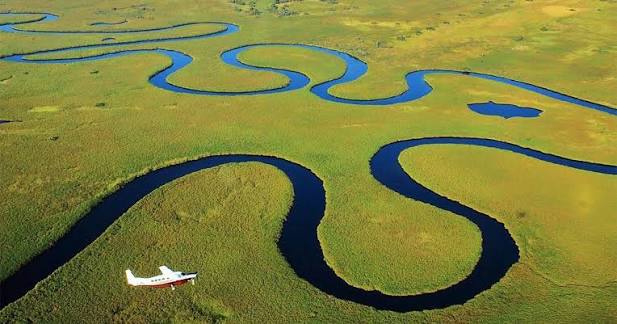
Unlike many traditional safari parks dominated by open plains, Botswana’s Okavango Delta presents a completely different landscape. This remarkable UNESCO World Heritage Site consists of wetlands, seasonal floodplains, islands, lagoons and grasslands that support incredible biodiversity.
Lions living in the Okavango have adapted to this watery environment and are even known to swim between islands, a behavior rarely observed elsewhere.
Because Botswana limits visitor numbers in various safari areas, the experience often feels more exclusive than in some busier destinations. Game drives, walking safaris and traditional mokoro (dugout canoe) excursions offer unique ways to experience the delta.
Visitors frequently encounter:
- Lions
- Leopards
- African wild dogs
- Elephants
- Buffaloes
- Hippos
- Crocodiles
For wildlife photographers seeking dramatic and intimate encounters, the Okavango Delta is among Africa’s premier destinations.
5. South Luangwa National Park, Zambia
Often described as one of Africa’s best kept safari secrets, South Luangwa National Park offers exceptional opportunities to see lions in a less crowded environment.
Located in eastern Zambia, the park is famous for its high concentration of wildlife and its pioneering role in walking safaris. Here, experienced guides lead visitors through the bush, providing a deeper understanding of the ecosystem while maintaining a safe distance from wildlife.
Lions thrive in South Luangwa thanks to the abundance of prey, including impalas, puku, buffaloes and zebras. Morning and evening game drives frequently reward visitors with sightings of prides resting in the shade or becoming active as temperatures cool.
Besides lions, visitors may encounter:
- African leopards
- African wild dogs
- Elephants
- Thornicroft’s giraffes
- Hippos
- Crocodiles
- Over 400 bird species
Best Time to Visit
The dry season, from June to October, offers the best wildlife viewing as animals gather near the Luangwa River and surrounding waterholes.
6. Etosha National Park, Namibia
Situated in northern Namibia, Etosha National Park is one of Africa’s most distinctive wildlife destinations.
Unlike the lush landscapes of East Africa, Etosha is characterized by vast salt pans, open savannahs and scattered waterholes that attract wildlife throughout the dry season.
This unique environment makes lion sightings surprisingly reliable. Instead of searching through dense vegetation, visitors often observe lions resting near waterholes while waiting for antelopes, zebras, springboks and other animals to approach.
Etosha is particularly popular with photographers because the open terrain provides excellent visibility and dramatic landscapes.
Other wildlife includes:
- Black rhinos
- Elephants
- Giraffes
- Cheetahs
- Leopards
- Hyenas
- Oryx
- Wildebeests
Best Time to Visit
The ideal period is May to October, when wildlife gathers around permanent water sources.
7. Hwange National Park, Zimbabwe
Zimbabwe’s Hwange National Park is also considered as one of southern Africa’s premier safari destinations and an excellent place to observe lions in the wild. Covering more than 14,000 square kilometres, the park supports a healthy population of predators alongside one of Africa’s largest elephant populations.
The combination of open grasslands, woodlands and seasonal waterholes creates ideal hunting grounds for lions. Game drives often reveal prides relaxing beneath trees during the afternoon before becoming more active at sunset.
Best Time to Visit
July to October offers the highest chances of wildlife sightings.
8. Queen Elizabeth National Park, Uganda
Although Uganda is best known for mountain gorillas, Queen Elizabeth National Park is also famous for its remarkable tree-climbing lions. These unusual lions are frequently spotted resting on the branches of large fig trees in the Ishasha sector of the park.
Scientists believe this behavior helps them escape insects, stay cool, and gain a better view of their surroundings. This rare phenomenon attracts photographers and wildlife enthusiasts from around the world.
Best Time to Visit
The dry months of June to September and December to February generally provide the best safari conditions.
9. Kgalagadi Transfrontier Park, Botswana and South Africa
Stretching across Botswana and South Africa, the Kgalagadi Transfrontier Park offers one of Africa’s most unique lion-viewing experiences.
The park is home to the famous black-maned Kalahari lions, known for their impressive appearance and adaptation to harsh desert conditions.
The striking contrast between the reddish sand dunes and these magnificent predators creates unforgettable safari photographs.
Best Time to Visit
The dry season between May and September provides excellent wildlife viewing.
10. Ruaha National Park, Tanzania
Often overshadowed by the Serengeti, Ruaha National Park is one of Tanzania’s hidden wildlife treasures. It supports one of East Africa’s largest lion populations, yet receives far fewer visitors than many famous parks.
This means tourists can enjoy quieter game drives while still experiencing exceptional wildlife encounters. Ruaha’s varied landscapes include rocky hills, baobab forests, rivers and open plains, creating a rich habitat for predators and prey alike.
Best Time to Visit
The dry season from June to October offers outstanding opportunities to spot lions.
11. Chobe National Park, Botswana
Although Chobe is internationally known for its enormous elephant herds, it is also an excellent destination for observing lions. The park’s riverfront attracts large concentrations of herbivores, providing abundant hunting opportunities for predators.
Boat safaris along the Chobe River offer a different perspective, allowing visitors to watch wildlife from the water.
Best Time to Visit
May through October is considered the best period for wildlife viewing.
12. Ngorongoro Conservation Area, Tanzania
The Ngorongoro Crater is one of Africa’s most spectacular safari destinations. Formed inside a massive volcanic caldera, this UNESCO World Heritage Site contains a dense concentration of wildlife within a relatively small area.
The crater supports a healthy lion population alongside elephants, buffaloes, zebras, wildebeests, hyenas and black rhinos. Because animals rarely leave the crater, visitors enjoy excellent chances of seeing multiple lion prides during a single game drive.
Best Time to Visit
Wildlife viewing is excellent throughout the year, although June to October generally offers the clearest conditions.
Best Time to See Lions in Africa
While lions can be seen year-round in many parks, the dry season usually provides the best opportunities.
During these months:
- Vegetation becomes thinner, making animals easier to spot.
- Water sources become limited, attracting wildlife to predictable locations.
- Roads are generally easier to navigate.
- Weather conditions are more comfortable for game drives.
Early mornings and late afternoons are usually the most active periods for lions.
Safari Safety Tips
A safari is one of the safest ways to experience African wildlife when conducted responsibly.
To ensure a safe trip:
- Always follow your guide’s instructions.
- Remain inside safari vehicles unless told otherwise.
- Keep noise to a minimum around wildlife.
- Never feed or attempt to approach lions.
- Wear neutral-colored clothing.
- Carry sunscreen, drinking water, and a hat.
- Bring binoculars and a camera with a zoom lens.
- Respect park rules and conservation efforts.
Responsible tourism helps protect both wildlife and visitors.
How Much Does a Lion Safari Cost?
The cost of an African safari varies depending on the country, season, accommodation and level of luxury.
As a general guide:
- Budget safaris: Approximately US$150–300 per person per day.
- Mid-range safaris: Around US$300–700 per person per day.
- Luxury safaris: Often US$700–2,000+ per person per day, with some exclusive lodges costing even more.
These estimates may include accommodation, meals, park fees and guided game drives, but inclusions vary by operator. Always confirm what is covered before booking.
Conservation and Responsible Tourism
African lion populations have declined significantly over the past century due to habitat loss, illegal hunting and conflicts with humans.
Numerous national parks and conservation organizations are working to reverse this trend through habitat protection, anti poaching patrols, scientific research and community partnerships.
By choosing licensed safari operators and respecting park regulations, visitors directly contribute to these conservation efforts. Responsible tourism not only creates unforgettable experiences but also supports the long-term survival of Africa’s iconic wildlife.
Frequently Asked Questions
Which country has the most lions in Africa?
Tanzania is widely recognized as having one of the largest wild lion populations in Africa, with significant numbers found in protected areas such as Serengeti National Park, Ruaha National Park and the Ngorongoro Conservation Area.
What is the best safari destination for first-time visitors?
The Maasai Mara in Kenya, Serengeti National Park in Tanzania and Kruger National Park in South Africa are excellent choices for first time safari travelers because of their abundant wildlife and well developed tourism infrastructure.
When is the best time to see lions?
The dry season, typically between June and October in many parts of Africa, offers some of the best wildlife viewing opportunities.
Are lion safaris safe?
Yes. Guided safaris in reputable national parks are generally safe when visitors follow instructions from experienced guides and adhere to park rules.
Can I see the Big Five during a lion safari?
Yes. A lot of parks featured in this guide are home to the Big Five lion, leopard, elephant, rhinoceros and buffalo, giving visitors the chance to see several iconic African animals during one trip.
Conclusion
Few travel experiences rival the excitement of seeing wild lions in their natural habitat. Whether you’re watching a pride cross the endless plains of the Serengeti, spotting tree climbing lions in Uganda, photographing black maned lions in the Kalahari or witnessing a dramatic sunrise over Kenya’s Maasai Mara, each destination offers its own unforgettable encounter.
The best places to see lions in Africa are more than just wildlife hotspots, they are vital conservation areas that protect one of the world’s most iconic species. Visiting these parks with responsible safari operators not only creates lasting memories but also supports conservation efforts and local communities that depend on sustainable tourism.
If you’re dreaming of an African safari, choosing any of the destinations featured in this guide will bring you closer to one of nature’s greatest spectacles and provide an adventure you’ll remember for a lifetime. Always remember to visit our official website Pathcresta for more travel information an tips.

Mr Derek is the founder and editor of Pathcresta. He specializes in travel, tourism, and destination content, producing accurate, informative and practical guides that help readers explore attractions, plan trips and discover unique experiences across Nigeria and around the world.