
Is Nigeria Safe for Tourists? A Complete Travel Safety Guide (2026)
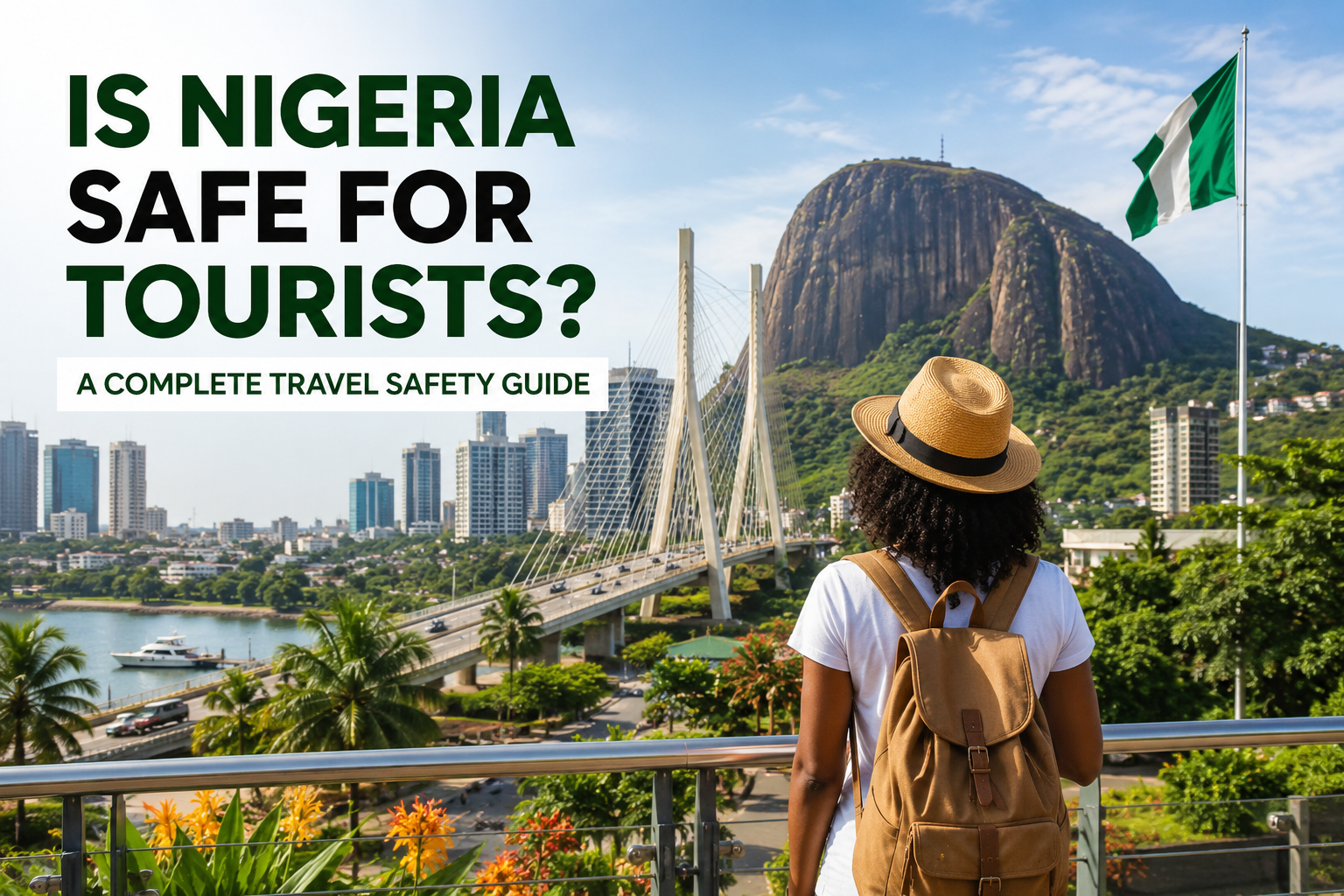
Nigeria is one of Africa’s most fascinating destinations. Home to more than 230 million people, over 250 ethnic groups, diverse landscapes and vibrant cultures, the country offers travelers and tourists unforgettable experiences. From the bustling streets of Lagos to the scenic hills of Obudu, the ancient city walls of Kano, the rainforests of Cross River and the waterfalls of Enugu, Nigeria has something for every type of traveler.
Yet one question continues to appear in search engines more than almost any other travel related query:
Is Nigeria safe for tourists?
The answer isn’t simply “yes” or “no.”
Like several large countries, Nigeria has areas that are considered relatively safe for tourism and others where extra caution or avoiding travel altogether is advisable. Safety depends on where you travel, when you travel, how you plan your trip, and whether you follow sensible precautions.
Millions of Nigerians travel safely across the country every year and thousands of international visitors come for business, family visits, cultural events, conferences, wildlife experiences and tourism. A lot leave with positive memories, especially when they research their destinations carefully and make informed decisions
This guide explains what visitors should know about traveling in Nigeria today, including regional differences, transportation, accommodation, personal safety and practical tips that can help make your trip enjoyable.
Understanding Safety in Nigeria
Nigeria is Africa’s largest economy and one of its most influential countries. However, because of its size and diversity, safety conditions vary significantly from one region to another. It would be inaccurate to describe the entire country as either completely safe or completely unsafe.
Some cities receive thousands of visitors every week without incident, while certain locations experience security challenges that require travelers to avoid unnecessary risks. This is why experienced travelers always plan according to their specific destination rather than relying on general assumptions about the country as a whole.
Which Parts of Nigeria Are Popular With Tourists?
Many of Nigeria’s bestknown tourist destinations continue to attract visitors throughout the year.
Popular destinations include:
- Lagos
- Abuja
- Calabar
- Enugu
- Uyo
- Jos
- Obudu Mountain Resort
- Yankari National Park
- Olumo Rock
- Idanre Hills
- Lekki Conservation Centre
- Erin Ijesha Waterfall
- Awhum Waterfall
- Ngwo Pine Forest
- Osun-Osogbo Sacred Grove
These destinations are generally visited without problems by both domestic and international travelers, although normal travel precautions remain important.
Areas That Require Extra Caution
Like numerous countries, Nigeria has regions where security concerns are more significant. Some areas have experienced issues related to armed criminal activity, kidnapping, communal conflicts or insurgency. Conditions can change over time, so travelers should always consult the latest travel advisories issued by their own government before planning a trip.
Rather than assuming every destination carries the same level of risk, focus on the specific city or state you intend to visit and seek current local information.
Is Lagos Safe for Tourists?
Lagos is considered the Nigeria’s largest city and the country’s commercial hub. Every year, millions of people move around Lagos for business, entertainment, shopping and tourism.
Popular attractions include:
- Lekki Conservation Centre
- Nike Art Gallery
- Tarkwa Bay Beach
- Landmark Beach
- Freedom Park
- National Museum Lagos
Like any major city, Lagos experiences petty crimes such as phone theft and pickpocketing, particularly in crowded places. Visitors should avoid displaying expensive jewelry, carrying large amounts of cash openly or using their phones carelessly in unfamiliar areas
Using registered ride-hailing services and staying in reputable neighborhoods can significantly improve your travel experience.
Is Abuja Safe?
Abuja is often regarded as one of Nigeria’s more organized cities. The capital features wide roads, modern infrastructure, government institutions, luxury hotels and popular attractions such as Zuma Rock, Millennium Park and Jabi Lake.
Tourists generally find Abuja comfortable to explore, especially during daylight hours.
Nevertheless, the same basic safety habits that apply in any major city should always be followed.
Transportation Safety
Getting around Nigeria has become easier in recent years thanks to improved transport options. Visitors can choose between domestic flights, taxis, ridehailing services, buses and car rentals. For most tourists, domestic flights remain the fastest and safest option when traveling between major cities in Nigeria
Within cities, services like Uber, Bolt and other reputable ridehailing platforms are generally preferred over accepting rides from unknown drivers.
If traveling by road over long distances, daytime travel is usually recommended instead of overnight journeys.
Choosing Safe Accommodation
Where you stay plays a major role in your overall travel experience.
Choose hotels, guest houses or apartments with:
- Good online reviews
- Secure entrances
- 24-hour reception
- Reliable electricity
- Backup power
- Good lighting
- Positive reputation
- Convenient location
Spending slightly more on accommodation often provides better security and peace of mind.
Personal Safety Tips
Most travel safety comes down to common sense.
Simple habits can greatly reduce risk.
These include:
- Avoid walking alone late at night.
- Keep valuables out of sight.
- Use official transportation.
- Inform someone of your travel plans.
- Carry identification.
- Stay aware of your surroundings.
- Avoid isolated areas after dark.
- Follow local advice.
These recommendations are not unique to Nigeria, they apply in many destinations around the world.
Health and Medical Considerations
Before traveling, visitors should ensure they have comprehensive travel insurance that includes medical coverage. Depending on your country of origin, certain vaccinations may be recommended or required before entering Nigeria. It’s best to consult official health authorities or your healthcare provider before departure.
Mosquitoes are common in some parts of Nigeria, so travelers should take steps to reduce the risk of mosquito bites by using insect repellent, sleeping under treated mosquito nets where appropriate and wearing protective clothing in the evenings.
It’s also advisable to drink safe, clean water and maintain good food hygiene throughout your trip.
Respecting Local Culture
Nigeria is culturally diverse, and respecting local customs can make your visit more enjoyable.
Dress modestly when visiting religious sites, ask permission before photographing people and be mindful of local traditions.
Learning a few greetings in the local language of the area you’re visiting is often appreciated and can create positive interactions with residents.
Internet, Money, and Communication
Mobile networks are widely available in major cities and many hotels, restaurants and cafés offer Wi-Fi. While electronic payments are increasingly common, carrying a reasonable amount of cash for smaller purchases can be helpful, especially outside major urban centers.
Avoid exchanging money through unofficial channels. Instead, use banks, licensed exchange services or trusted financial institutions.
Are Solo Travelers Safe in Nigeria?
Solo travel is possible in Nigeria, but it requires thoughtful planning. Choosing popular destinations, staying in reputable accommodations, avoiding isolated areas and maintaining regular contact with friends or family can make solo travel more comfortable.
Lot’s of solo travelers also find guided tours useful, especially when visiting natural attractions or historic sites for the first time.
Is Nigeria Worth Visiting?
Despite the headlines that often dominate international news, Nigeria offers experiences that cannot be found anywhere else. Visitors are welcomed by incredible hospitality, diverse cuisines, colorful festivals, breathtaking landscapes, lively music and rich cultural heritage.
Whether you’re exploring the peaceful surroundings of Awhum Waterfall, climbing Olumo Rock, enjoying the beaches of Lagos, hiking through national parks or attending a traditional festival, Nigeria offers memorable experiences for travelers willing to plan carefully.
No destination is entirely free from risk, but informed travelers who follow practical safety advice often enjoy rewarding trips.
Frequently Asked Questions
Is Nigeria safe for first-time tourists?
Yes, Lot’s of first-time visitors travel to Nigeria successfully. Careful planning, choosing reputable accommodations, using trusted transportation and staying informed about local conditions can help ensure a positive experience.
Which city is safest for tourists?
Safety varies depending on current conditions. Cities such as Abuja, Lagos, Uyo, Enugu and Calabar are popular with visitors, but travelers should always check up-to-date travel advice before visiting.
Is public transportation safe?
Ride-hailing services and reputable transport providers are generally preferred by tourists. For travel between cities, domestic flights are often the most convenient option, so if you have the money for domestic flight, it’s the best option.
Is travel insurance necessary?
Travel insurance is strongly recommended, as it can provide coverage for medical emergencies, trip interruptions and other unexpected situations.
Should tourists avoid traveling at night?
Whenever possible, long-distance road travel is best undertaken during daylight hours. Within cities, use trusted transportation if traveling after dark.
Conclusion
So, is Nigeria safe for tourists? The answer depends on where you travel and how well you prepare.
Nigeria is not a destination that should be judged by a single headline or broad generalization. It is a vast country with diverse regions, each offering different experiences and different safety considerations. While some areas require heightened caution, plenty of Nigeria’s most popular tourist destinations continue to welcome visitors every year.
Planning ahead, staying informed, booking reputable accommodation, using trusted transportation, respecting local customs and following official travel advice can significantly enhance your safety and overall experience.
For travelers seeking vibrant culture, stunning natural attractions, rich history and warm hospitality, Nigeria remains one of Africa’s most rewarding destinations. With sensible precautions and a well planned itinerary, you can discover a side of the country that many visitors remember long after their journey ends.
Remember, always visit Pathcresta for more travel information and tips.

Mr Derek is the founder and editor of Pathcresta. He specializes in travel, tourism, and destination content, producing accurate, informative and practical guides that help readers explore attractions, plan trips and discover unique experiences across Nigeria and around the world.


