20 Colonial-Era Buildings in Africa That Still Stand Today
Africa‘s colonial-era buildings are among the continent’s most fascinating historical landmarks. Although they were constructed during periods of European colonial rule, lot’s of these structures have outlived empires and now serve as museums, government offices, churches, hotels, universities and cultural centers. Their architecture reflects a blend of European design and local craftsmanship, telling stories of trade, politics, religion and the struggle for independence.
Today, these buildings attract travelers interested in history, architecture and cultural heritage. Walking through the streets where these landmarks stand offers a glimpse into Africa’s complex past while showcasing how many countries have preserved and repurposed these historic structures.
From grand government buildings and colonial forts to railway stations and elegant churches, here are 20 Colonial-Era Buildings in Africa That Still Stand Today proudly across Africa.
1. Union Buildings (South Africa)
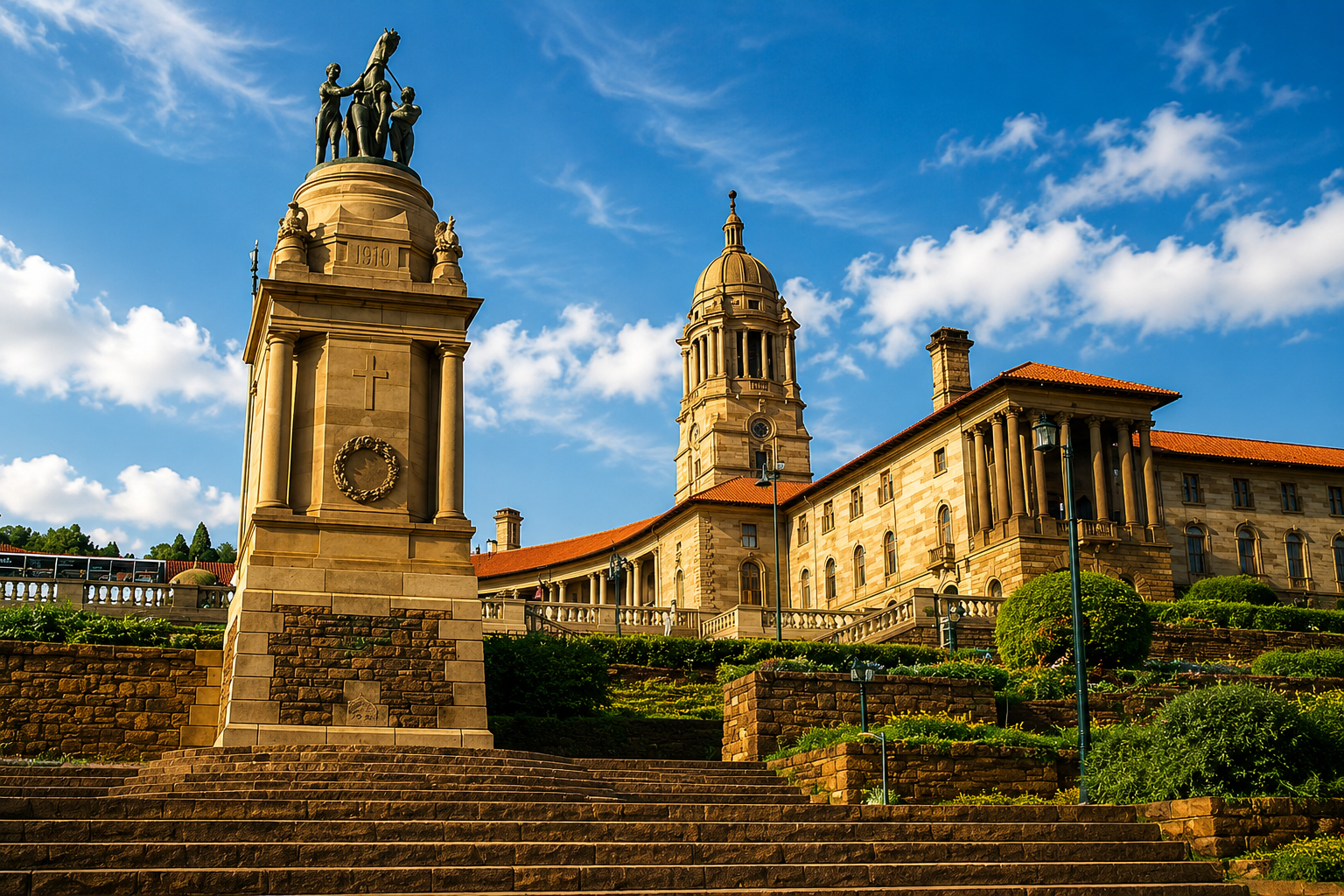
Located in Pretoria, the Union Buildings are among South Africa’s most recognizable landmarks. Designed by Sir Herbert Baker and completed in 1913, they house the offices of the President of South Africa.
The sandstone buildings, beautiful gardens and panoramic city views make this one of the country’s most visited historical sites. It also became internationally famous when Nelson Mandela was inaugurated here in 1994.
2. Cape Town City Hall (South Africa)
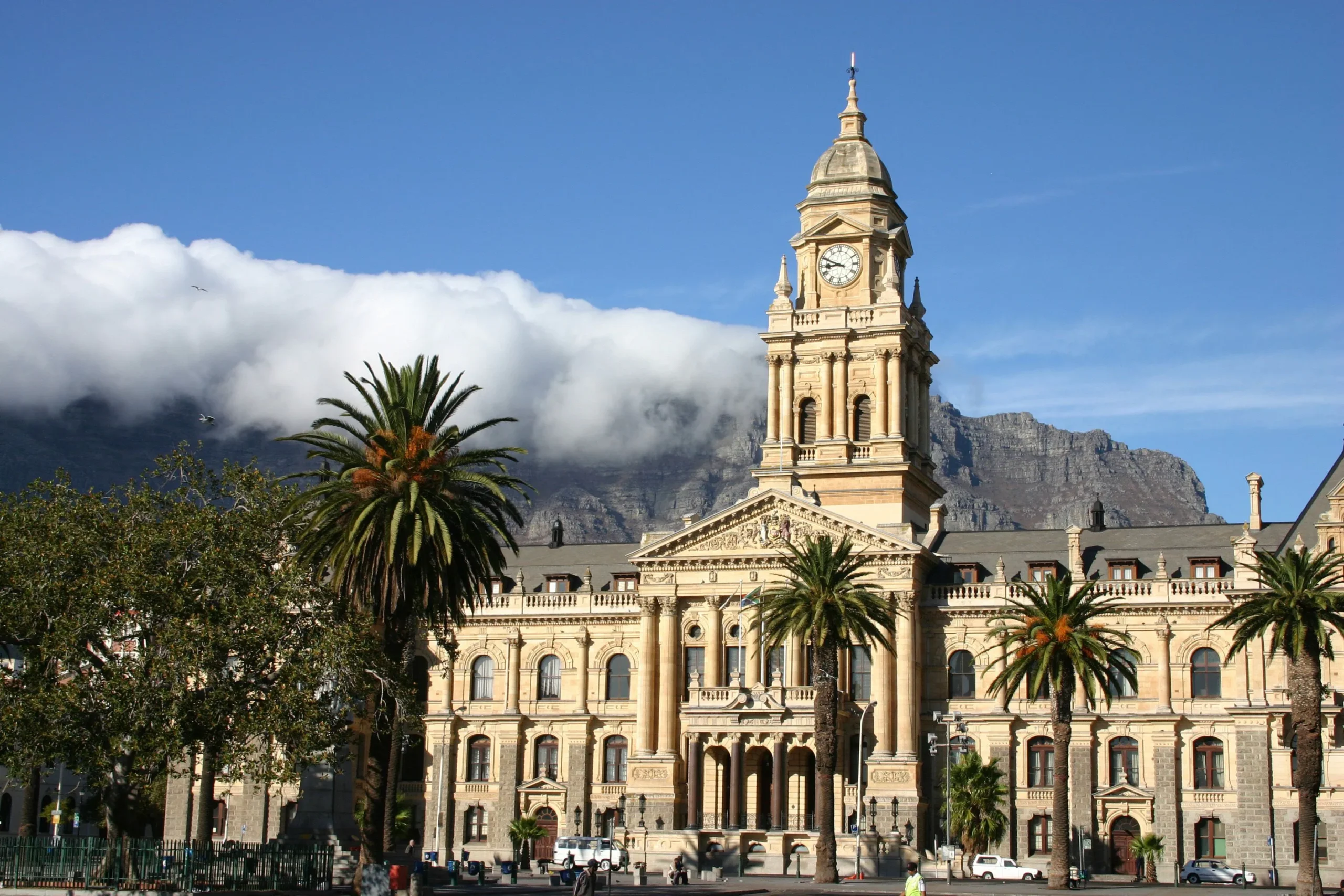
Completed in 1905, Cape Town City Hall is an outstanding example of Edwardian architecture. It gained worldwide recognition when Nelson Mandela delivered his first public speech from its balcony after his release from prison in 1990.
Today, the building remains one of Cape Town’s most important historical attractions.
3. Elmina Castle (Ghana)
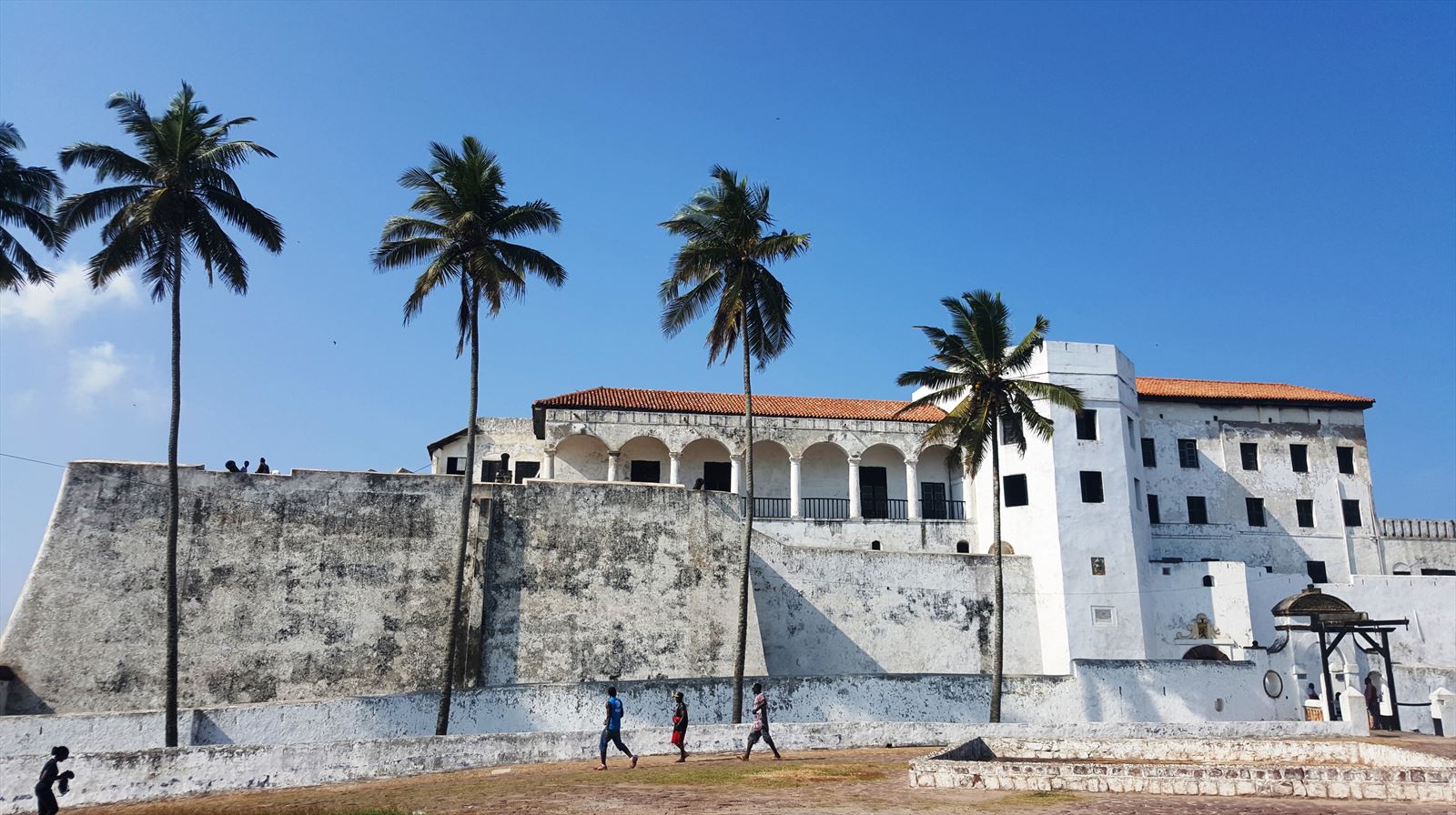
Built by the Portuguese in 1482, Elmina Castle is the oldest European building south of the Sahara. Originally established as a trading post, it later became one of the largest slave trading forts on the West African coast.
Today, it is a UNESCO World Heritage Site and museum visited by thousands every year.
4. Cape Coast Castle (Ghana)
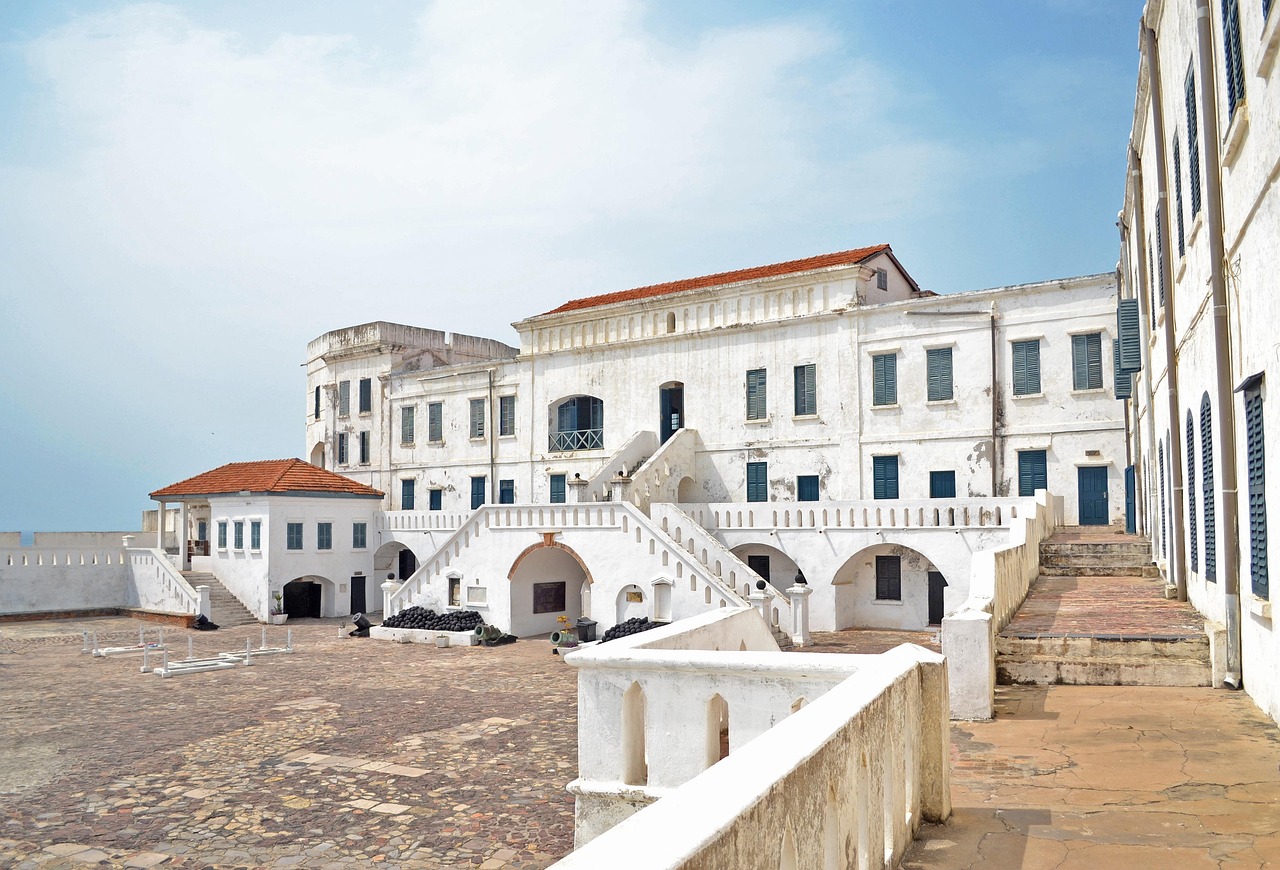
Another UNESCO-listed landmark, Cape Coast Castle played a major role during the transatlantic slave trade.
Visitors and ttourists can explore preserved dungeons, courtyards, museums and historical exhibitions that document one of the darkest chapters in human history.
5. Fort Jesus (Kenya)
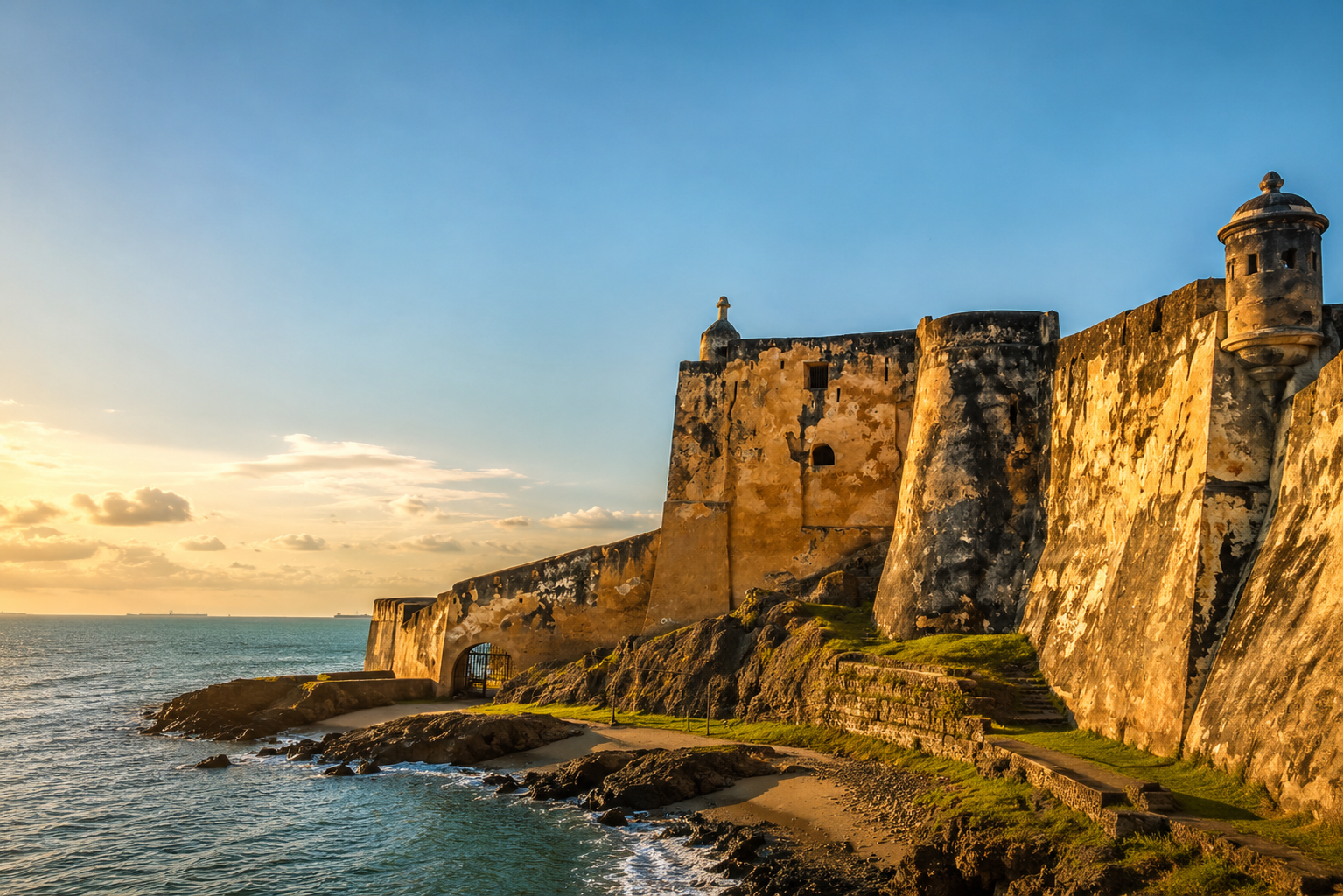
Standing in Mombasa since 1593, Fort Jesus was built by the Portuguese to protect their trade routes along the Indian Ocean.
Its massive stone walls, underground passages and museum make it one of East Africa’s finest colonial-era monuments.
6. Stone Town Buildings (Zanzibar, Tanzania)
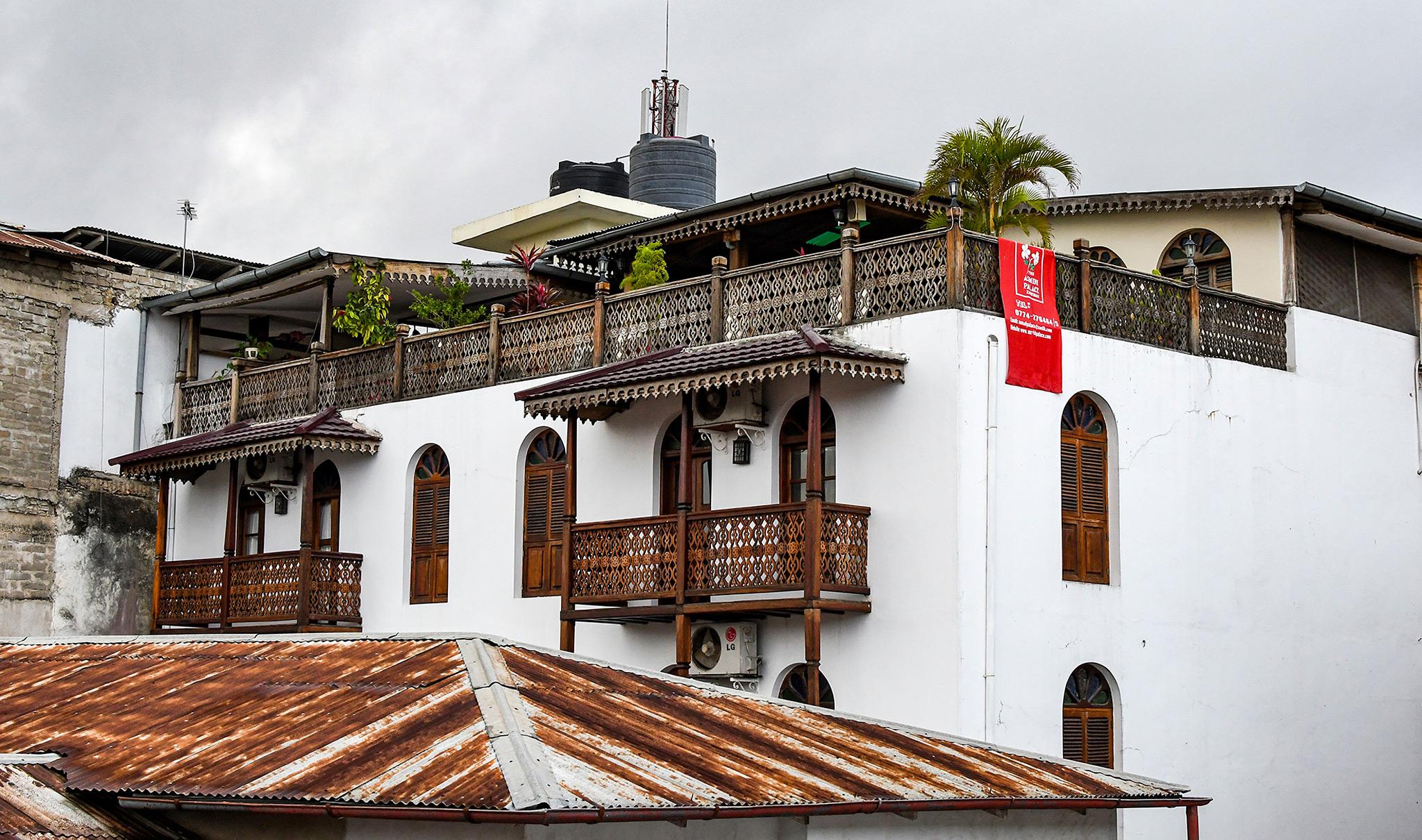
Stone Town features numerous colonial buildings constructed during Omani, Portuguese, British and German influence.
Historic houses, administrative offices, old customs buildings and merchant residences line its narrow streets, earning the area UNESCO World Heritage status.
7. Railway Station (Maputo, Mozambique)
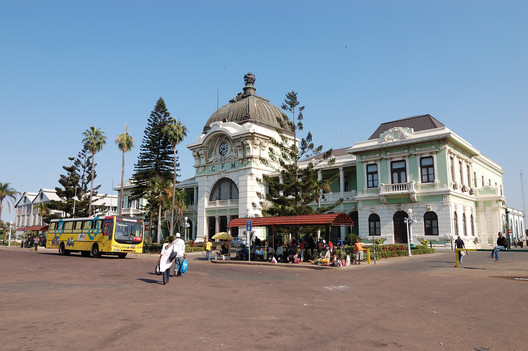
Maputo’s Central Railway Station is often regarded as one of the world’s most beautiful train stations.
Completed in the early 20th century during Portuguese rule, it features elegant green domes, grand arches and impressive wrought-iron details.
8. St. George’s Cathedral (Zimbabwe)
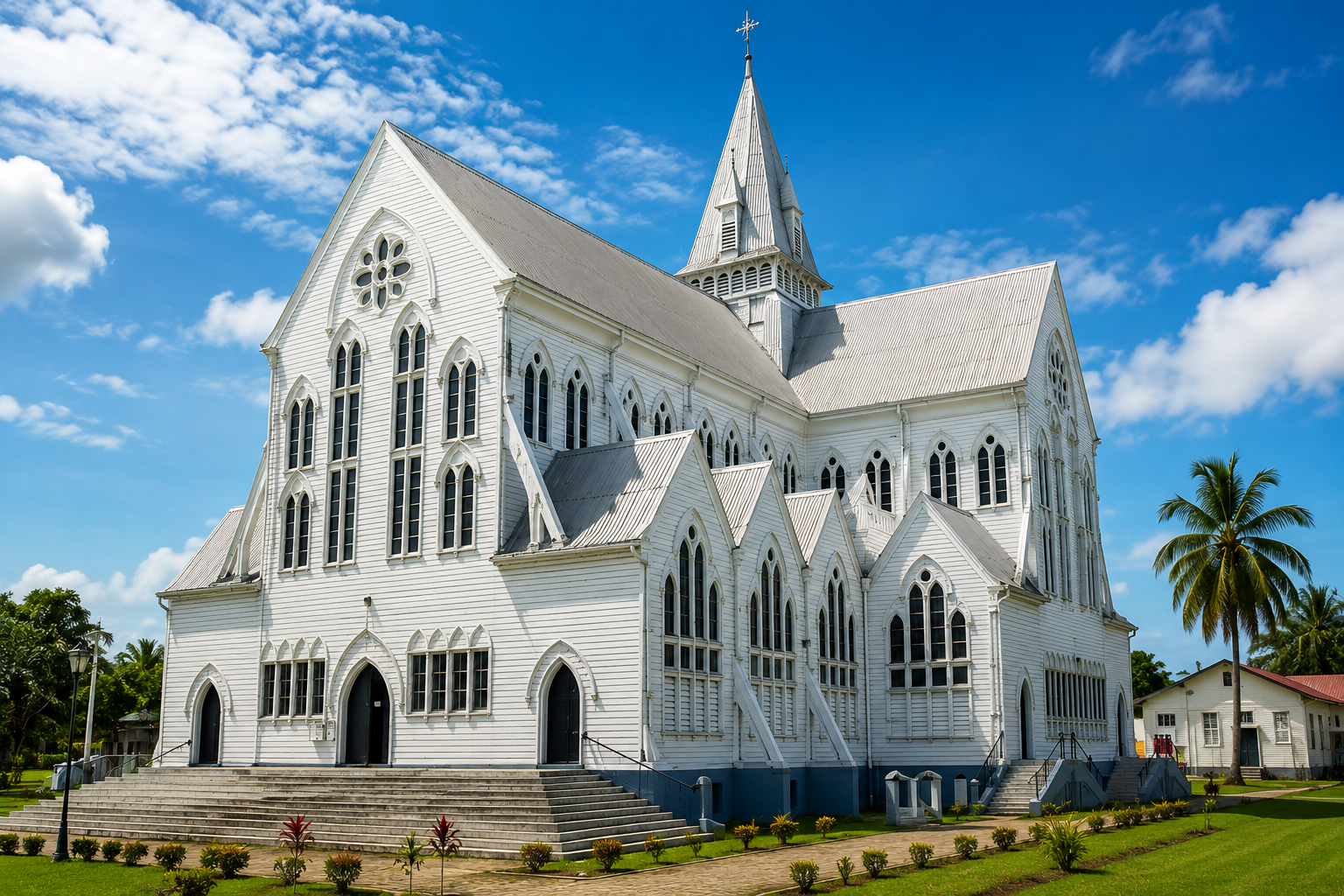
Located in Harare, St. George’s Cathedral was built during the British colonial era and remains one of Zimbabwe’s most beautiful Anglican churches.
Its Gothic architecture and stained glass windows continue to attract visitors.
9. Christ Church Cathedral (Nigeria)
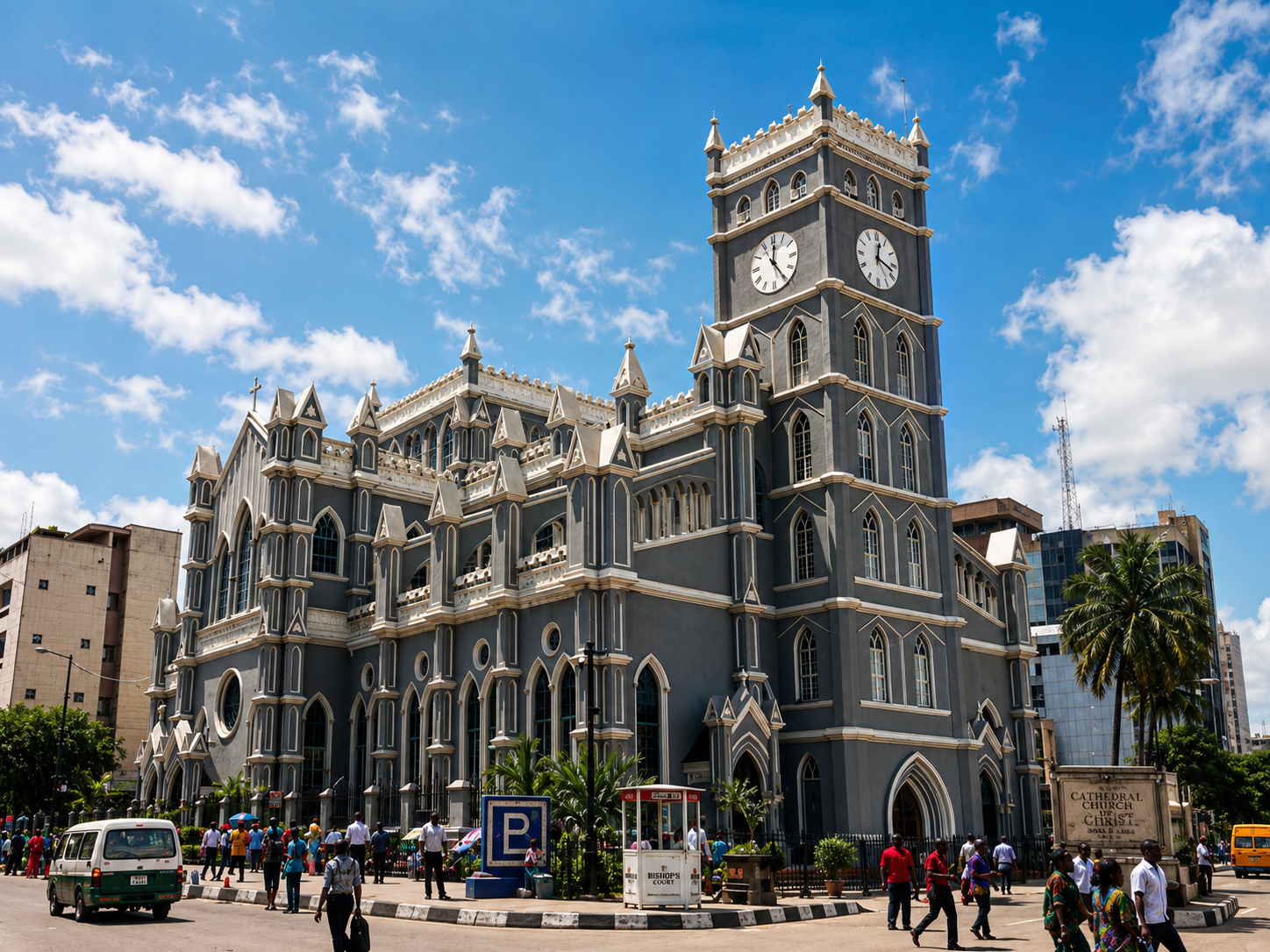
Situated on Lagos Island, Christ Church Cathedral dates back to the colonial period.
Its Gothic-inspired architecture and historical significance make it one of Nigeria’s best-known religious landmarks.
10. State House (Namibia)
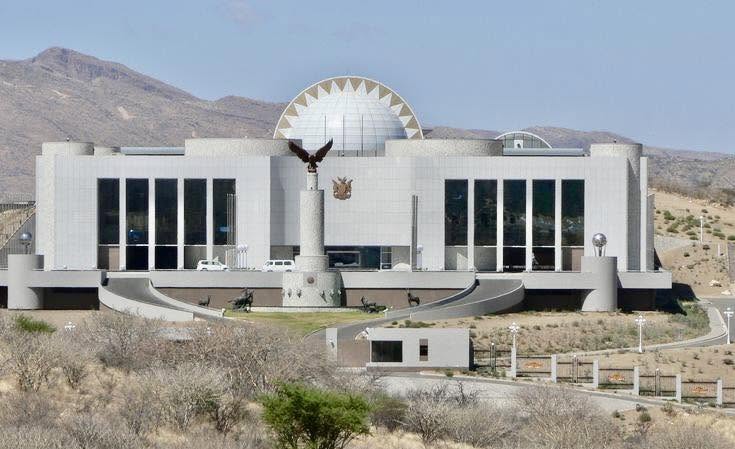
Originally constructed by the German colonial administration, Namibia’s former government buildings still showcase distinctive German architectural influences.
Several have been carefully preserved and continue serving public functions.
11. Governor’s Palace (Senegal)
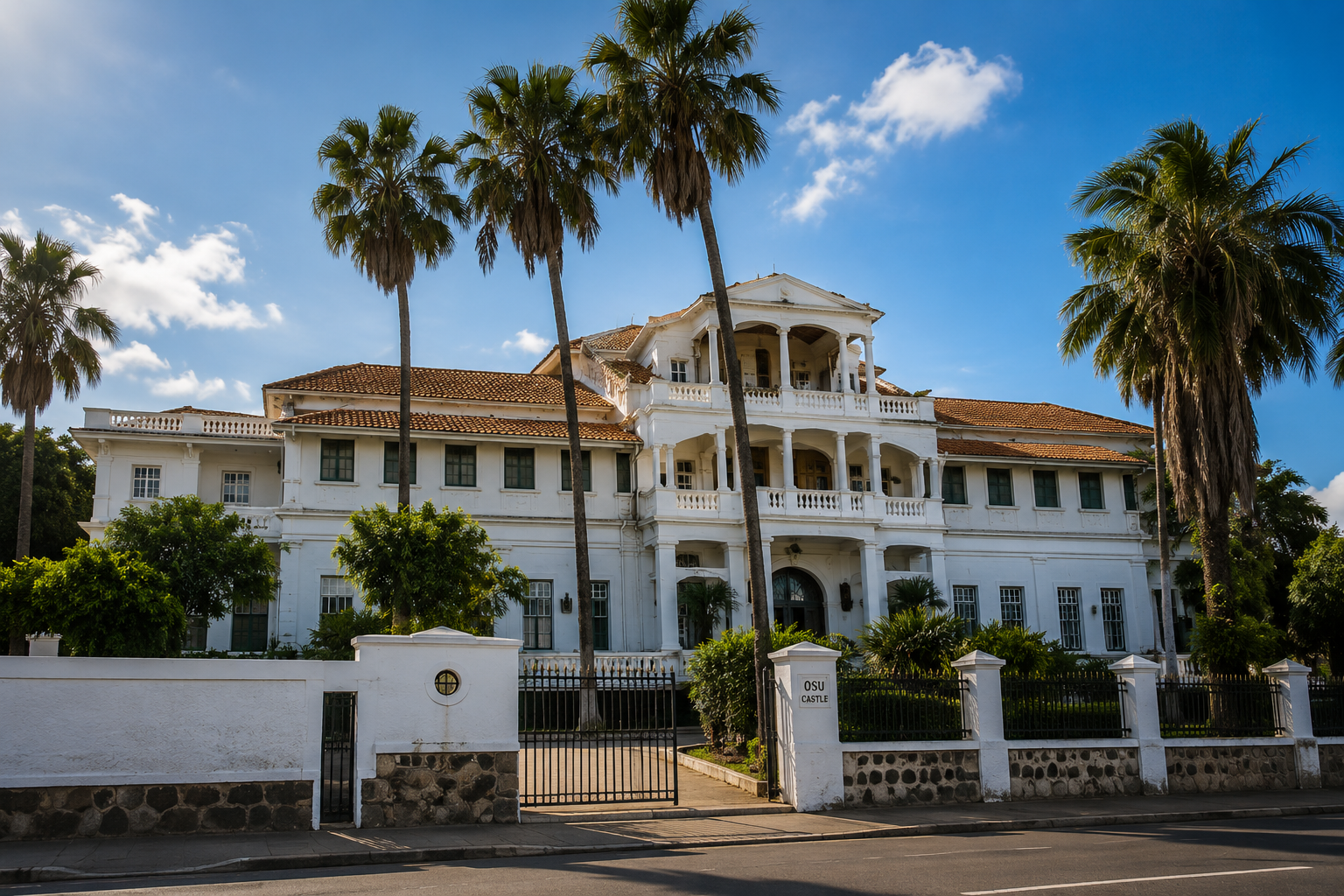
Located on Gorée Island, this elegant colonial residence reflects French architectural style and overlooks the Atlantic Ocean.
The surrounding streets remain among the best preserved examples of French colonial planning in West Africa.
12. Cathedral of Saint Louis (Senegal)
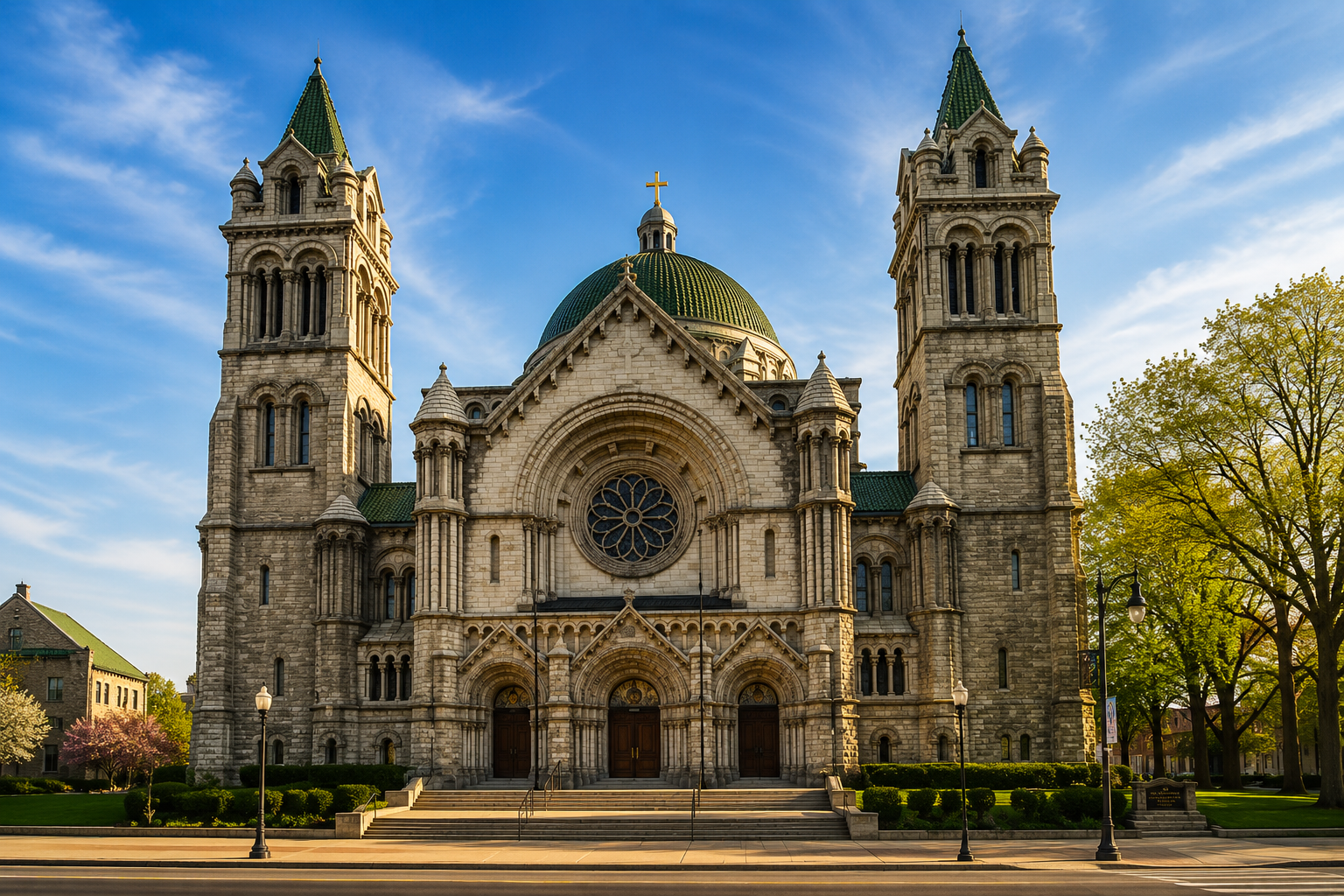
Built during the French colonial era, this cathedral remains an important religious and architectural landmark in Saint-Louis, one of West Africa’s oldest colonial cities.
13. Governor’s Palace (Madagascar)
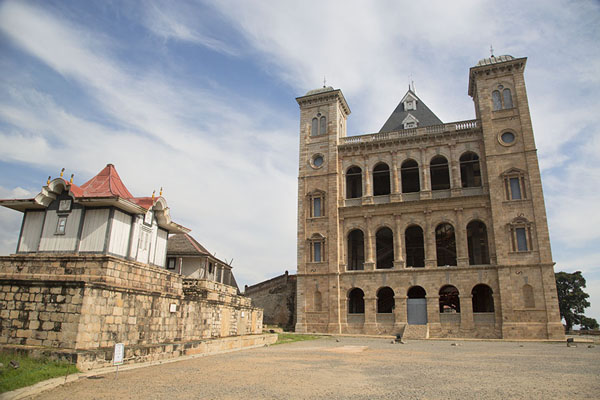
Found in Antananarivo, the palace combines European architectural influence with traditional Malagasy design.
It remains one of Madagascar’s most historically significant buildings
14. Parliament Building (Uganda)
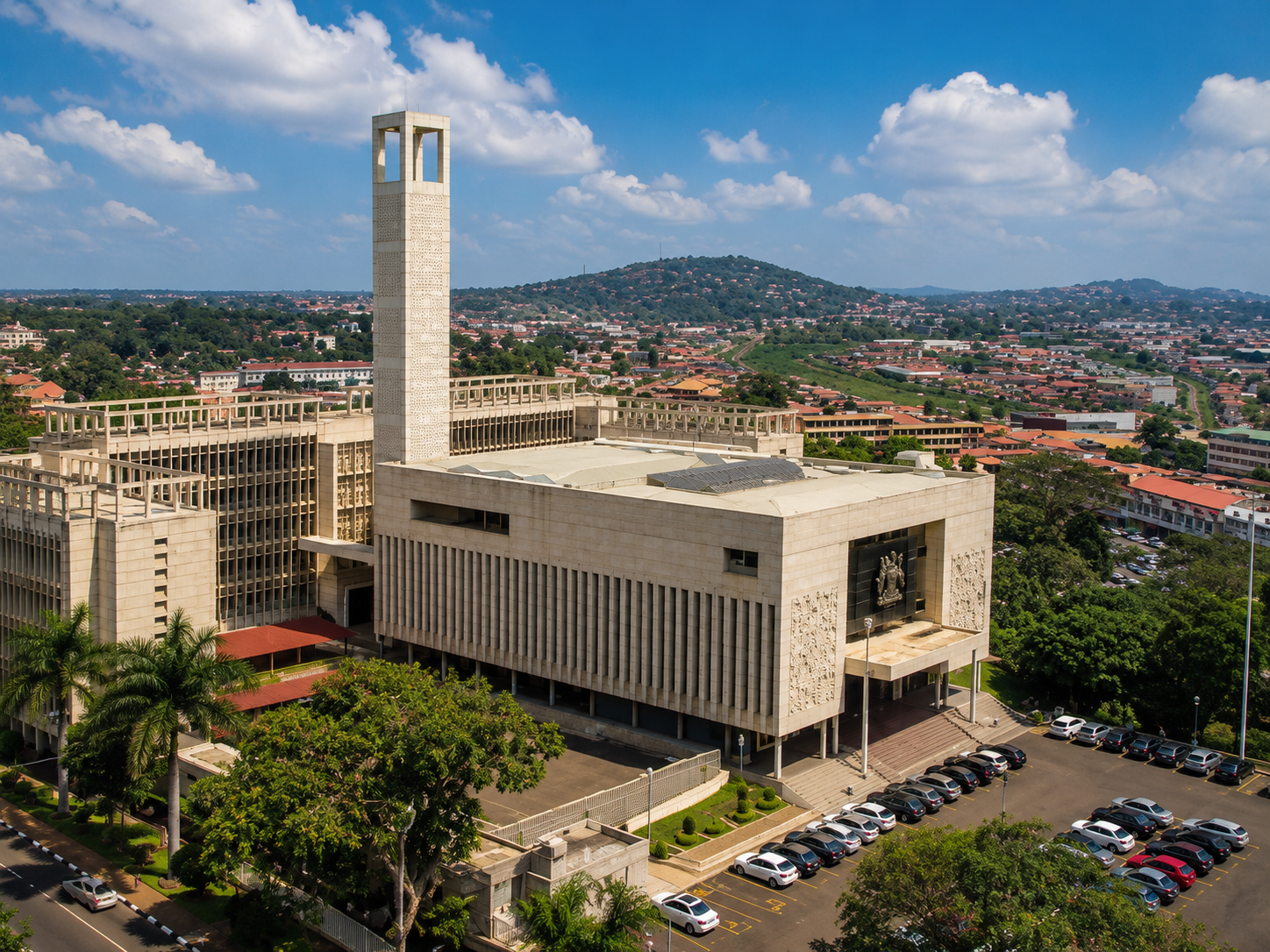
Kampala’s early government buildings reflect British colonial architecture and remain important administrative centers today.
Their preservation provides insight into Uganda’s colonial history and political development.
15. Old Government House (Sierra Leone)
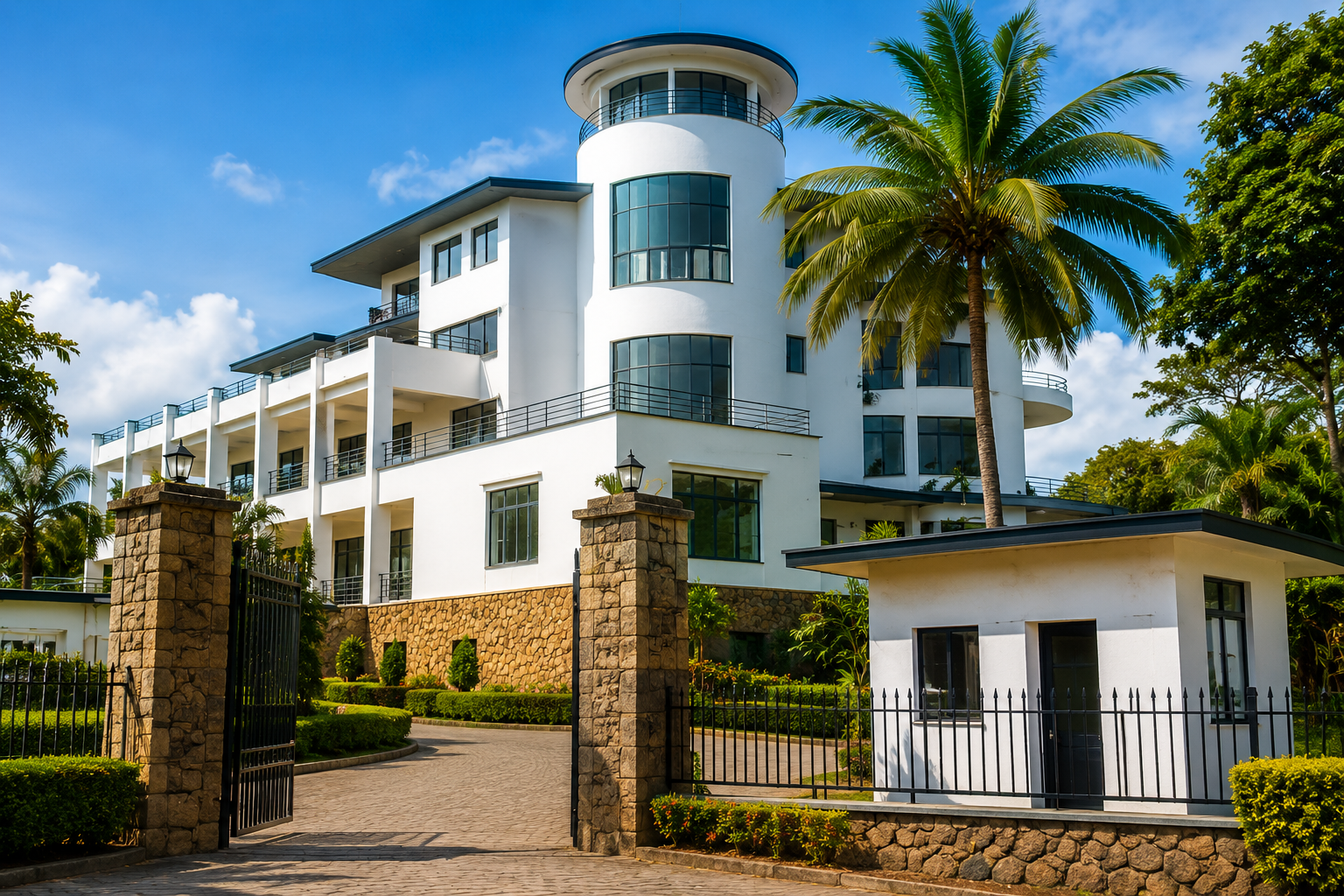
Located in Freetown, this historic building served as the administrative headquarters during British colonial rule.
It remains an important landmark in the city’s historical district.
16. Governor’s Palace (Cameroon)
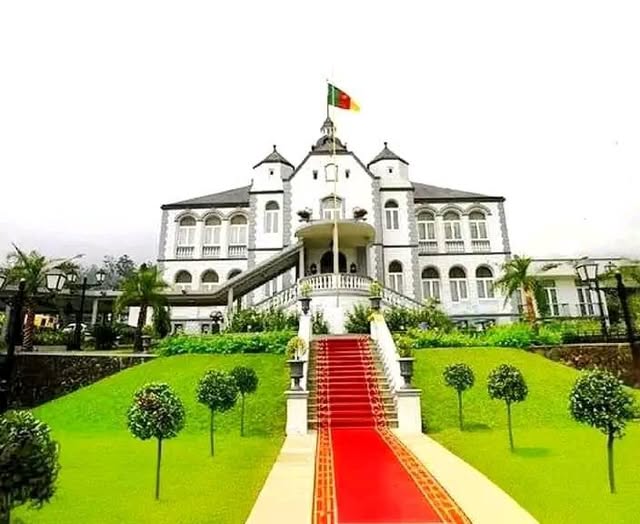
In Yaoundé, several colonial-era government buildings constructed under German and later French administration still stand and continue serving public purposes.
17. Grand Mosque Quarter (Algeria)
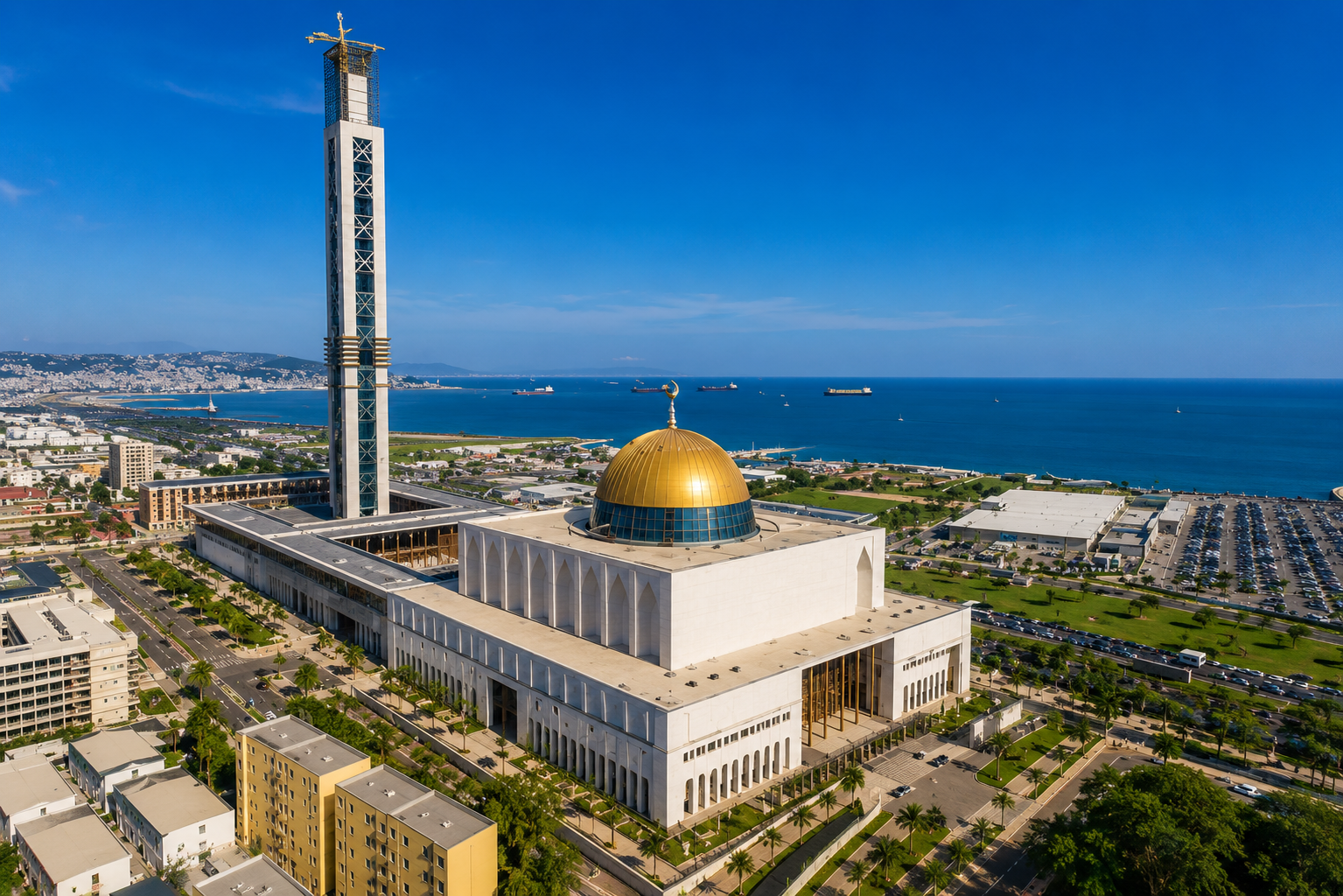
A lot of public buildings surrounding Algeria’s historic city centers preserve beautiful French colonial architecture blended with local influences.
The wide boulevards and elegant facades continue attracting architecture enthusiasts.
18. Cathedral Basilica of the Sacred Heart (Guinea)
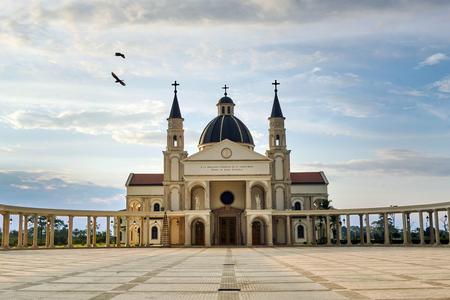
Built during the French colonial period in Conakry, this impressive cathedral reflects European church architecture while remaining an active place of worship.
19. National Museum Building (Ethiopia)
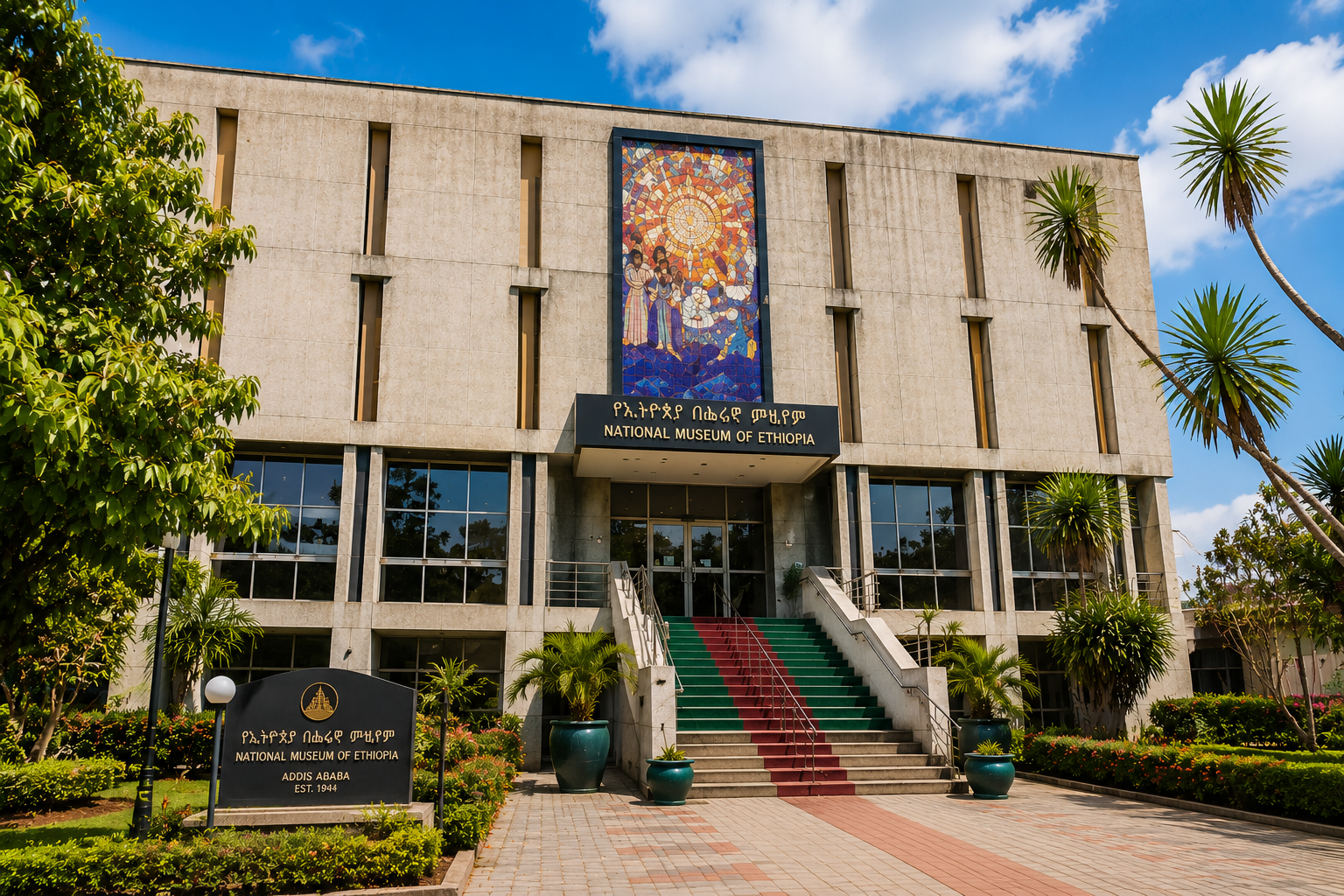
Several buildings constructed during the Italian occupation remain standing in Addis Ababa, including museums and government offices that have since been adapted for Ethiopian use
20. Saint-Louis Colonial District (Senegal)
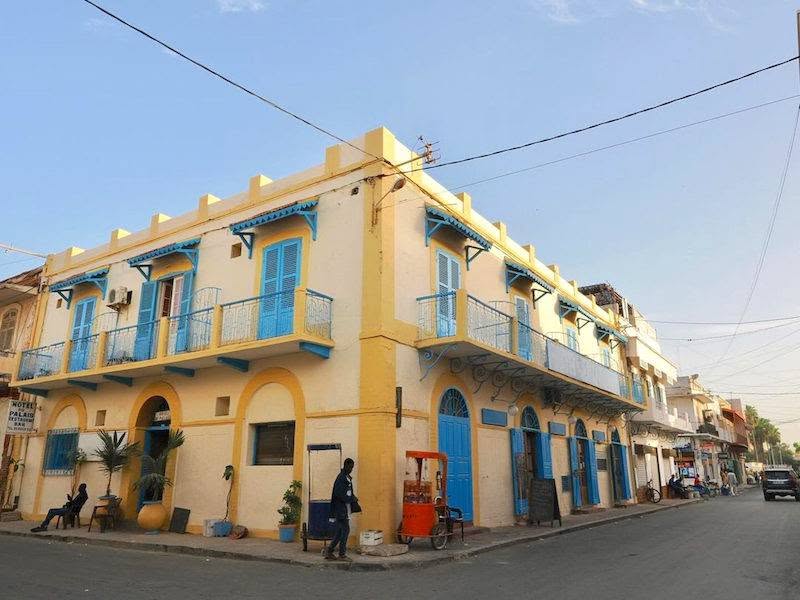
Rather than a single building, Saint-Louis features an entire district filled with beautifully preserved colonial homes, balconies, government buildings, hotels and churches.
Walking through its streets feels like stepping back into the 19th century, making it one of Africa’s finest colonial heritage destinations.
Why These Buildings Matter
Although these buildings were constructed during colonial rule, many have become important parts of Africa’s cultural and historical identity. They preserve architectural styles that are rarely seen in modern construction while helping future generations understand the continent’s complex history.
A lot have been transformed into museums, educational institutions, government offices and tourist attractions, giving them new purpose while preserving their historical value.
Tips for Visiting Colonial Landmarks
When visiting colonial-era buildings, consider hiring a local guide to learn about their history from an African perspective. several sites have museums or exhibitions that provide valuable context about colonial rule, independence movements and restoration efforts.
Photography is generally allowed at numerous locations, although restrictions may apply inside museums, churches, or government buildings. Comfortable walking shoes are recommended as many historic districts are best explored on foot.
Conclusion
Africa’s colonial buildings are more than architectural landmarks, they are living reminders of the continent’s resilience, transformation, and rich heritage. From the imposing Union Buildings in South Africa to the centuries-old castles of Ghana and the elegant railway station in Maputo, these structures continue to tell stories that shaped modern Africa.
Whether you’re passionate about history, architecture or cultural tourism, these colonial landmarks offer unforgettable experiences and a deeper understanding of Africa’s past and present. Please visit our website Pathcresta for more tourism information and guides.

Mr Derek is the founder and editor of Pathcresta. He specializes in travel, tourism, and destination content, producing accurate, informative and practical guides that help readers explore attractions, plan trips and discover unique experiences across Nigeria and around the world.