Traditional Fishing Villages in Africa Worth Visiting
Africa’s coastline stretches for more than 30,000 kilometers, while its rivers and lakes support thousands of communities that have depended on fishing for generations. Long before modern cities and commercial ports developed, fishing villages served as centers of trade, culture and survival. Today, lot’s of these communities continue to preserve traditional fishing methods, colorful wooden boats, fresh seafood markets and unique cultural practices that have been passed down through families for centuries.
For travelers seeking authentic experiences, traditional fishing villages offer something different from busy tourist resorts. They provide an opportunity to witness everyday life, meet local fishermen, enjoy freshly prepared seafood, and experience cultures that remain closely connected to nature. Whether located along the Atlantic Ocean, the Indian Ocean, or beside Africa’s great lakes, these villages reveal a quieter and more traditional side of the continent.
Here are some of the most remarkable traditional fishing villages in Africa that are worth visiting.
1. Elmina, Ghana
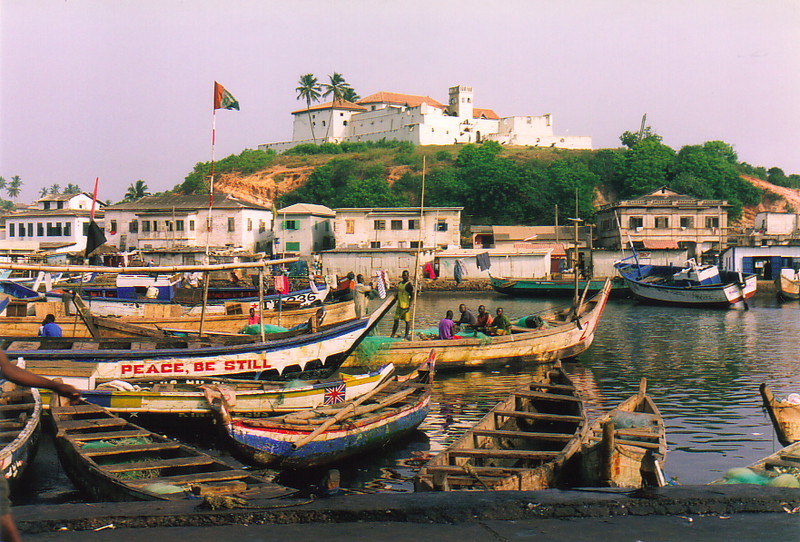
Although Elmina is internationally known for its historic castle, it is also home to one of West Africa’s busiest traditional fishing communities.
Every morning, hundreds of brightly painted wooden fishing canoes return to shore carrying fresh catches of tuna, sardines, mackerel and other fish. Along the beach, fishermen repair colorful nets while fish traders negotiate prices in the lively harbor.
Visitors or tourist can walk through the fishing docks, photograph the vibrant canoes and enjoy freshly grilled seafood at nearby restaurants. The combination of history, culture and daily fishing activities makes Elmina one of Ghana’s most fascinating destinations.
2. Joal-Fadiouth, Senegal
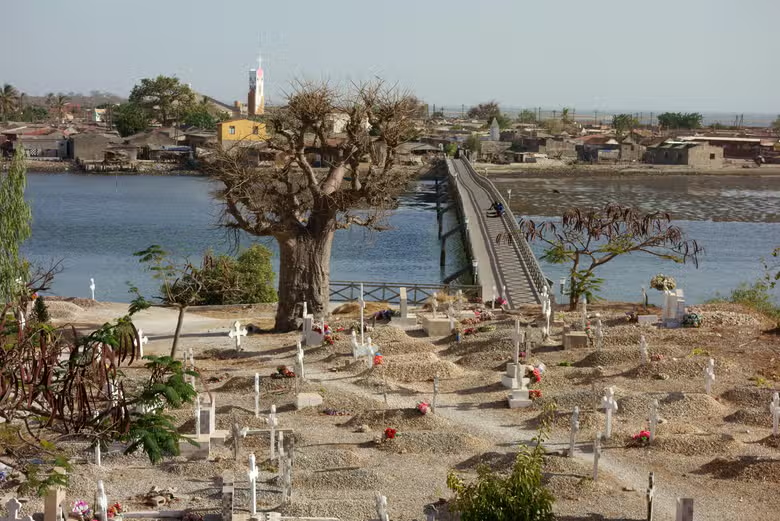
Located south of Dakar, Joal-Fadiouth is famous for its picturesque fishing community and the unique island of Fadiouth, which is built almost entirely from seashells.
Fishing remains the backbone of the local economy. Traditional wooden pirogues line the shoreline, while fishermen prepare for daily trips into the Atlantic Ocean.
Visitors can cross the wooden bridge connecting Joal to Fadiouth, explore the shell-covered streets and observe local life without disturbing the community’s peaceful atmosphere.
3. Ngaparou, Senegal
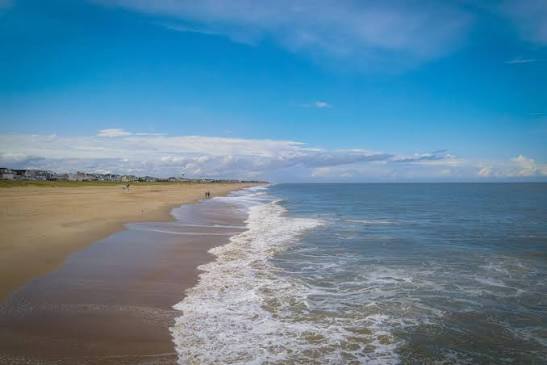
Ngaparou is a peaceful coastal village where traditional fishing still plays an important role despite increasing tourism. Every morning, colorful fishing boats head into the Atlantic before returning with fresh catches that are sold directly on the beach.
The relaxed environment makes it an excellent destination for travelers interested in authentic Senegalese coastal life.
4. Kilwa Masoko, Tanzania
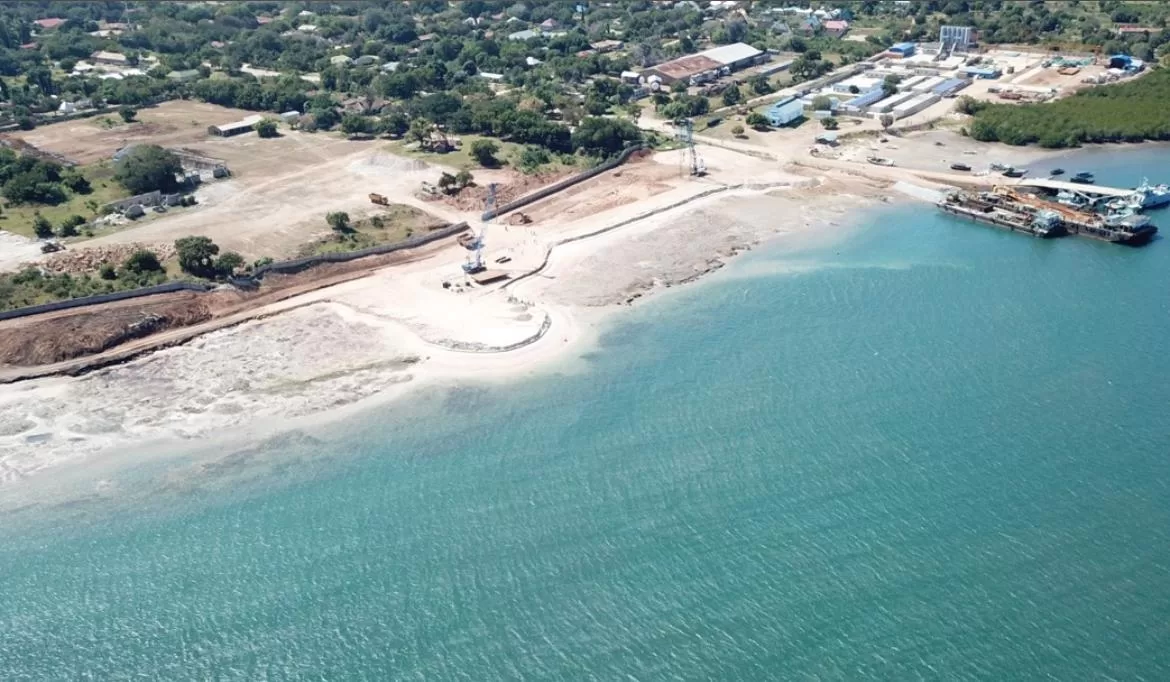
Located along Tanzania’s Indian Ocean coastline, Kilwa Masoko combines fishing traditions with remarkable history. Fishing boats continue to leave the harbor daily while local markets offer fresh octopus, lobster, prawns, snapper and reef fish.
Visitors often combine a visit to the fishing village with nearby Kilwa Kisiwani, a UNESCO World Heritage Site that was once one of East Africa’s greatest trading cities.
5. Bagamoyo, Tanzania
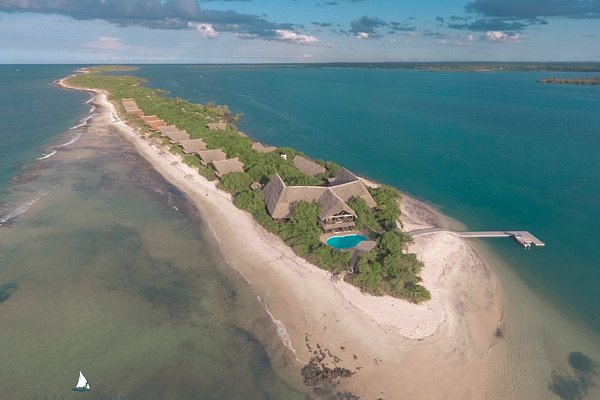
Bagamoyo has served as a fishing community for centuries. Traditional dhows and wooden fishing boats remain a familiar sight along its beaches, where local fishermen continue using techniques passed down through generations.
Fresh seafood restaurants, quiet beaches and historic architecture make Bagamoyo one of Tanzania’s most rewarding coastal destinations.
6. Lamu, Kenya
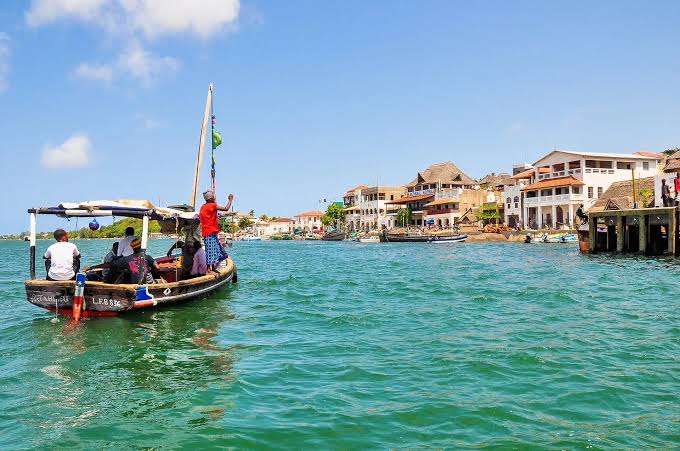
Lamu Island preserves centuries-old Swahili culture and fishing remains an important part of daily life. Traditional wooden dhows sail across the Indian Ocean, while fishermen bring fresh fish to local markets every morning
Visitors can explore narrow streets, visit seafood restaurants and take dhow cruises that provide insight into the island’s maritime traditions.
7. Watamu, Kenya
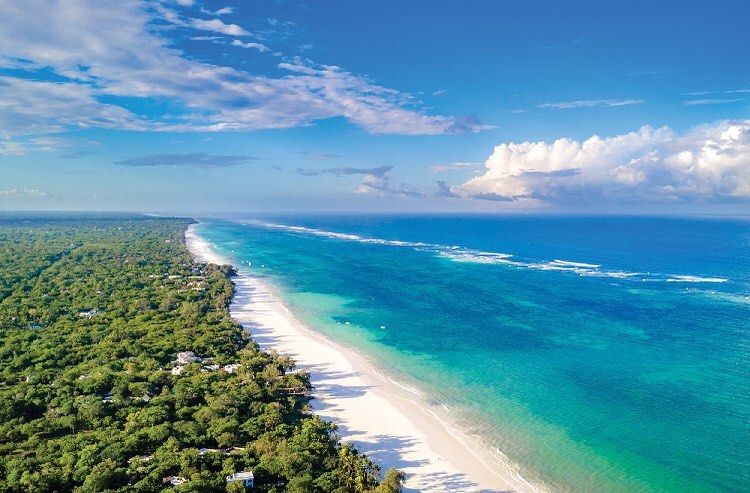
Although famous for marine conservation and beautiful beaches, Watamu still supports an active traditional fishing community. Small wooden boats return with fresh seafood each day, while local restaurants prepare dishes using fish caught only hours earlier.
The nearby Watamu Marine National Park also offers excellent opportunities for snorkeling and marine wildlife observation.
8. Cape Maclear, Malawi

Situated on the shores of Lake Malawi, Cape Maclear is one of Africa’s most beautiful lakeside fishing communities. Wooden fishing boats glide across the calm waters each morning and visitors often see fishermen casting traditional nets during sunrise.
The village combines authentic fishing culture with stunning scenery, making it one of Malawi’s most popular travel destinations.
9. Senga Bay, Malawi
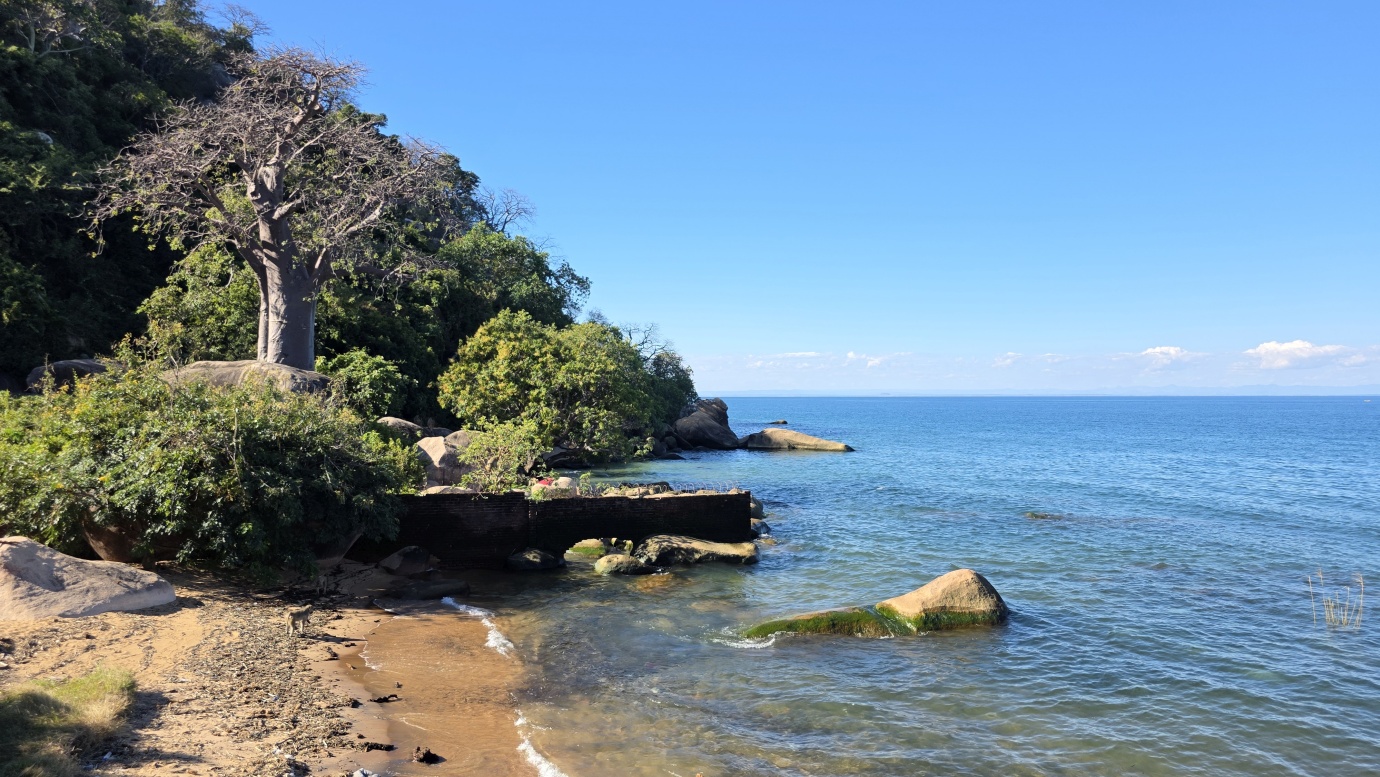
Senga Bay offers another opportunity to experience traditional fishing on Lake Malawi. Fishing families continue to rely on handmade boats and simple equipment while supplying nearby markets with fresh fish, especially chambo, one of Malawi’s popular freshwater species.
Visitors can enjoy peaceful beaches while observing everyday village life.
10. Ganvié, Benin
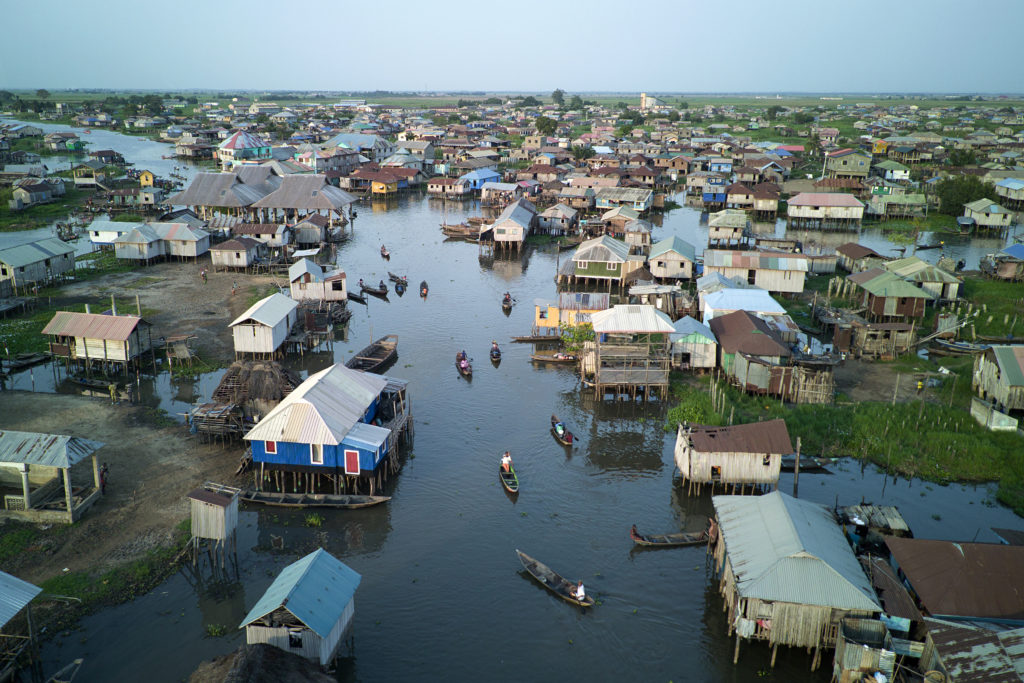
Ganvié is unlike any other fishing community in Africa. Often called the “Venice of Africa,” the entire village is built on stilts above Lake Nokoué. Residents travel almost exclusively by canoe, while fishing remains their primary occupation.
Traditional fishing methods and floating markets continue to define life here, creating one of West Africa’s most extraordinary cultural experiences
11. Saly, Senegal
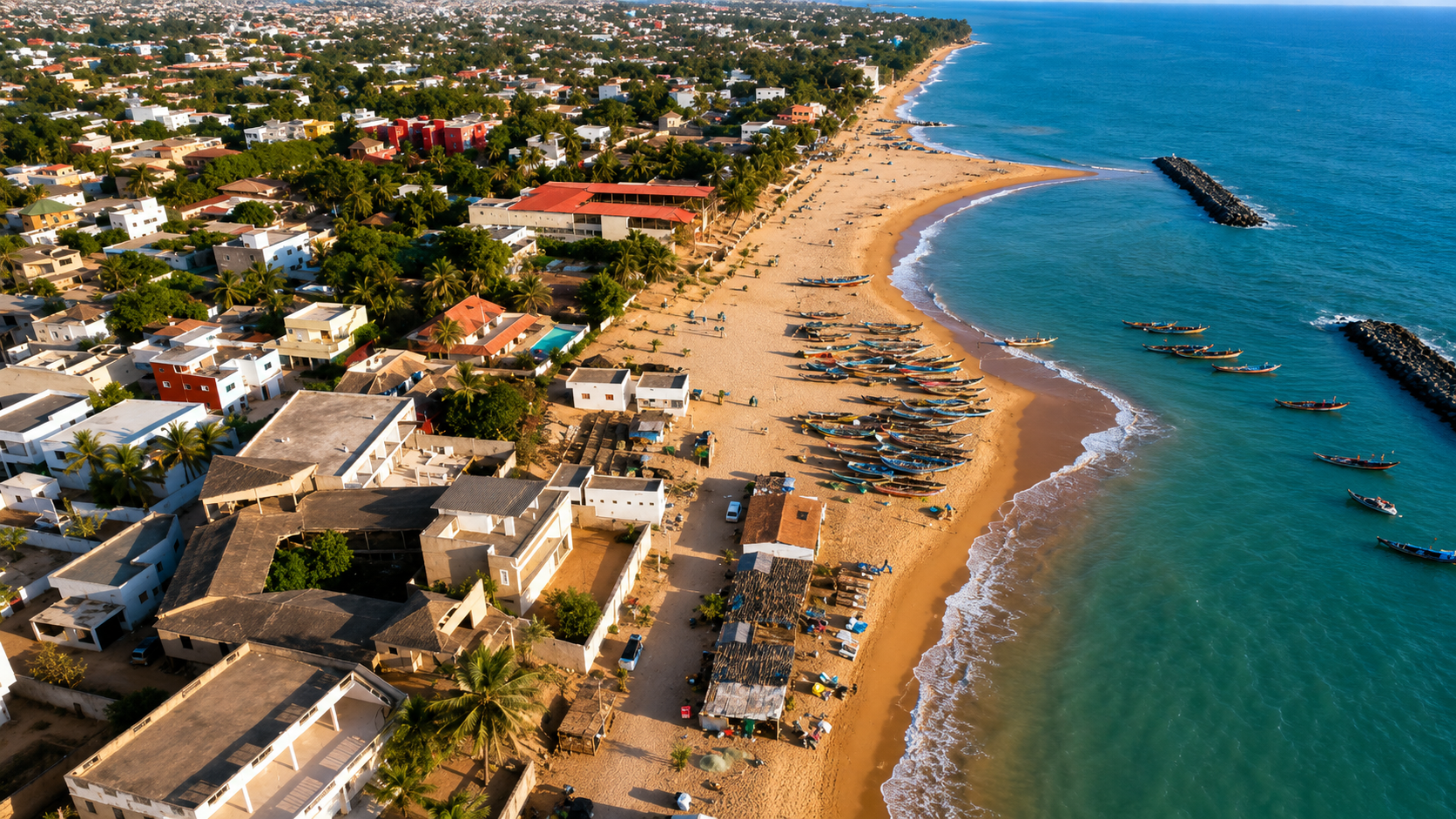
Although Saly has become one of Senegal’s leading beach resorts, nearby fishing communities continue preserving traditional practices.
Visitors or tourists can watch colorful pirogues arrive each morning before exploring lively seafood markets filled with freshly caught fish and shellfish.
12. Kosi Bay, South Africa
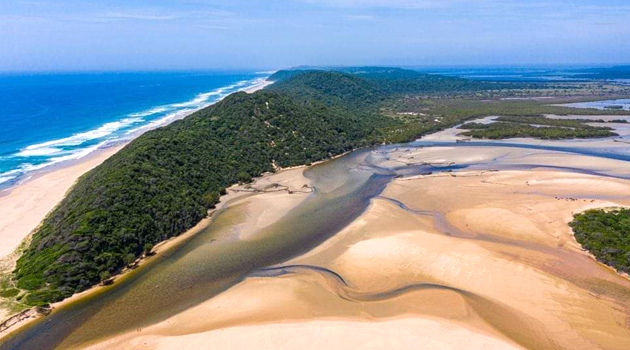
Located near the Mozambique border, Kosi Bay is internationally recognized for its traditional fish traps. The Thonga people have used these woven wooden fish traps for generations, creating one of Africa’s oldest surviving fishing traditions.
Visitors can learn about this remarkable heritage while exploring pristine estuaries and coastal forests.
13. Chinde, Mozambique
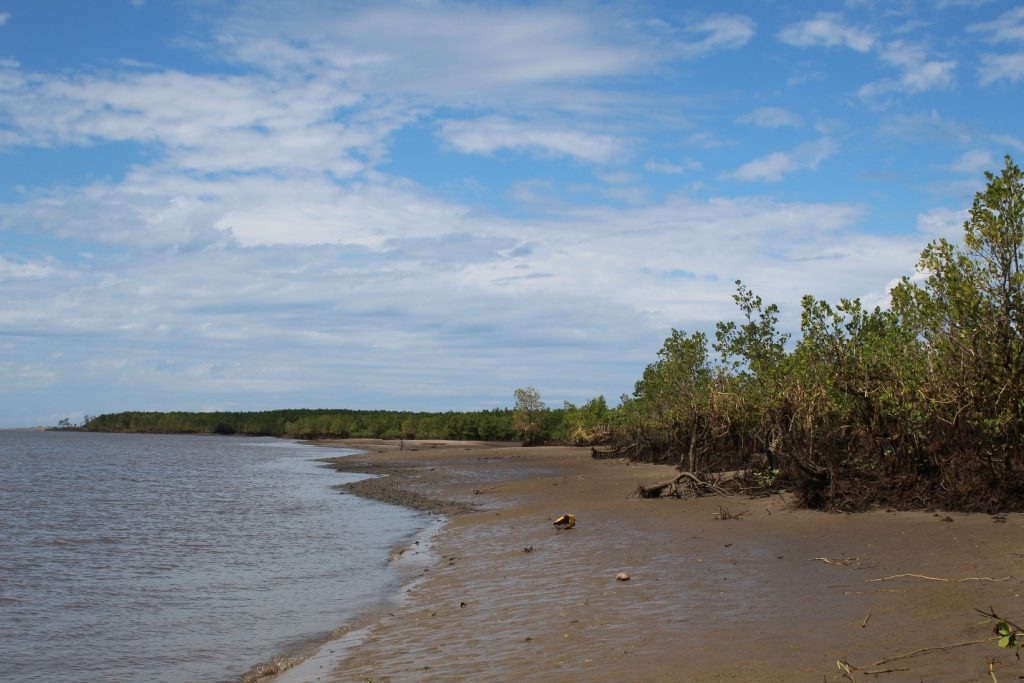
Situated near the mouth of the Zambezi River, Chinde remains an important fishing settlement.
The village offers opportunities to observe traditional fishing boats, explore river channels and experience life in one of Mozambique’s lesser-known coastal communities.
14. Inhambane, Mozambique
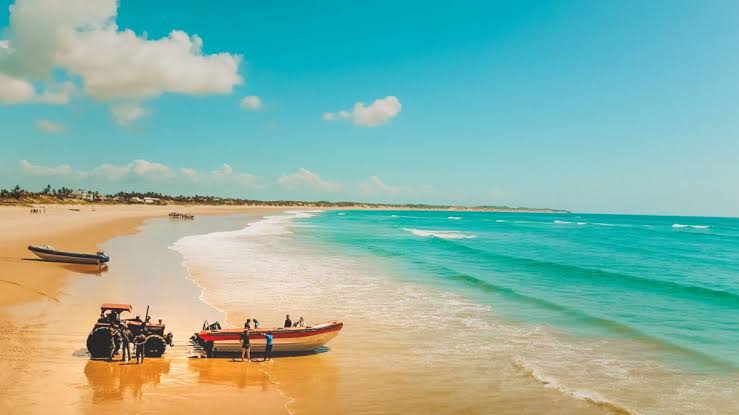
Inhambane has been connected to fishing for centuries. Its waterfront remains busy with fishermen bringing in fresh catches that supply local markets and restaurants.
Traditional sailing boats continue to share the harbor with modern vessels, preserving the town’s maritime character.
15. Assinie, Côte d’Ivoire
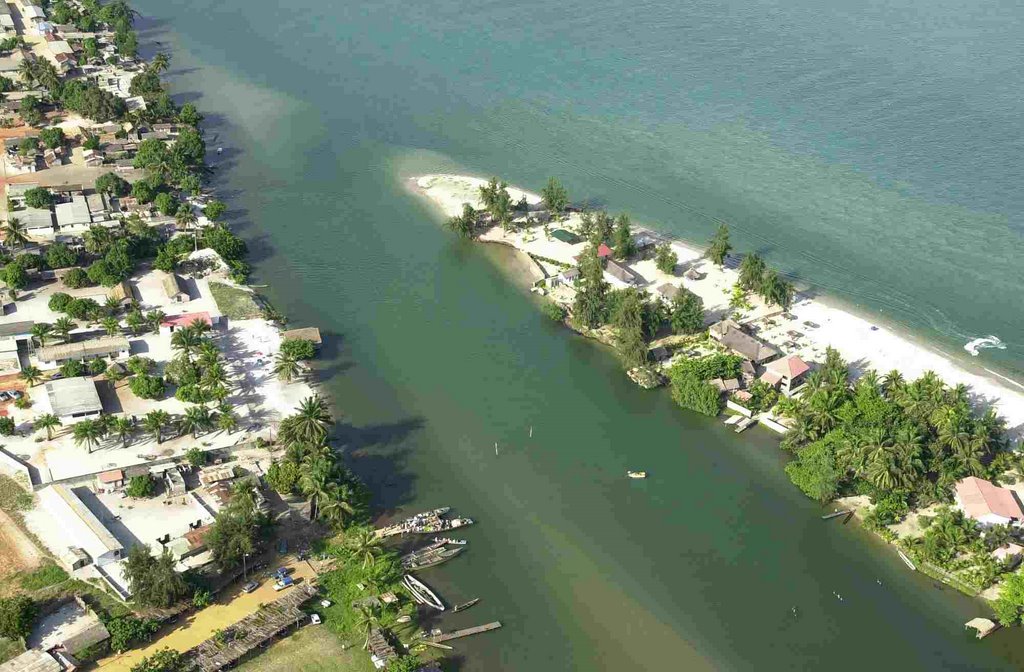
Located near the border with Ghana, Assinie is known for its beautiful lagoons and Atlantic coastline.
Fishing remains an important occupation for many local families and visitors can observe fishermen working from colorful wooden boats while enjoying peaceful beaches and fresh seafood.
Why Visit Traditional Fishing Villages?
Fishing villages provide experiences that large cities often cannot offer. They allow travelers to connect with local communities, witness traditional skills, and enjoy regional seafood prepared using family recipes that have survived for generations
A lot of these villages also preserve architectural styles, languages, festivals and customs that reflect the rich cultural diversity of Africa’s coastal regions.
Unlike crowded tourist attractions, fishing villages often offer slower, more relaxed experiences where visitors can appreciate daily life and natural beauty.
Tips for Visiting Fishing Villages in Africa
Respect local customs and ask permission before photographing fishermen or their families. Several communities welcome visitors, but courtesy is always appreciated.
Visit early in the morning to watch fishing boats return with their catches. This is usually the busiest and most colorful time of day. Support local businesses by purchasing handmade crafts, hiring local guides or enjoying meals at family-owned restaurants that serve freshly caught seafood.
Dress modestly when visiting traditional communities, especially in areas where cultural or religious customs are strongly observed.
Finally, help protect these beautiful environments by avoiding littering and respecting marine conservation rules where they exist.
Conclusion
Traditional fishing villages remain some of Africa’s most authentic travel destinations. From the colorful canoe-filled harbor of Elmina in Ghana to the stilt village of Ganvié in Benin and the dhow-lined shores of Lamu in Kenya, these communities preserve centuries of maritime history and cultural traditions.
Visiting these villages offers far more than beautiful scenery. It provides an opportunity to experience local hospitality, discover traditional ways of life, taste freshly prepared seafood and gain a deeper appreciation for the communities that have depended on Africa’s oceans, rivers and lakes for generations.
Whether you’re a photographer, history enthusiast, foodie or simply someone looking for authentic travel experiences, Africa’s traditional fishing villages deserve a place on your travel bucket list.
Thanks for ready, Always visit our website Pathcresta for more tourism updates and information.

Mr Derek is the founder and editor of Pathcresta. He specializes in travel, tourism, and destination content, producing accurate, informative and practical guides that help readers explore attractions, plan trips and discover unique experiences across Nigeria and around the world.