Ancient Trees With Incredible Stories Across Africa
Africa is home to some of the oldest and most extraordinary trees on Earth. Standing silently through centuries of change, these natural giants have witnessed the rise and fall of kingdoms, the movement of ancient trade routes, colonial expansion and the growth of modern nations. A lot of them are more than impressive botanical specimens, they are cultural landmarks deeply woven into the traditions, legends and identities of the communities that surround them.
Across the continent, ancient baobabs, fig trees, sycamores and olive trees continue to inspire travelers, historians, scientists and nature lovers alike. Some are believed to be over a thousand years old, while others are revered as sacred gathering places, ceremonial sites or symbols of resilience
Visiting these remarkable trees offers a unique way to explore Africa’s natural heritage while discovering fascinating stories that have been passed down through generations. Here are some of the Ancient Trees With Incredible Stories Across Africa.
1. Sagole Big Tree (South Africa)
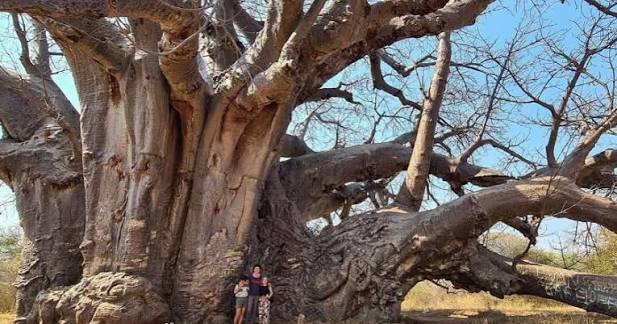
Located in Limpopo Province, the Sagole Big Tree is one of South Africa’s largest baobab trees. Estimated to be well over 1,000 years old, it stands approximately 22 meters tall with an enormous trunk circumference.
For generations, local communities have regarded the tree as a symbol of strength and endurance. Its massive size continues to attract visitors interested in both nature and history.
2. Sunland Baobab (South Africa)
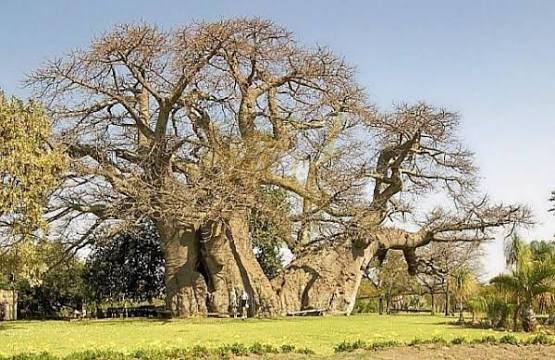
The Sunland Baobab became internationally famous because its enormous hollow trunk once housed a small bar and wine cellar.
Scientists estimated the tree to be more than a thousand years old before sections of its ancient trunk naturally collapsed in recent years. Despite this, it remains one of Africa’s most iconic baobabs and continues to attract curious tourists.
3. Glencoe Baobab (South Africa)
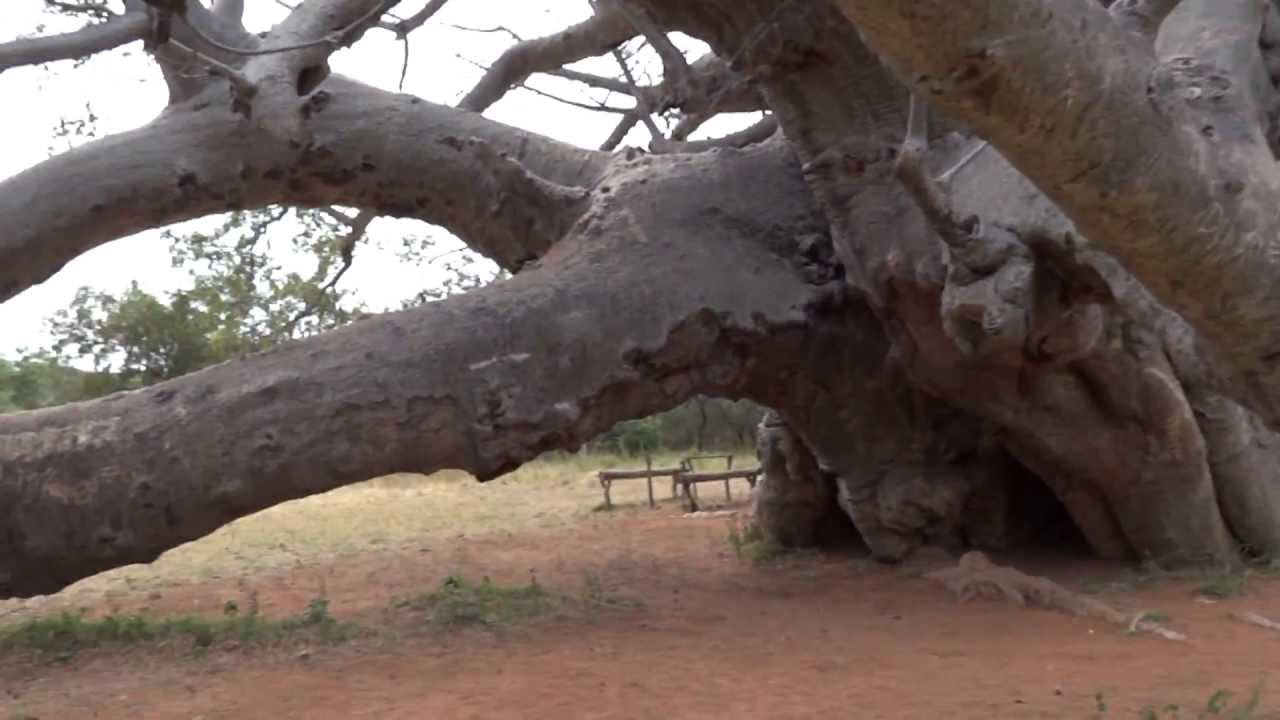
The Glencoe Baobab is another remarkable giant found in Limpopo Province.
For several years, it was considered one of the largest baobabs in the world. Although parts of the trunk split naturally, the tree remains alive and continues to demonstrate the incredible resilience of baobabs.
4. Chapman Baobab (Botswana)
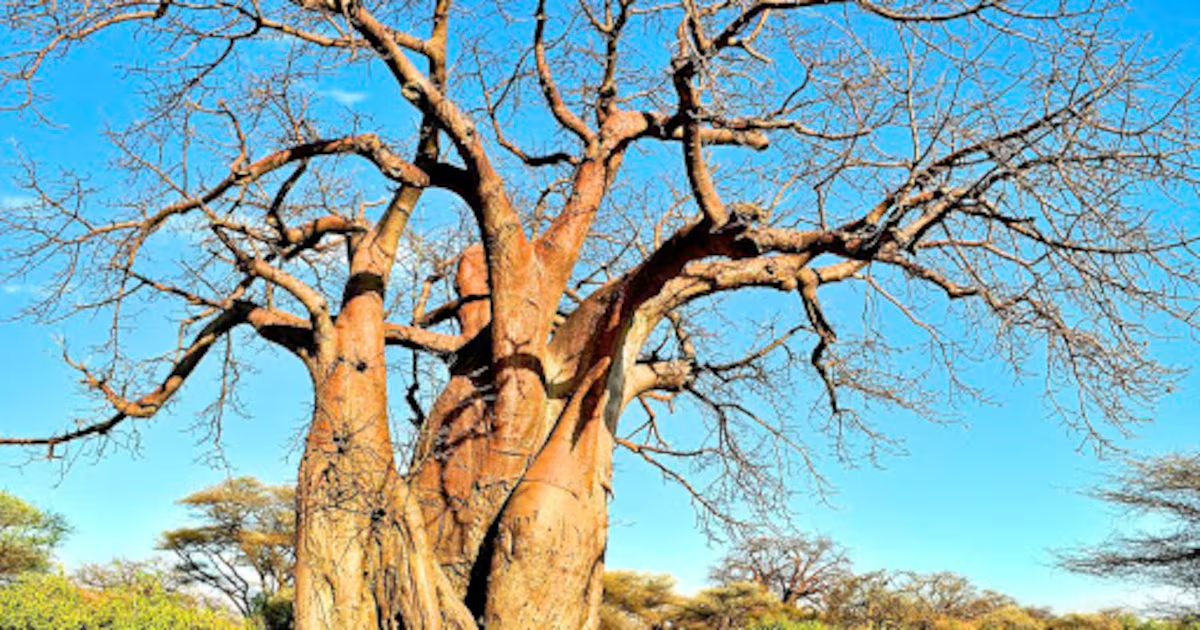
Located near the Makgadikgadi region, the Chapman Baobab served as an important landmark for explorers, traders and travelers crossing southern Africa.
Historical figures such as David Livingstone are believed to have passed by the tree during their expeditions. Although the original tree collapsed in 2016 due to natural causes, it remains one of Botswana’s most historically significant natural landmarks.
5. Kubu Island Baobabs (Botswana)
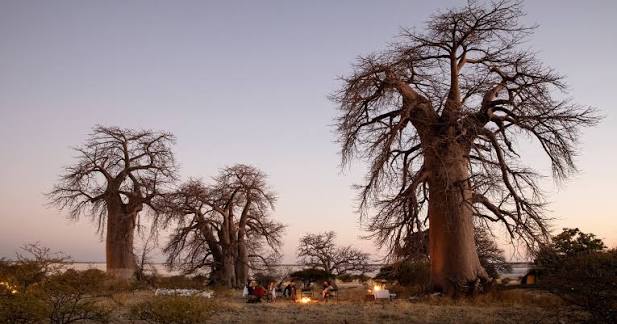
Kubu Island is home to several ancient baobab trees that stand dramatically among granite rocks on a salt pan.
The island is considered sacred by local communities and is protected as a national monument. Its ancient trees contribute to the mystical atmosphere that attracts photographers and nature enthusiasts.
6. Avenue of the Baobabs (Madagascar)
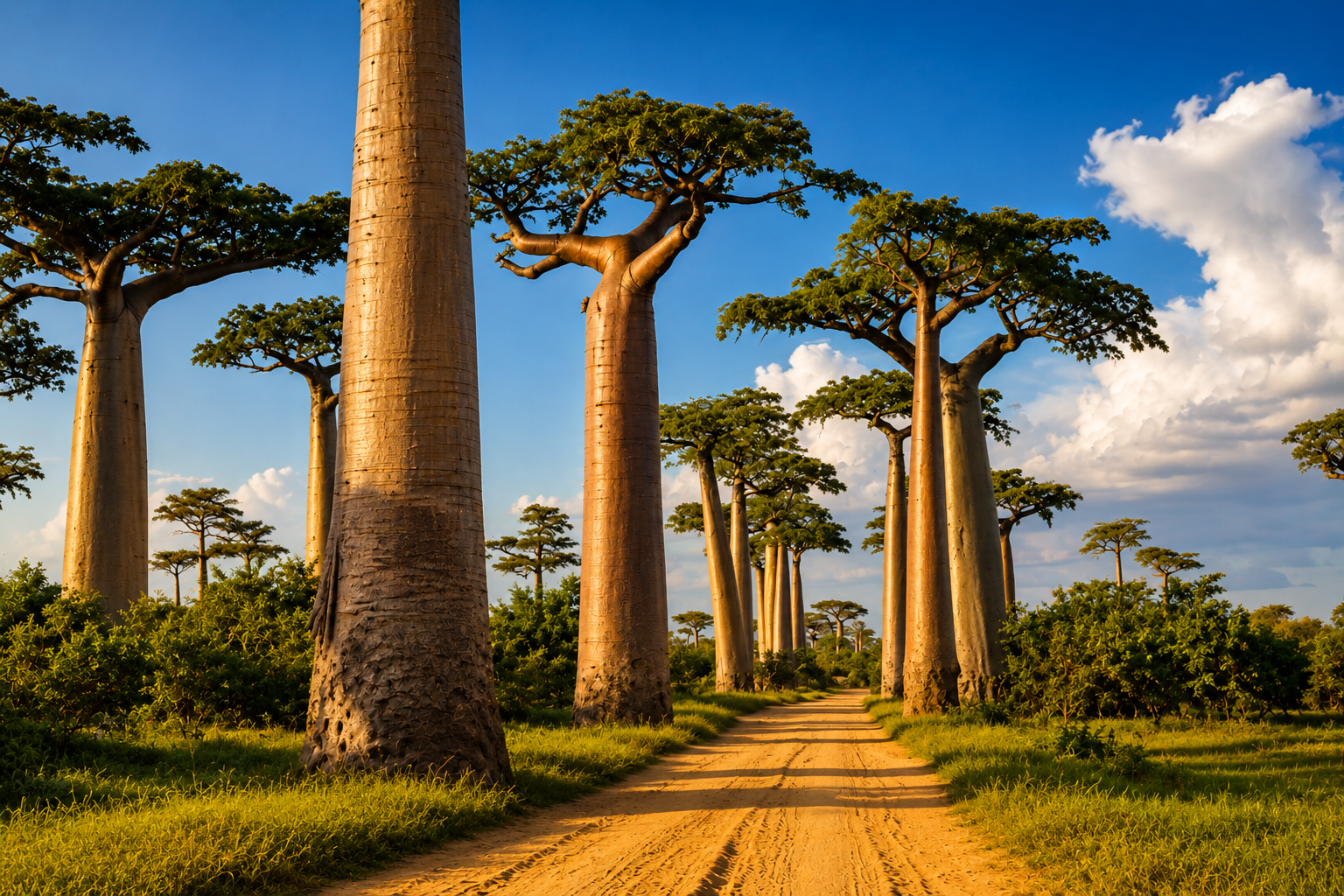
Perhaps Africa’s most photographed collection of trees, the Avenue of the Baobabs features towering Grandidier’s baobabs that are believed to be hundreds of years old.
These magnificent trees once formed part of extensive tropical forests before much of the surrounding woodland disappeared. Today, they remain one of Madagascar’s most famous natural attractions.
7. Sacred Baobabs of Kirindy (Madagascar)
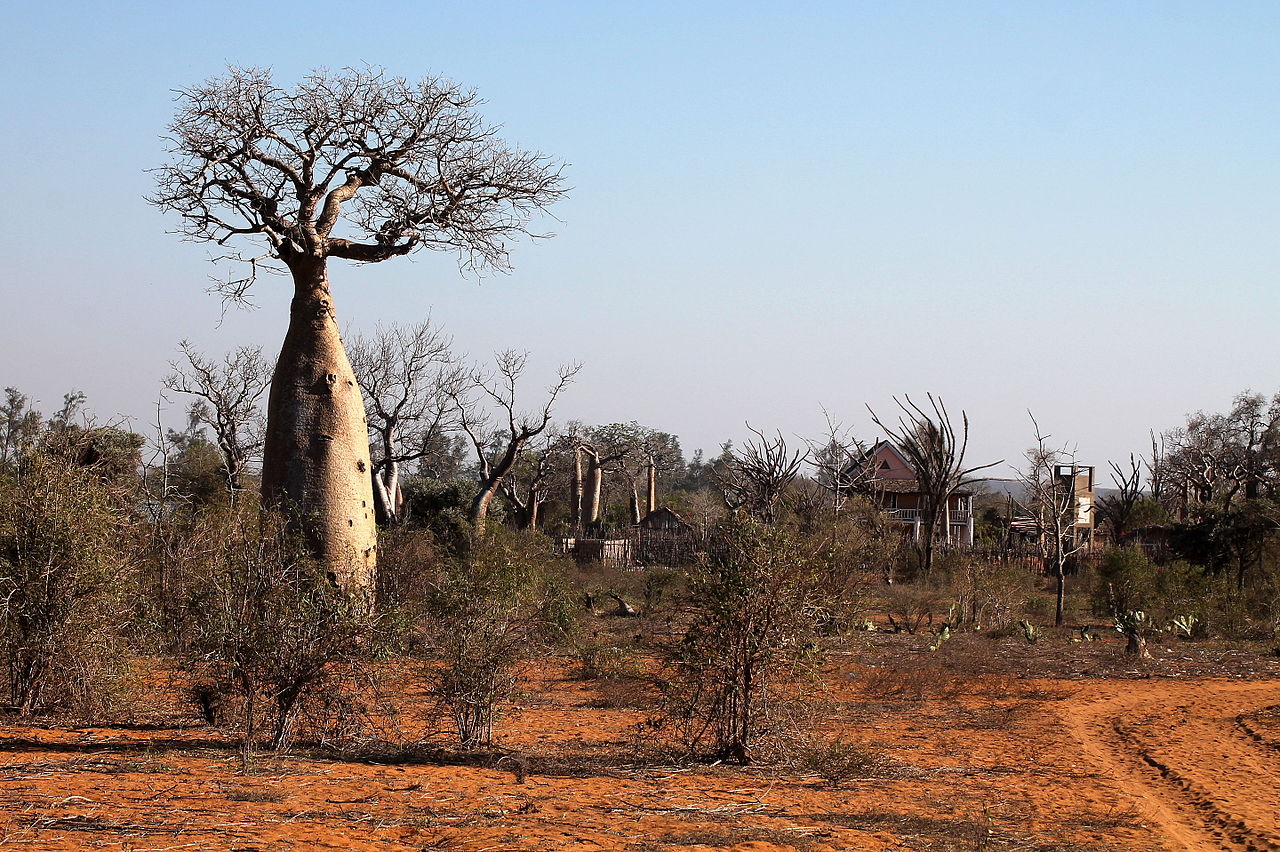
Kirindy Forest contains several ancient baobabs that play an important role in Madagascar’s unique ecosystem.
These giant trees provide food and shelter for numerous species found nowhere else on Earth, including several endangered lemurs.
8. Wonderboom Fig (South Africa)
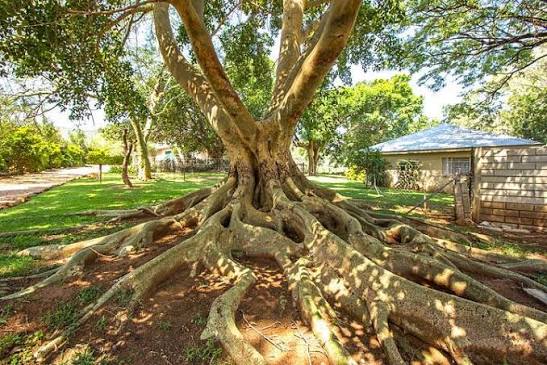
Located in Pretoria, the Wonderboom is an enormous wild fig tree estimated to be more than 1,000 years old. Unlike most trees, its branches have rooted themselves repeatedly over time, creating a natural forest covering thousands of square meters.
Today, the Wonderboom is protected as a national monument.
9. Sycamore Fig Trees of Ancient Egypt
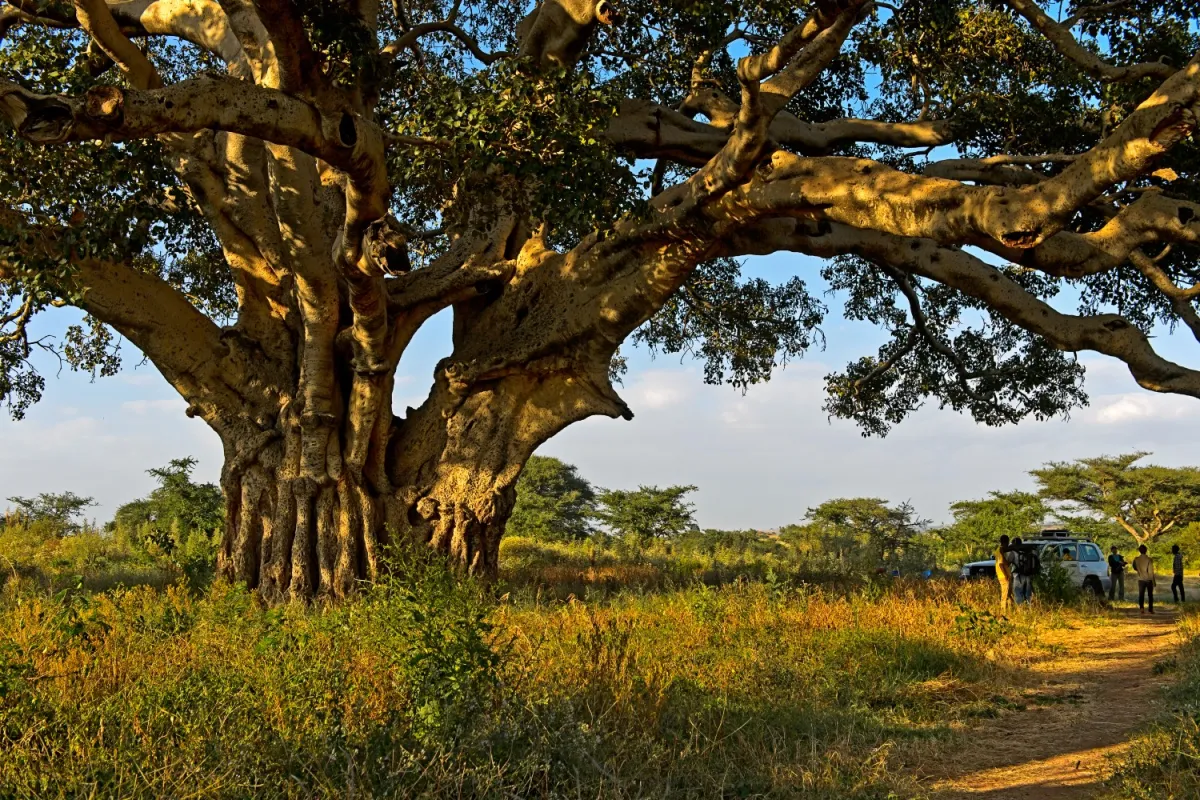
For thousands of years, sycamore fig trees have played an important role in Egyptian civilization. Ancient Egyptians associated these trees with protection, nourishment and eternal life. Their wood was commonly used to make coffins, while their fruit provided food for local communities.
Several historic specimens can still be found in parts of Egypt today.
10. Sacred Trees of Osun-Osogbo Sacred Grove (Nigeria)
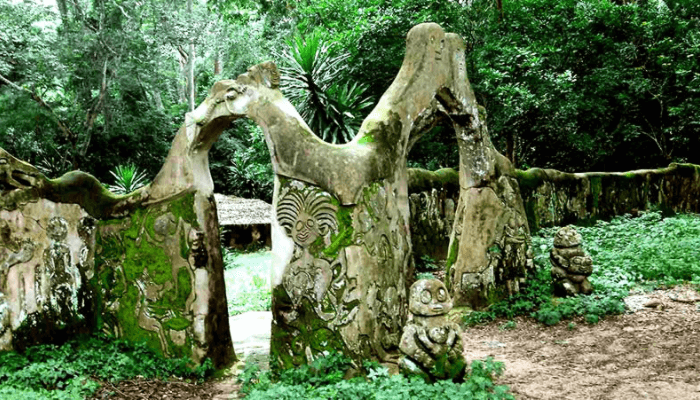
The UNESCO-listed Osun-Osogbo Sacred Grove contains numerous ancient trees that form part of one of Nigeria’s most important spiritual landscapes.
Many of these trees are protected because of their religious significance in Yoruba tradition, where they are closely associated with the Osun deity and centuries-old cultural ceremonies.
11. Ancient Baobabs of Tarangire National Park (Tanzania)
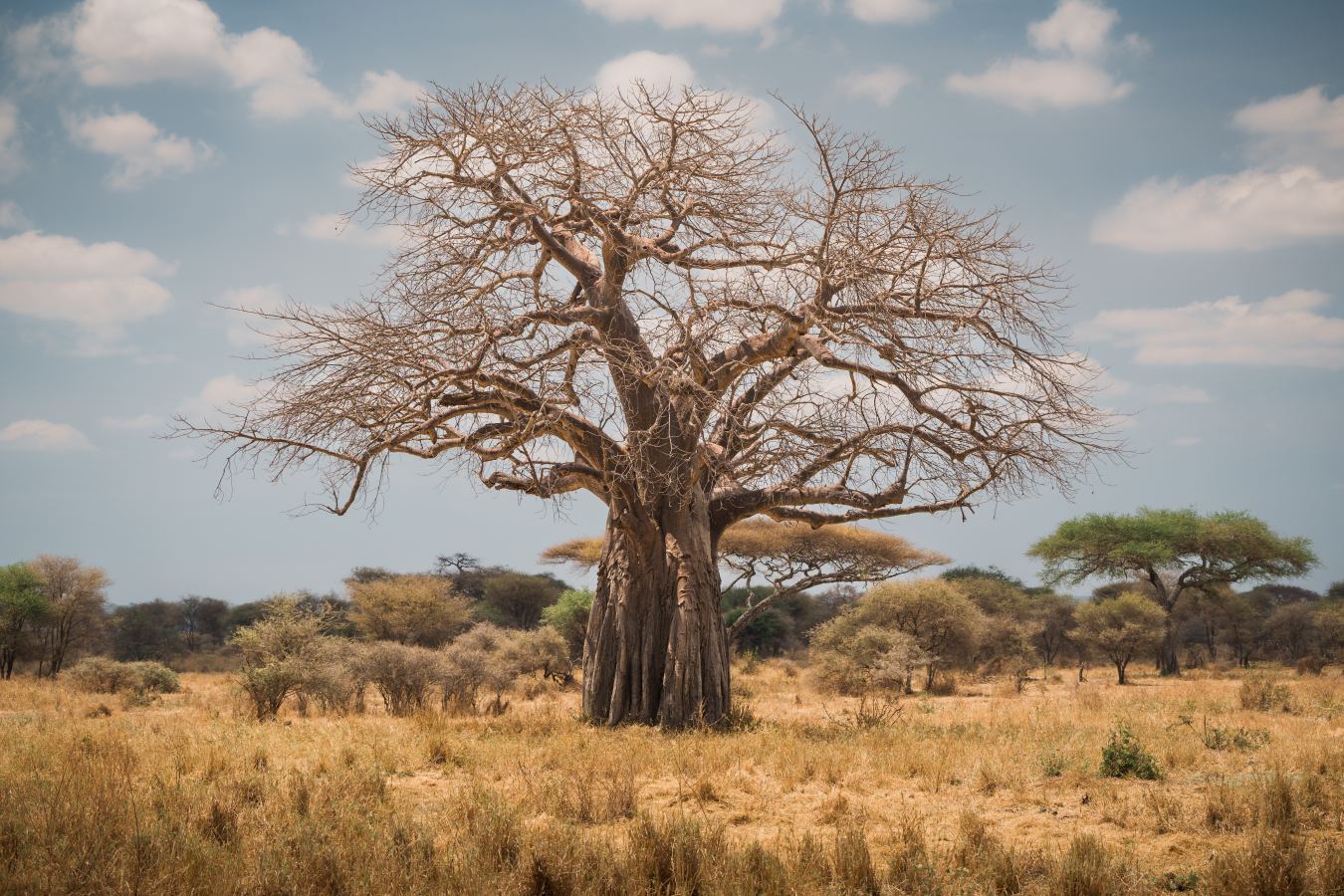
Tarangire National Park is famous for its remarkable baobab trees, lot’s of which have stood for hundreds of years.
These towering giants provide shelter for elephants, birds, bats and countless other wildlife species, making them an essential part of Tanzania’s ecosystem.
12. Baobabs of Ruaha National Park (Tanzania)
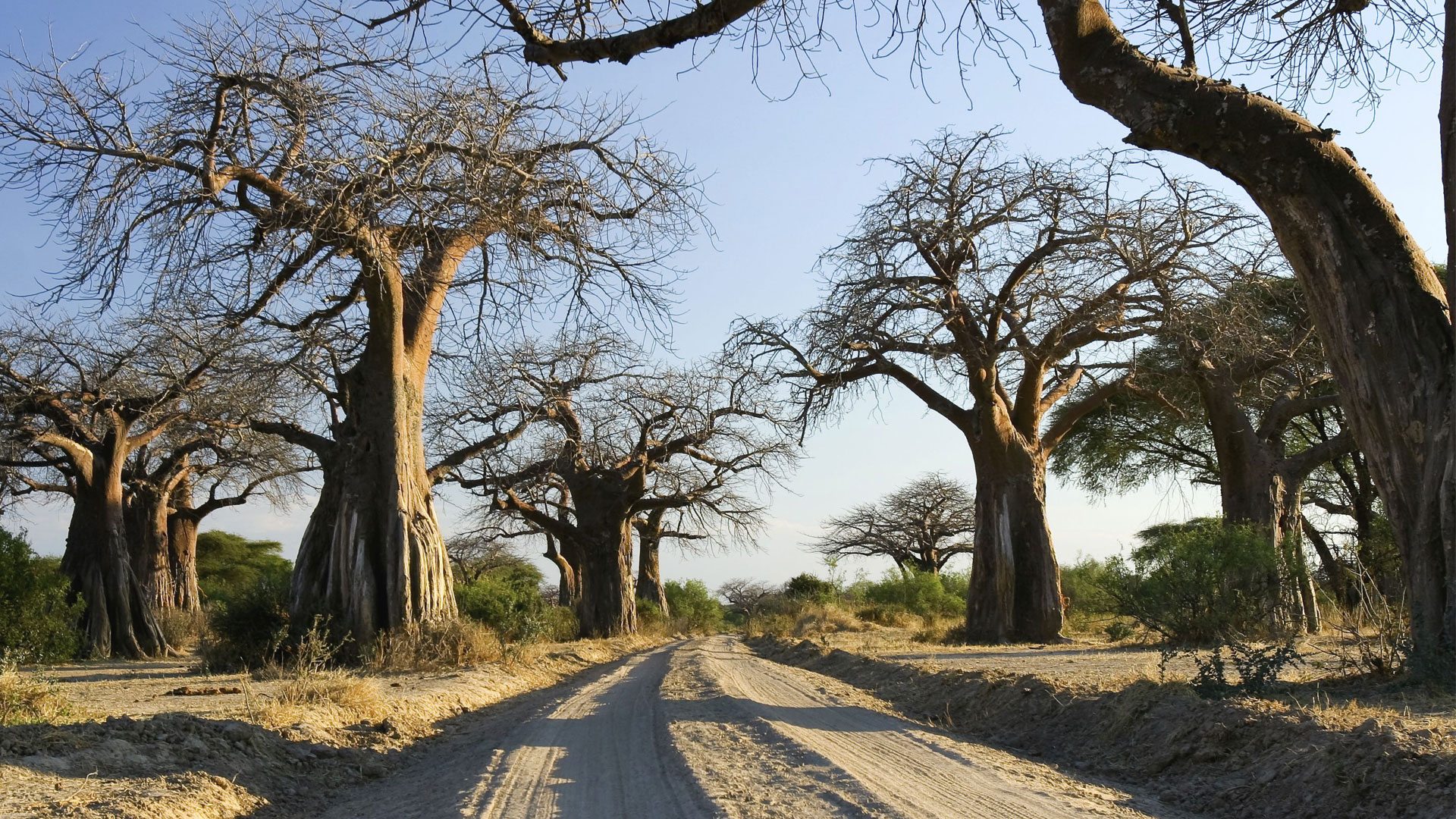
Ruaha National Park also contains numerous ancient baobabs that dominate its dry landscapes.
Their enormous trunks store water during long dry seasons, allowing them to survive harsh climatic conditions for centuries.
13. Sacred Fig Trees of Lalibela (Ethiopia)
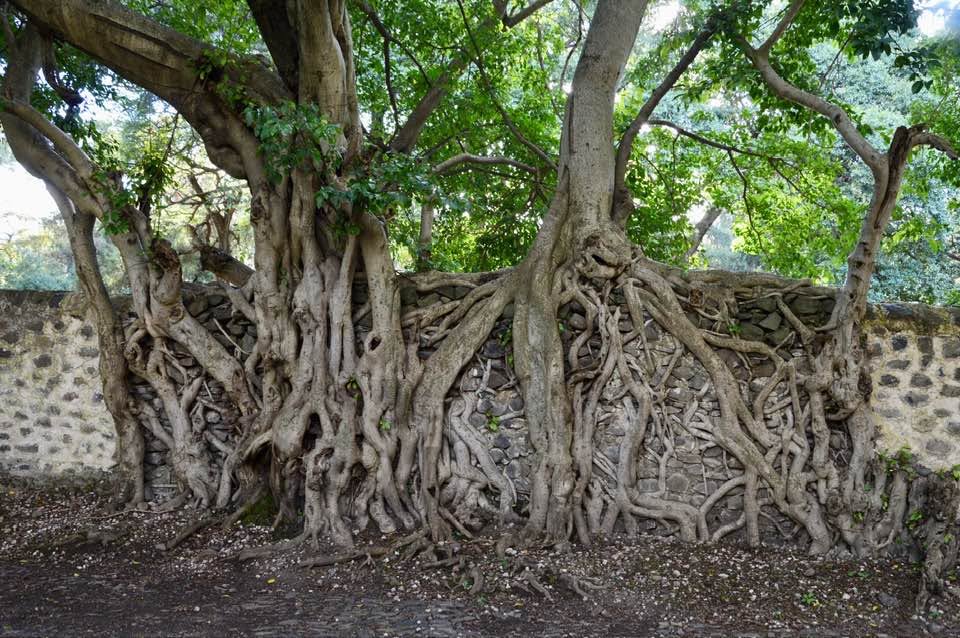
Several ancient fig trees surrounding Lalibela’s historic churches are highly respected by local communities.
Pilgrims often gather beneath these trees during religious celebrations, adding spiritual significance to their natural beauty.
14. Ancient Olive Trees of the Atlas Mountains (Morocco)
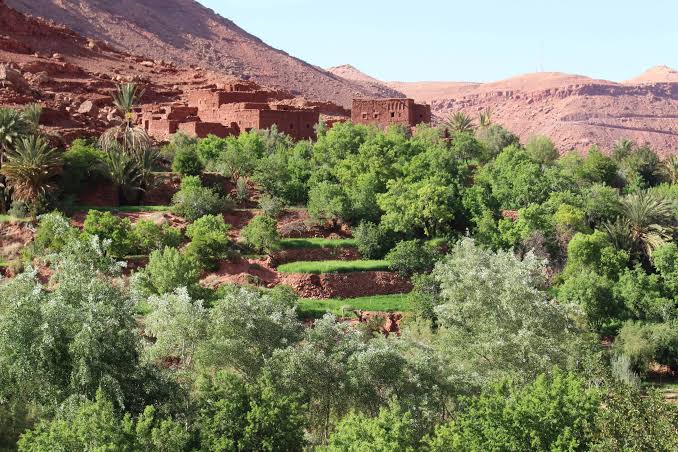
In parts of Morocco’s Atlas Mountains, ancient olive trees continue producing fruit after several centuries.
These trees have supported local farming communities for generations while contributing to Morocco’s renowned olive oil industry.
15. Baobabs of Kilwa (Tanzania)
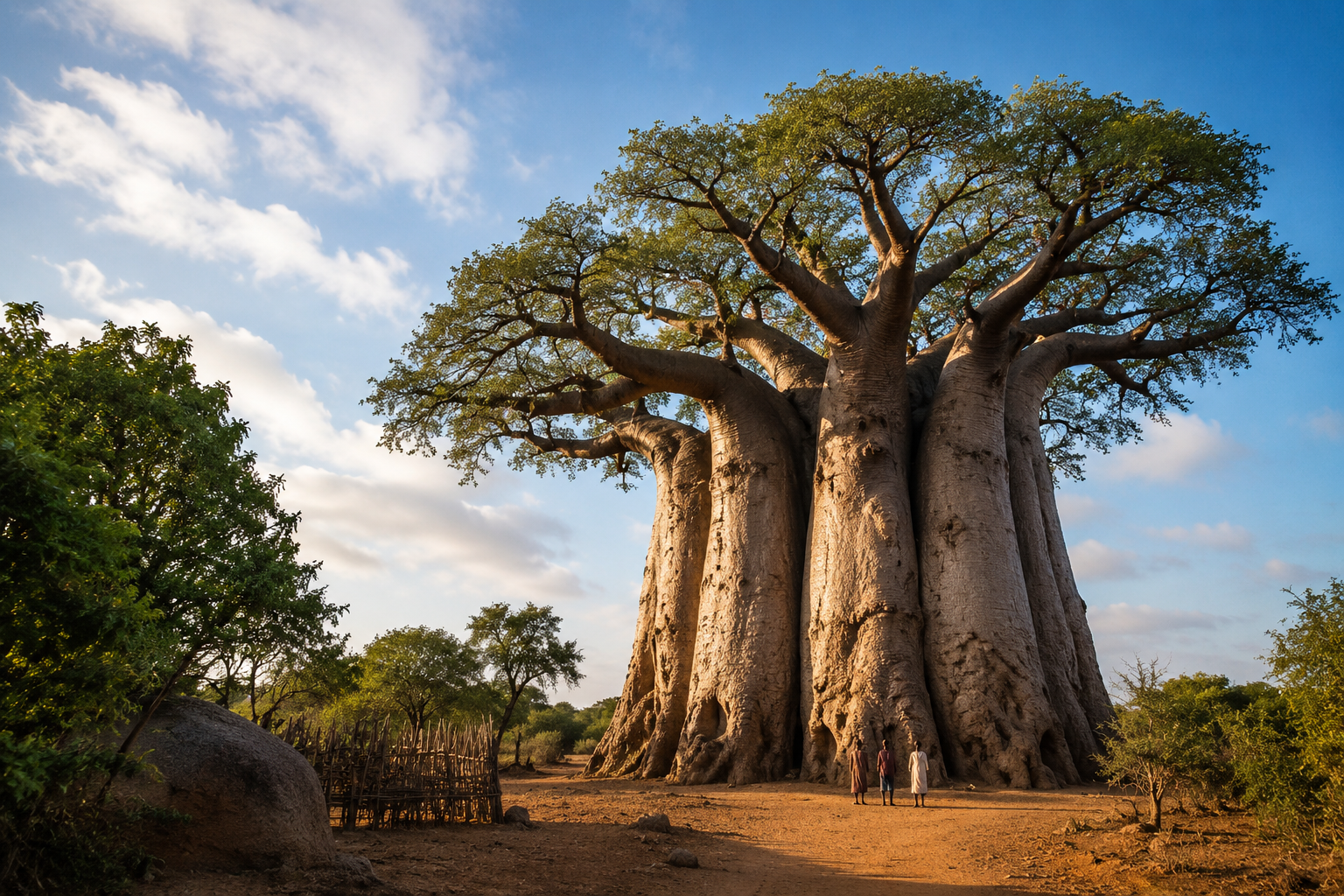
Near the historic town of Kilwa, ancient baobabs stand alongside ruins that once formed one of East Africa’s greatest trading cities.
Their presence adds another layer of history to this UNESCO World Heritage Site.
16. Baobabs of Gonarezhou National Park (Zimbabwe)
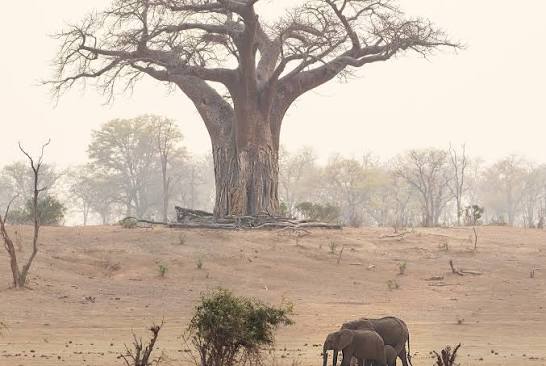
Zimbabwe’s Gonarezhou National Park contains impressive baobab trees scattered across rugged wilderness.
Some are believed to be several centuries old and serve as nesting sites for birds while offering shade to elephants and other wildlife.
17. Ancient Baobabs of Mana Pools National Park (Zimbabwe)
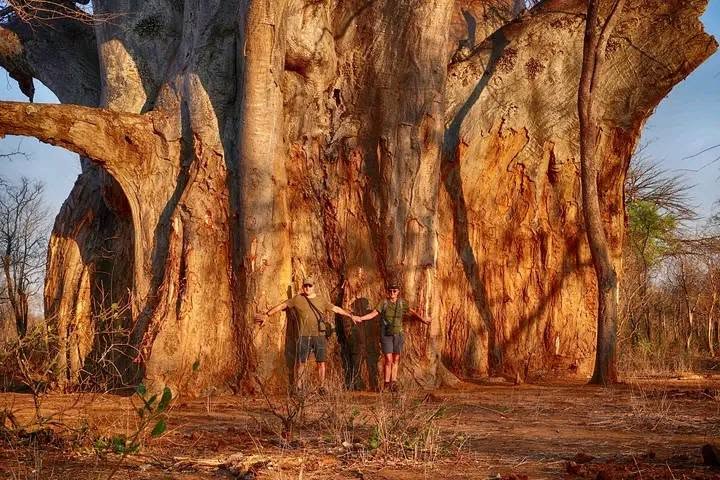
Mana Pools National Park is famous not only for its wildlife but also for its towering baobabs.
These trees form part of one of Africa’s most celebrated wilderness landscapes and have become iconic subjects for wildlife photographers.
18. Grootboom Baobab (Namibia)
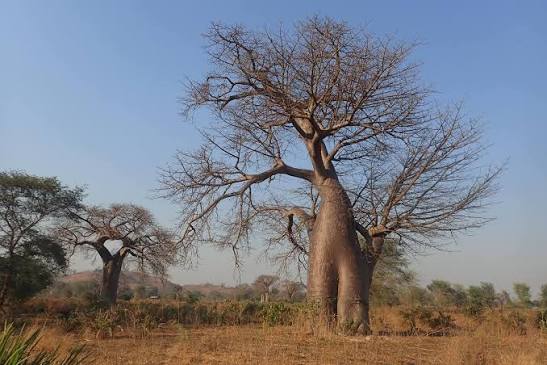
Northern Namibia is home to several enormous baobabs, including the popular Grootboom.
These ancient trees continue to survive in harsh, semi-arid conditions, demonstrating extraordinary resilience against drought.
19. Ancient Baobabs of Tsavo National Park (Kenya)
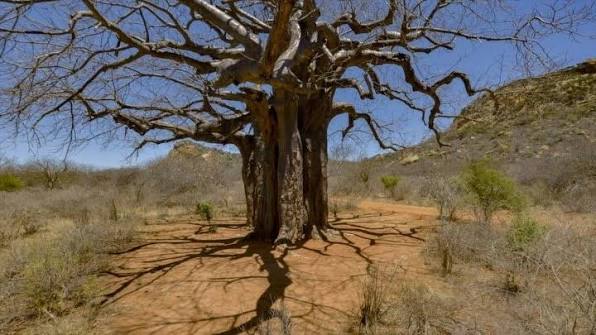
Tsavo National Park’s distinctive red soils and giant baobabs create one of Kenya’s most recognizable landscapes.
Many of these ancient trees have become important landmarks for safari visitors exploring the park.
20. Sacred Trees of Lake Bosomtwe (Ghana)

Communities surrounding Lake Bosomtwe preserve several ancient trees regarded as spiritually significant.
Traditional beliefs continue to protect these trees, reflecting the close relationship between Ghana’s natural environment and cultural heritage.
Why These Trees Matter
Ancient trees are far more than impressive landmarks. They provide habitat for wildlife, stabilize ecosystems, store carbon, and preserve genetic diversity. Many have also become symbols of local identity, connecting present-day communities with traditions that stretch back hundreds of years.
For historians, they offer living links to Africa’s past. For scientists, they provide valuable information about climate change and environmental history. For travelers or tourists, they offer unforgettable experiences rooted in both nature and culture.
Tips for Visiting Ancient Trees
When visiting ancient trees, avoid climbing on trunks or damaging roots, as many are fragile despite their size and age. Stay on designated paths where available and follow any guidance provided by local authorities or conservation organizations.
Hiring a knowledgeable local guide can help you understand the historical and cultural importance of these remarkable trees while supporting local tourism.
Photography is generally welcomed but if a tree is located within a sacred site or community, always ask for permission before taking close up photographs.
Conclusion – Would you like to visit any of the destinations?
Africa’s ancient trees are among the continent’s greatest natural treasures. From the legendary baobabs of Madagascar and southern Africa to the sacred fig trees of Nigeria and Ethiopia, these living giants continue to inspire awe while preserving stories that span centuries.
Exploring these remarkable trees offers more than an opportunity to admire nature. It provides a deeper appreciation of Africa’s history, biodiversity and cultural heritage. Whether standing beside a thousand year old baobab or walking beneath the branches of a sacred fig tree, visitors quickly realize that these trees are not merely part of the landscape, they are living witnesses to Africa’s extraordinary story.
Kindly visit our website Pathcresta for awesome travel information and guides

Mr Derek is the founder and editor of Pathcresta. He specializes in travel, tourism, and destination content, producing accurate, informative and practical guides that help readers explore attractions, plan trips and discover unique experiences across Nigeria and around the world.