
When people think of Benin City, the first places that usually come to mind are the National Museum, the historic palace of the Oba of Benin and the famous bronze artworks that have earned the city international recognition. While these landmarks deserve every bit of attention they receive, they represent only a small part of what the ancient city and its surroundings have to offer.
Beyond the popular attractions lies another side of Benin City, one filled with peaceful nature parks, centuries old earthworks, quiet heritage sites, traditional craft centres, historic villages and lesser known monuments that tell the story of one of Africa’s greatest kingdoms. A lot of these places receive relatively few visitors, making them ideal for travellers who enjoy discovering destinations beyond the usual tourist trail.
Whether you’re planning your first visit or returning to explore more of Edo State, these are Hidden Attractions Around Benin City You Shouldn’t Miss.
1. Emotan Statue
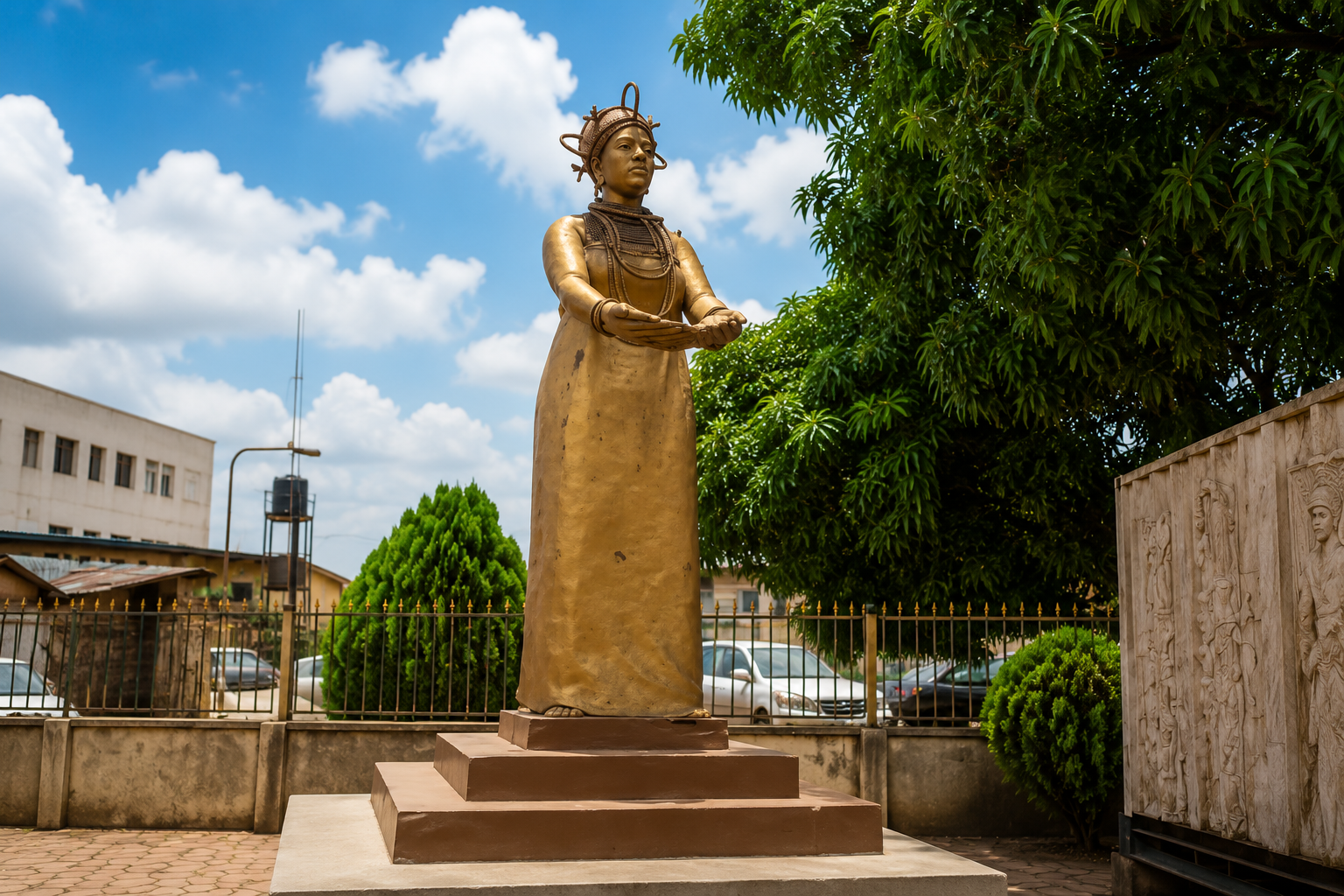
Standing prominently at Kings Square (Ring Road), the Emotan Statue is one of Benin City’s most meaningful landmarks, yet many visitors only stop briefly for photographs without learning the remarkable story behind it.
Emotan was a respected market woman who lived during the 15th century and became known for supporting Prince Ogun, who later became Oba Ewuare the Great, one of the most influential rulers in Benin history. According to Benin oral tradition, her loyalty and courage played a role in helping the prince reclaim the throne.
Today, the statue serves as a symbol of kindness, sacrifice and resilience.
Why visit: It offers a meaningful introduction to Benin’s history before exploring other heritage sites.
2. Igun Street (UNESCO-Recognised Bronze Casting Guild)
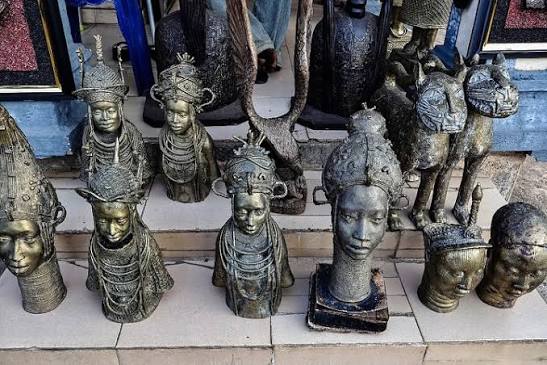
A short distance from the Oba’s Palace lies Igun Street, one of the most culturally significant streets in Nigeria. For centuries, this neighbourhood has been home to the descendants of the royal bronze casters who continue to produce the world-famous Benin Bronzes using the traditional lost-wax casting technique.
Walking through Igun Street is like visiting an open-air workshop. Visitors can watch artisans transform wax, clay and molten metal into intricate sculptures, ceremonial objects and decorative artworks using skills passed down through generations.
Unlike many museums, this is a living tradition that continues to thrive.
Don’t miss: Speak with the artisans about the history behind their craft and watch a live demonstration if available.
3. Benin Moat (The Earthworks of Benin)
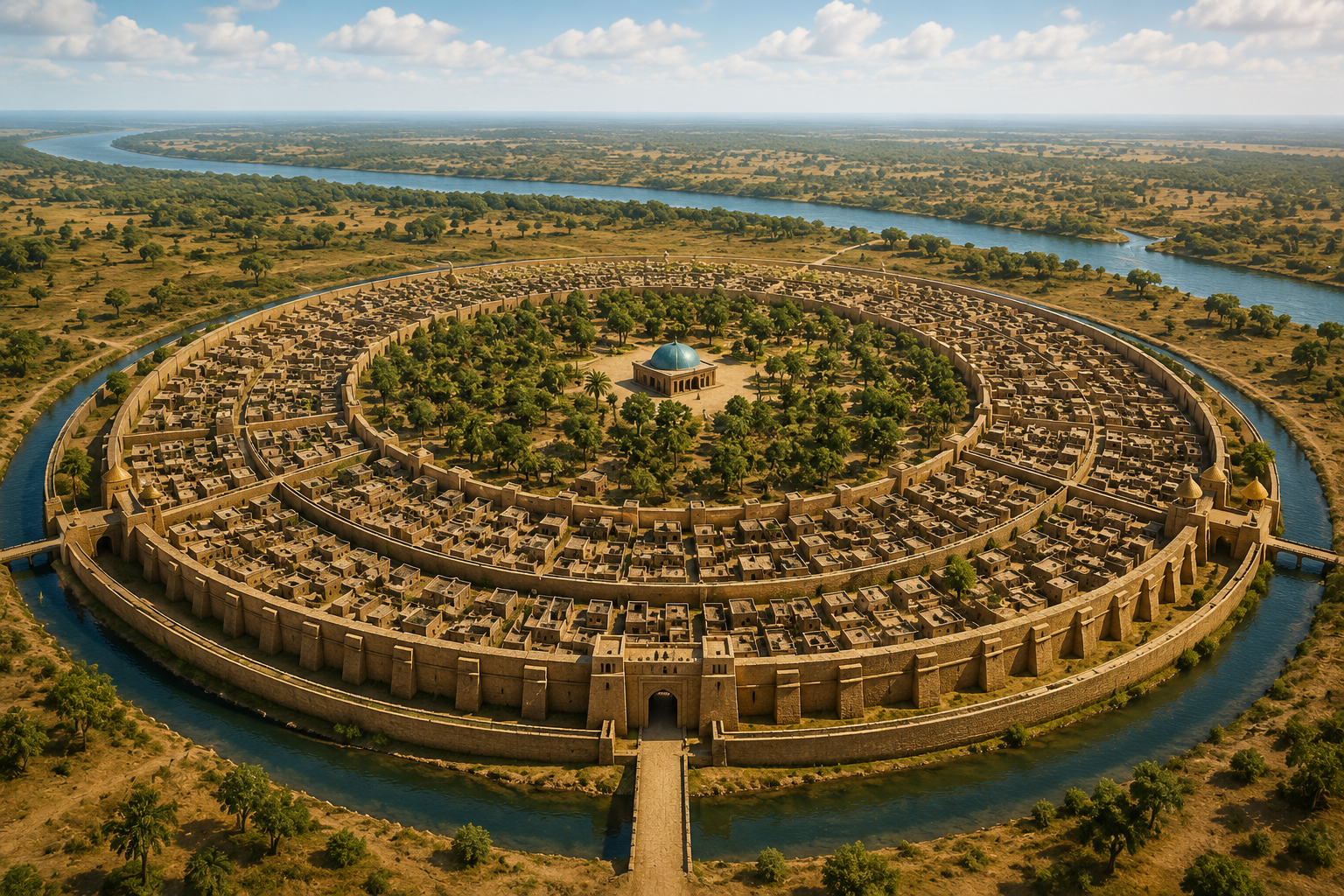
Several travellers are surprised to learn that Benin City was once surrounded by one of the largest man-made earthworks ever constructed.
Known as the Benin Moat or Benin Earthworks, these defensive walls and ditches were built over several centuries to protect the ancient Kingdom of Benin. Historians regard them as one of the greatest engineering achievements in pre colonial Africa
Although much of the original earthwork has been affected by urban development, sections can still be seen around parts of Benin City, offering a fascinating glimpse into the kingdom’s sophisticated planning and defence system.
4. Okomu National Park
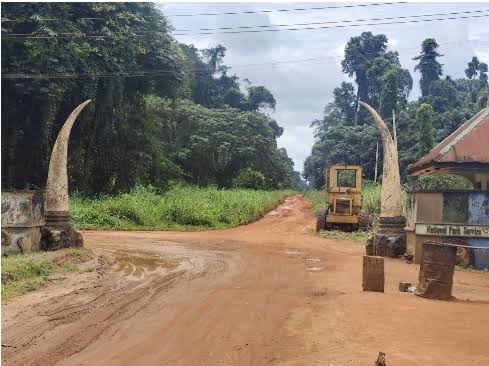
About an hour’s drive from Benin City lies Okomu National Park, one of southern Nigeria’s most important protected forests. The park is home to endangered white-throated monkeys, forest elephants, red river hogs, buffaloes and more than 150 bird species. Elevated canopy walkways and guided forest trails allow visitors to experience one of the last remaining tropical rainforests in the region.
For wildlife lovers, Okomu provides a refreshing contrast to the busy streets of Benin City.
Best for: Birdwatching, wildlife photography, hiking and ecotourism.
5. Okomu Forest Reserve
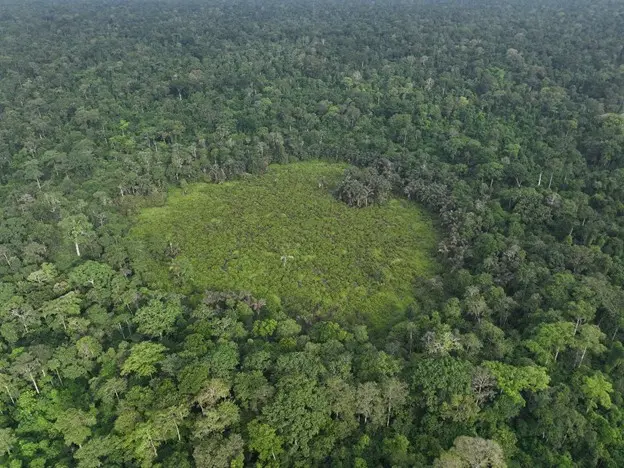
Often confused with the national park, the Okomu Forest Reserve surrounds parts of the protected area and remains one of Nigeria’s most significant rainforest ecosystems.
The reserve supports countless plant species, butterflies, reptiles and birds while playing an important role in biodiversity conservation.
Visitors interested in ecology and sustainable tourism often combine visits to both the reserve and the national park.
6. Benin Golf Course

Hidden among mature trees and landscaped gardens, the Benin Golf Course offers more than just golf. Its peaceful environment makes it an excellent place to relax after a day of sightseeing. Even non-golfers appreciate the quiet atmosphere, walking paths and scenic surroundings.
It’s one of those places numerous visitors overlook despite being easily accessible.
7. Ogba Zoo and Nature Park
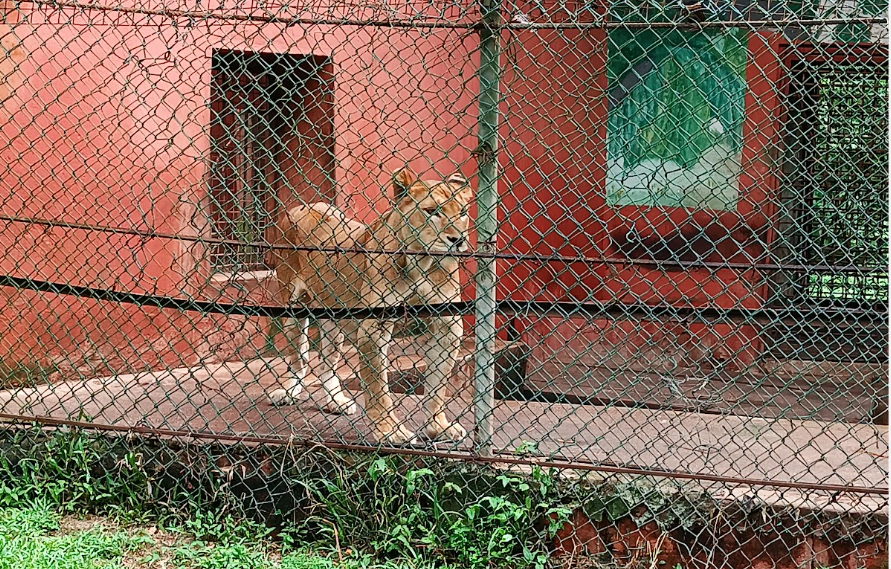
While not exactly unknown, Ogba Zoo and Nature Park receives fewer visitors than it deserves.
The park combines wildlife conservation with recreational facilities, allowing visitors to see lions, crocodiles, monkeys, antelopes, ostriches and numerous bird species.
Shaded picnic areas and walking paths also make it popular among families seeking a relaxing afternoon outdoors.
8. Benin City Wall Remnants
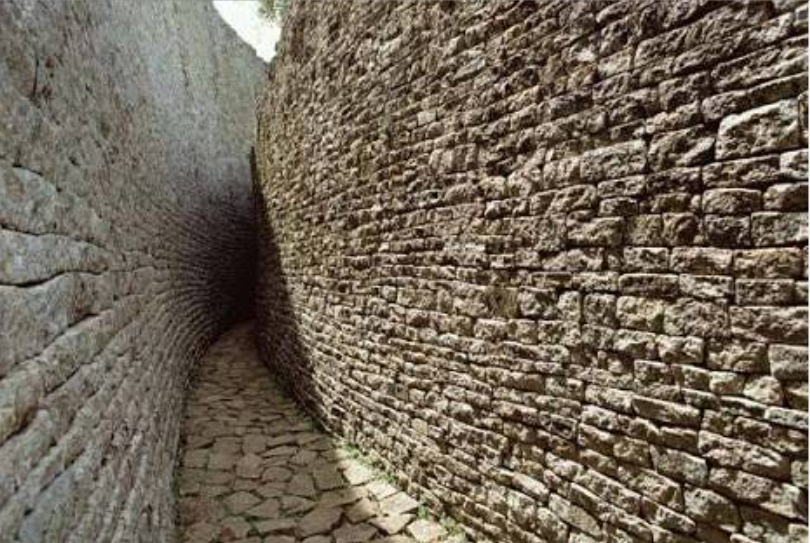
Separate from the larger earthworks, fragments of the ancient city walls can still be found in some older parts of Benin. These surviving sections remind visitors of the city’s once extensive defensive system that impressed early European explorers.
Local guides can help identify areas where remnants remain visible.
9. Siluko Road Traditional Craft Workshops
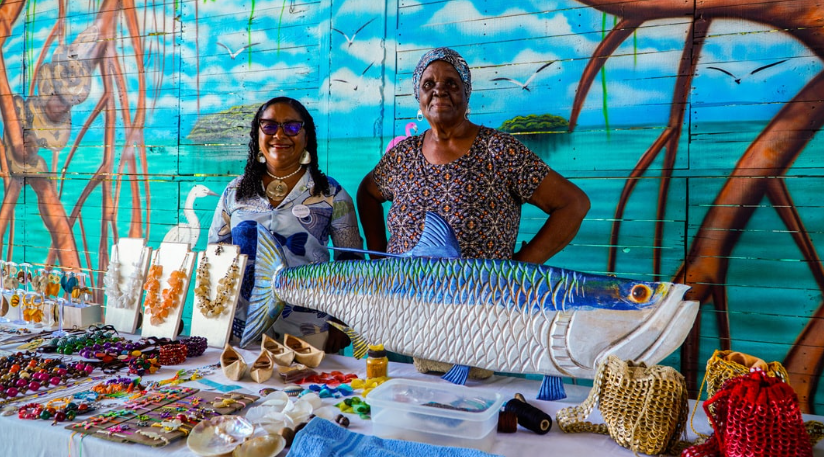
Away from the busy commercial centre, parts of Siluko Road are known for traditional wood carving, beadwork, weaving and other indigenous crafts.
A lot of workshops welcome respectful visitors interested in learning how local artisans preserve techniques inherited over generations.
Purchasing directly from craftsmen also supports local families and helps preserve traditional industries.
10. Gelegele River Port

Located northwest of Benin City, Gelegele has long served as one of Edo State’s historic river communities. The river port played an important role in regional trade and continues to connect nearby communities through inland waterways.
Visitors interested in local history, riverside scenery and community life often find Gelegele a rewarding destination.
11. Holy Aruosa Cathedral
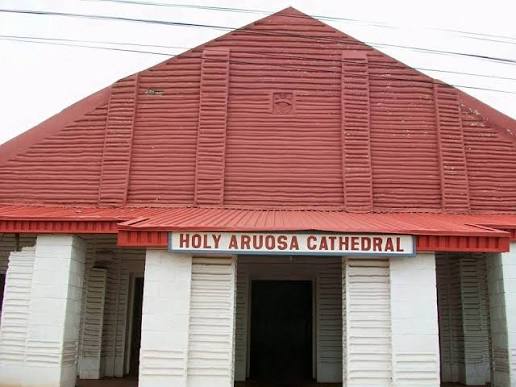
Unlike most churches in Nigeria, Holy Aruosa Cathedral represents an indigenous form of worship established during the reign of Oba Esigie in the early 16th century. It remains closely connected to the traditions of the Benin Kingdom and occupies an important place in the city’s cultural and spiritual history.
Visitors should dress modestly and respect local customs while exploring the site.
12. Ekewan Road Food and Artisan Communities
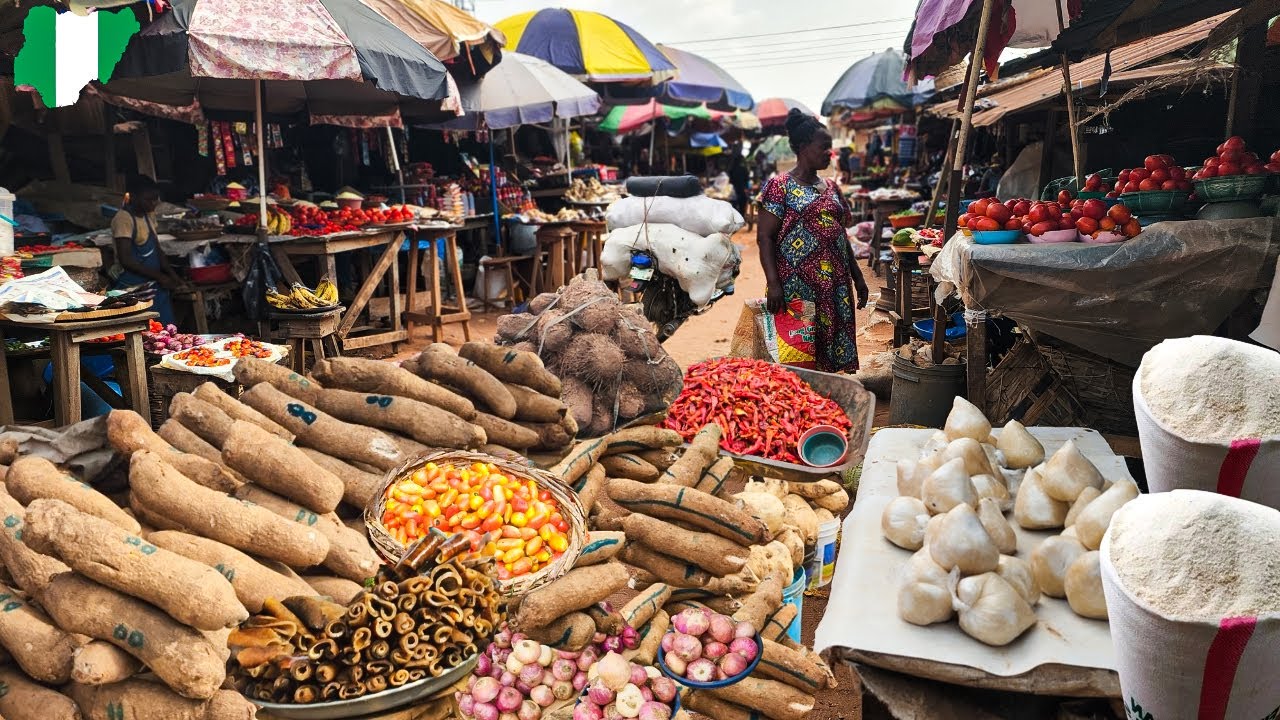
Sometimes the most rewarding travel experiences aren’t found inside major tourist attractions. Around Ekewan Road, visitors can discover local restaurants serving traditional Edo dishes alongside artisans producing handmade crafts and textiles.
Sampling Banga Soup, Owo Soup or Black Soup while interacting with local residents offers a genuine taste of Edo hospitality.
Experience Benin Beyond the Tourist Map
One of the greatest joys of visiting Benin City is wandering beyond the obvious attractions.
Spend time talking with bronze casters about their craft. Visit local markets where traders have worked for generations. Taste traditional Edo cuisine prepared using recipes handed down through families. Watch everyday life unfold in neighbourhoods where history is still part of daily conversation.
These moments often become the memories visitors cherish most.
Before You Go
A little planning can make your trip smoother:
- Hire a knowledgeable local guide when exploring historical sites.
- Visit outdoor attractions early in the day to avoid the afternoon heat.
- Ask permission before photographing artisans or traditional workshops.
- Wear comfortable footwear if visiting forest reserves or earthwork sites.
- Carry cash, as smaller businesses may not accept electronic payments.
- Respect cultural customs, especially around royal and sacred locations.
Best Time to Visit
Benin City can be visited throughout the year, but the dry season (November to March) generally offers the most comfortable conditions for sightseeing.
Roads leading to attractions outside the city are usually easier to navigate and outdoor activities such as wildlife viewing and walking tours become more enjoyable.
During the rainy season, the surrounding forests become especially lush, making destinations like Okomu National Park particularly scenic.
Final Thoughts – Why You Need To Visit
Benin City’s reputation as one of Africa’s oldest royal capitals is well deserved, but some of its greatest experiences lie beyond the landmarks featured in most guidebooks. Hidden among historic streets, rainforest reserves, artisan communities and centuries-old earthworks are places that reveal the true depth of Edo State’s history and culture
Taking time to explore these lesser known attractions offers more than beautiful photographs, it provides a richer understanding of the traditions, craftsmanship and resilience that have shaped the ancient Kingdom of Benin for centuries. For travellers seeking authenticity, these hidden gems prove that Benin City has far more to offer than first meets the eye.
Thank you for reading. Visit Pathcresta for more travel guides, tourism news, destination reviews and travel tips from Nigeria, Africa and around the world.
