
Can Heavy Rain Make Waterfalls Dangerous?
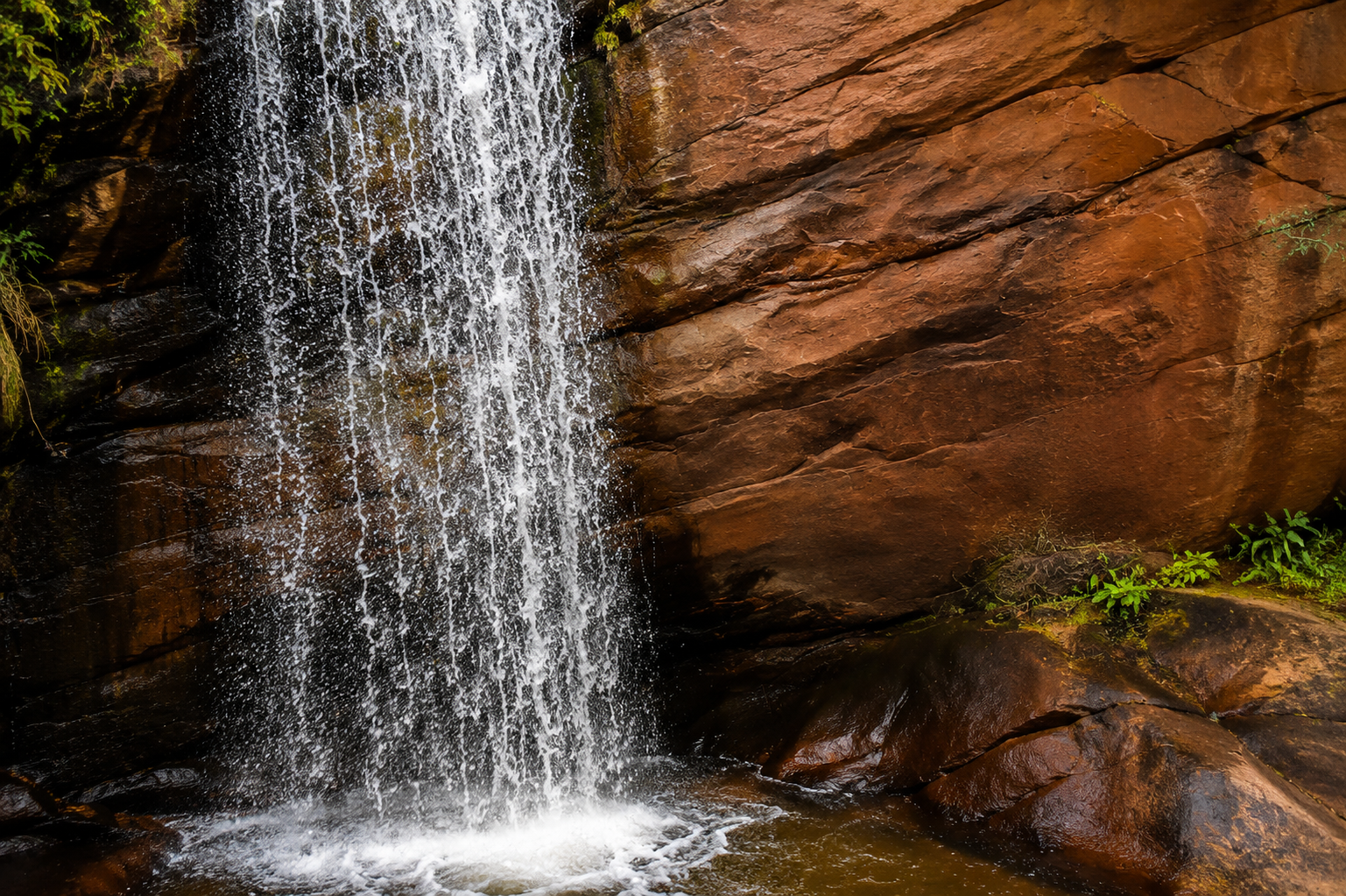
Heavy rain can make waterfalls dangerous, but it can also reveal a side of nature that many travelers never get to see. The difference between a memorable adventure and a risky experience often comes down to understanding how waterfalls respond to rainfall. If you’re planning to visit a waterfall in Nigeria or anywhere else, knowing what changes after a storm could help you enjoy the scenery while staying safe
There’s something captivating about a waterfall after a heavy downpour. The water crashes down with greater force, the surrounding forest looks greener and the cool mist fills the air. It’s easy to understand why a lot of people believe this is the perfect time to visit. Yet beneath that dramatic beauty lies a powerful natural system that can change within minutes.
When Beauty Becomes Unpredictable
A waterfall doesn’t only depend on the rain falling where visitors are standing. Water may be traveling from rivers, streams, or hills many kilometers away. This means a waterfall can suddenly swell even under clear skies.
Lot’s of first-time visitors find this surprising. They may arrive at a calm-looking attraction only to discover that the water level has risen dramatically because of rainfall that occurred upstream several hours earlier.
Nature doesn’t always give advance notice.
Every Waterfall Reacts Differently
Not all waterfalls respond to rainfall in the same way. A waterfall surrounded by thick forests may experience only a gradual increase in water flow, while another fed by steep hills or narrow rivers can become much more powerful in a short period.
Factors that influence how a waterfall reacts include:
- The size of its river basin
- The amount of recent rainfall
- The surrounding terrain
- Soil drainage
- River depth
- Seasonal weather patterns
This is why two waterfalls located in the same state may have completely different conditions on the same day.
The Hidden Danger Isn’t Always the Water
When people think about waterfall accidents, they often imagine being swept away by fastmoving water. In reality, many incidents happen before visitors even reach the waterfall.
Heavy rain can create hazards such as:
- Muddy walking trails
- Loose rocks
- Fallen tree branches
- Washed out footpaths
- Poor visibility
A simple walk that normally takes fifteen minutes may suddenly require much greater caution.
Why Local Guides Watch the Weather
Experienced guides rarely judge safety by looking only at the waterfall. Instead, they pay attention to changing weather conditions, river behavior and local forecasts.
They understand that rainfall in nearby communities may affect water levels long before visitors notice any visible changes.
This local knowledge is one reason guided visits can be especially valuable during the rainy season.
The Power of Fast Moving Water
Water doesn’t need to be deep to be dangerous. A shallow stream with a powerful current can easily knock someone off balance, particularly on smooth rocks.
As water volume increases, so does its force.
Objects such as branches, stones, and floating debris may also be carried downstream, creating additional hazards for anyone standing too close.
Why Visitors Should Respect Safety Barriers
Safety barriers sometimes seem unnecessary, especially when the view beyond them looks harmless. However, these barriers are usually placed after years of observing visitor behavior and identifying dangerous areas.
Crossing them for a better photograph may expose visitors to unstable ground or slippery surfaces that aren’t immediately obvious.
The safest photograph is always one taken from an approved viewing area.
Rain Can Transform the Entire Landscape
Heavy rainfall doesn’t only affect the waterfall itself.
The surrounding environment also changes.
Visitors may notice:
- Thicker vegetation
- Increased mist
- Cooler temperatures
- Stronger river currents
- More active streams
- Higher humidity
These changes often make the scenery even more spectacular while reminding visitors that nature is constantly evolving.
Nigeria’s Waterfalls During the Rainy Season
A lot of Nigeria’s famous waterfalls become particularly impressive after periods of rain.
Destinations such as Agbokim Waterfalls, Erin Ijesha Waterfalls, Gurara Waterfalls, Awhum Waterfall and Matsirga Waterfalls often display stronger water flow during the rainy months. For photographers and nature enthusiasts, this can be one of the most rewarding times to visit.
However, visitors should always follow instructions from site managers, local guides and park officials as access to certain areas may be restricted when conditions become unsafe.
Simple Decisions That Make a Big Difference
Enjoying a waterfall safely doesn’t require special skills.
It usually comes down to making sensible choices.
Visitors can reduce risk by:
- Checking the weather forecast before traveling.
- Wearing footwear with good grip.
- Staying on marked paths.
- Keeping a safe distance from the edge.
- Avoiding swimming in strong currents.
- Listening to local advice.
- Leaving the area if weather conditions worsen.
These precautions allow travelers to appreciate the beauty of waterfalls without exposing themselves to unnecessary danger.
A Visit Worth Waiting For
Sometimes the safest decision is simply to postpone your trip.
Waterfalls will still be there after the storm has passed and waiting for more stable conditions often results in a more enjoyable experience.
Good travel isn’t about taking unnecessary risks, it’s about knowing when to explore and when to let nature take its course.
Final Thoughts
Can heavy rain make waterfalls dangerous? Yes, it certainly can. Heavy rainfall increases water flow, strengthens currents, creates slippery paths and can trigger sudden changes in river conditions. At the same time, it also reveals some of the most breathtaking views a waterfall can offer
By respecting nature, staying informed and following safety advice, visitors can experience these remarkable destinations while minimizing risk. A little preparation goes a long way toward ensuring that the only lasting memory is the beauty of the waterfall itself.
Thank you for reading. Make sure you always visit our website Pathcresta for more travel guides, tourism news, destination reviews and travel tips from Nigeria, Africa and around the world.

Mr Derek is the founder and editor of Pathcresta. He specializes in travel, tourism, and destination content, producing accurate, informative and practical guides that help readers explore attractions, plan trips and discover unique experiences across Nigeria and around the world.


