
Osun-Osogbo Festival Travel Guide 2026: Everything You Need to Know Before You Go
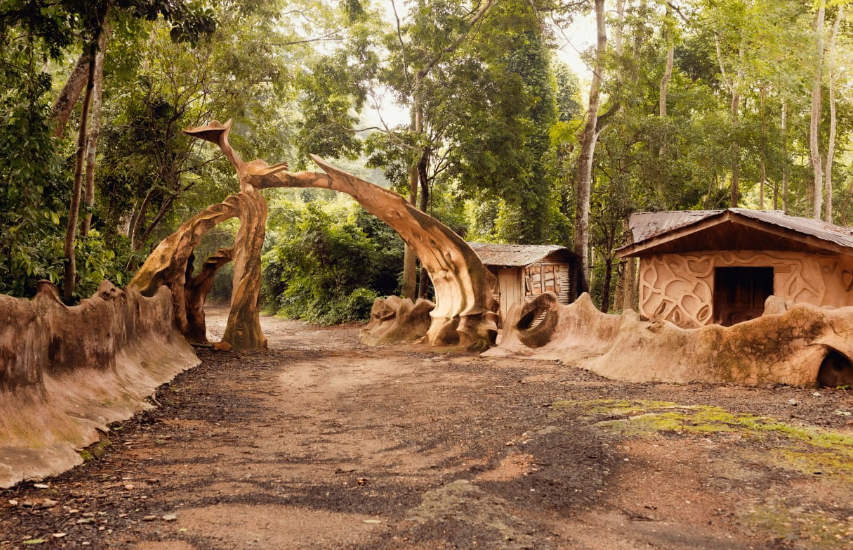
Long before you reach the entrance of the Osun-Osogbo Sacred Grove, you’ll know something extraordinary is happening. The roads leading into Osogbo become livelier than usual, traditional drums echo through the streets, traders display colorful fabrics and handcrafted souvenirs, while visitors from different parts of Nigeria and beyond gather with a shared purpose to witness one of Africa’s most respected cultural festivals.
Scheduled to reach its grand finale on Friday, August 7, 2026, the Osun-Osogbo Festival is more than an annual celebration. It is a living tradition that has endured for centuries, preserving Yoruba beliefs, customs and artistic expression in a way few festivals still do today.
If you’re planning your first visit, this guide walks you through the experience from the moment you decide to travel until the day you leave Osogbo.
Before You Leave Home
The biggest mistake a lot of first time visitors make is assuming the Osun-Osogbo Festival is just another street carnival. It isn’t.
Unlike entertainment festivals, this event is deeply rooted in Yoruba spirituality and tradition. While visitors are welcome regardless of their beliefs, understanding the cultural importance of the festival helps you appreciate every procession, prayer, drumbeat and ritual you’ll witness.
Before travelling, reserve your hotel early. Thousands of visitors arrive during festival week and accommodation near the Sacred Grove often fills up quickly.
If you’re travelling from outside Osun State, prepare your transportation several weeks in advance, especially if you’re coming from Lagos, Abuja, Port Harcourt or other major cities.
Your Journey to Osogbo
Getting to Osogbo is relatively straightforward. Most visitors arrive by road, with luxury buses and private vehicles connecting the city to Lagos, Ibadan, Akure, Ilorin, Abeokuta and Abuja.
If you’re flying, the closest airports are in Ibadan and Akure, both of which are within reasonable driving distance of Osogbo.
As you approach the city during festival week, roadside banners, decorated streets and increasing traffic quickly remind you that one of Nigeria’s biggest cultural events is about to begin.
Your First Evening in Osogbo
Rather than rushing directly to the Sacred Grove, spend your first evening discovering the city itself.
Walk through local markets where traders sell handmade beads, Adire textiles, carved sculptures, traditional drums and locally crafted jewellery.
Visit a nearby restaurant and enjoy authentic Yoruba dishes such as Amala, Ewedu, Gbegiri, Efo Riro or Ofada Rice.
This slower introduction allows you to experience everyday life in Osogbo before the excitement of the festival begins.
Festival Morning
Festival day starts much earlier than many visitors expect.
By sunrise, the city is already awake.
Traditional drummers begin performing.
Families prepare for the day’s celebrations.
Pilgrims dressed in white make their way towards the Sacred Grove.
Street vendors arrange food, drinks, handcrafted artwork and souvenirs.
If you hope to secure a good viewing position, arriving before 8:00 a.m. is a smart decision.
The closer the grand procession gets, the larger the crowds become.
The Walk to the Sacred Grove
One of the most memorable parts of attending the Osun-Osogbo Festival is simply walking alongside thousands of people heading towards the Sacred Grove.
The atmosphere changes with every step.
Traditional chants replace ordinary conversation.
Talking drums communicate messages understood by experienced performers.
Colourful Yoruba attire fills the streets.
Photographers search for the perfect angle while visitors pause to admire traditional beadwork and ceremonial clothing.
Even before reaching the grove, the journey itself becomes part of the experience.
Inside the Sacred Grove
Stepping inside the Osun-Osogbo Sacred Grove feels like entering another world.
Towering trees provide natural shade while winding footpaths lead visitors past centuries-old shrines, sculptures, sacred altars and the peaceful Osun River.
Unlike many tourist attractions, this is not simply a place to take photographs.
It remains an active spiritual site respected by traditional worshippers throughout the year.
Visitors are encouraged to remain respectful, avoid disturbing ceremonies and follow instructions given by festival officials and local custodians.
The Moment Everyone Waits For
Among all the festival activities, one moment captures everyone’s attention.
The arrival of the Arugba.
Carrying the sacred calabash, the Arugba leads an important ceremonial procession through thousands of cheering spectators before entering the Sacred Grove.
For many Yoruba people, this procession represents blessings, peace, prosperity and hope for the coming year.
For visitors, it becomes one of the most unforgettable sights of the entire festival.
Beyond the Ceremony
Many first-time visitors leave immediately after the main rituals conclude.
That would be a mistake.
The hours that follow often provide the best opportunities to experience local culture.
Traditional musicians continue performing.
Artists display paintings and sculptures inspired by Yoruba mythology.
Food vendors prepare freshly cooked local meals.
Craft markets become busy with visitors searching for unique souvenirs.
This is also an excellent time to interact with local residents, many of whom enjoy sharing stories about the festival’s history and significance.
Where to Stay Without Missing the Action
Choosing accommodation close to the festival venue makes the experience much easier.
Hotels such as Western Sun International Hotel, Ideal Nest Hotel, Atlantis Grand Suites, Royal Continental Suites and Treasure Suites provide convenient access to the Sacred Grove while offering comfortable rooms after a long day outdoors.
Booking early is highly recommended because August is one of Osogbo’s busiest tourism periods.
What Many Visitors Forget
Comfort matters.
You’ll likely spend several hours walking.
Choose breathable clothing suitable for warm weather.
Comfortable footwear is far more important than fashionable shoes.
Carry drinking water, sunscreen, sunglasses, a fully charged power bank and a small backpack for personal items.
These simple preparations can make a significant difference during a full day outdoors.
Before You Leave Osogbo
If your schedule allows, spend another day exploring the city.
Visit the National Museum Osogbo to learn more about Yoruba history.
Browse local art galleries that have made Osogbo famous for contemporary African art.
Shop for handcrafted souvenirs in local markets.
Enjoy one final meal featuring traditional Yoruba cuisine before beginning your journey home.
Lot’s of visitors discover that the city itself is just as memorable as the festival.
Is the Festival Worth Traveling For?
Absolutely.
The Osun-Osogbo Festival isn’t simply an event you watch, it’s one you experience.
From the early morning journey through Osogbo’s lively streets to the spiritual atmosphere of the Sacred Grove and the colourful displays of Yoruba culture, every stage of the festival offers something meaningful.
Whether you’re a cultural explorer, photographer, historian or simply someone looking to discover another side of Nigeria, the Osun-Osogbo Festival provides an experience that remains with you long after you’ve returned home.
Final Thoughts – Why you must visit
The Osun-Osogbo Festival 2026 is more than a date on the calendar, it’s a journey into the heart of Yoruba culture and one of Nigeria’s most treasured traditions. With the grand finale taking place on Friday, August 7, 2026, visitors have the opportunity to witness centuries old customs in a setting that is both spiritually significant and naturally beautiful
Rather than treating the festival as a quick day trip, consider spending several days in Osogbo. Explore its markets, sample its cuisine, visit its museums and experience the warmth of its people. By doing so, you’ll leave with more than photographs, you’ll leave with a deeper appreciation of the history, culture and traditions that continue to make the Osun-Osogbo Festival one of Africa’s most remarkable cultural celebrations.
Thank you for reading. Please visit Pathcresta for more travel guides, tourism news, destination reviews and travel tips from Nigeria, Africa and around the world.

Mr Derek is the founder and editor of Pathcresta. He specializes in travel, tourism, and destination content, producing accurate, informative and practical guides that help readers explore attractions, plan trips and discover unique experiences across Nigeria and around the world.


