Everything You Need to Know About the Osun-Osogbo Festival 2026
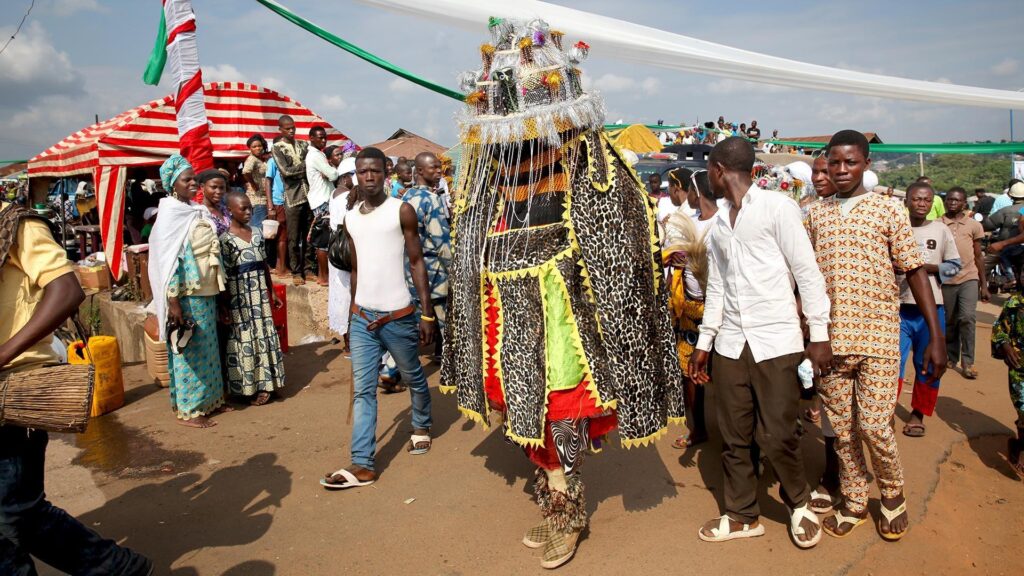
Every August, the quiet city of Osogbo transforms into one of Nigeria’s busiest cultural destinations. Roads become lined with visitors dressed in colourful traditional attire, the sound of talking drums echoes through the streets and thousands of people make their way toward a sacred forest that has served as a place of worship for centuries.
This is the Osun-Osogbo Festival, an annual celebration that combines spirituality, history, art and tourism in a way few festivals can.
The Osun-Osogbo Festival 2026 is expected to attract worshippers, tourists, researchers, photographers and culture enthusiasts from different parts of Nigeria and across the world. Whether you’re planning to attend for the first time or simply want to learn more about this remarkable event, this guide covers everything you need to know before your visit.
What Is the Osun-Osogbo Festival?
The Osun-Osogbo Festival is an annual cultural and spiritual festival held in honour of Osun, the Yoruba goddess believed to represent fertility, purity, protection and the life-giving power of water. The celebration has been observed for hundreds of years and remains one of the most important traditional festivals in Yorubaland.
Although the festival has deep religious roots, it has also become one of Nigeria’s leading cultural tourism events, attracting visitors regardless of their religion or nationality.
When Is the Osun-Osogbo Festival 2026?
The grand finale of the Osun-Osogbo Festival 2026 is scheduled for:
Friday, August 7, 2026
The grand finale is the climax of the festival, but celebrations begin several days earlier with traditional rites, community gatherings, cultural activities and royal ceremonies.
A lots of visitors choose to arrive at least one or two days before August 7 to experience more than just the final procession.
Where Does the Festival Take Place?
The festival is held at the Osun-Osogbo Sacred Grove in Osogbo, the capital of Osun State.
Situated along the banks of the Osun River, the Sacred Grove covers about 75 hectares of protected forest and contains sacred shrines, sculptures, ancient trees, traditional worship sites and ceremonial spaces.
In 2005, UNESCO designated the grove as a World Heritage Site, recognizing its outstanding cultural significance and its role in preserving Yoruba traditions.
Why Is the Festival Important?
For many Yoruba people, the Osun-Osogbo Festival is a sacred event that represents gratitude, renewal and prayers for prosperity.
Beyond its spiritual significance, the festival also serves to:
- Preserve Yoruba cultural traditions.
- Promote Nigerian tourism.
- Support local artists and craftsmen.
- Encourage cultural exchange.
- Strengthen community identity.
- Introduce younger generations to their heritage.
This combination of spirituality and culture is what makes the festival unique.
What Happens During the Festival?
Although the grand finale receives the most attention, the festival includes several important activities spread over multiple days.
These often include:
- Traditional cleansing ceremonies
- Royal palace events
- Cultural performances
- Traditional drumming
- Dance displays
- Art exhibitions
- Community celebrations
- Religious rites
- Craft exhibitions
- Food fairs
Each event contributes to the overall significance of the festival.
The Arugba: A Symbol of the Festival
One of the most anticipated moments is the appearance of the Arugba.
The Arugba is a young maiden chosen to carry a sacred calabash containing offerings for the Osun deity. Accompanied by priests, chiefs, traditional worshippers, musicians and thousands of followers, she leads a ceremonial procession from the palace to the Sacred Grove.
The procession is regarded as one of the most symbolic aspects of the festival and represents prayers for peace, unity, protection and prosperity.
Exploring the Osun-Osogbo Sacred Grove
Even outside the festival season, the Sacred Grove remains one of Nigeria’s most remarkable tourist attractions.
Visitors can explore:
- Ancient shrines
- Sacred sculptures
- The Osun River
- Traditional worship areas
- Forest trails
- Historic monuments
- Indigenous plant life
Numerous sculptures found throughout the grove were created by Austrian-born artist Susanne Wenger, who dedicated much of her life to preserving Yoruba traditional religion and art.
Who Can Attend?
The Osun-Osogbo Festival welcomes everyone.
Visitors include:
- Local residents
- Traditional worshippers
- Domestic tourists
- International tourists
- Historians
- Students
- Researchers
- Photographers
- Travel bloggers
- Documentary filmmakers
You do not have to be a follower of Yoruba traditional religion to attend but respecting local customs is essential.
What Should You Wear?
Since much of the festival takes place outdoors, comfortable clothing is recommended.
Many visitors wear:
- Lightweight cotton clothing
- Comfortable walking shoes
- Traditional Yoruba attire
- Hats or caps
- Sunglasses
Modest dressing is encouraged because of the spiritual nature of many ceremonies.
What Should You Bring?
Packing a few essentials can make your visit more enjoyable.
Recommended items include:
- Drinking water
- Sunscreen
- Mobile phone
- Power bank
- Camera
- Small backpack
- Umbrella
- Personal medications
- Identification
These items help visitors stay comfortable throughout the day.
Where Should You Stay?
Accommodation demand increases significantly during festival week.
Some of the popular hotels in Osogbo include:
- Western Sun International Hotel
- Ideal Nest Hotel
- Atlantis Grand Suites
- Royal Continental Suites
- Treasure Suites
- Leisure Springs Hotel
- NUD Hotel
Booking several weeks in advance is highly recommended.
What Can You Eat?
The festival provides an excellent opportunity to experience authentic Yoruba cuisine.
Popular dishes include:
- Amala with Ewedu and Gbegiri
- Pounded Yam with Egusi Soup
- Efo Riro
- Ofada Rice
- Akara
- Moin Moin
- Asun
- Suya
Numerous restaurants and food vendors operate throughout the festival period.
Things to Do Beyond the Festival
While in Osogbo, take time to explore other attractions.
National Museum Osogbo
Learn about Yoruba history through historical artifacts and cultural exhibitions.
Osogbo Art Galleries
Osogbo is internationally known for its artistic heritage, making local galleries worth visiting.
Osogbo Central Market
Browse handcrafted souvenirs, Adire fabrics, beads, carvings and locally made artwork.
Nelson Mandela Freedom Park
A peaceful location for relaxation after a busy day of sightseeing.
Photography Tips
The Osun-Osogbo Festival offers endless photography opportunities.
Some of the best subjects include:
- Traditional dancers
- Cultural processions
- Sacred sculptures
- Forest scenery
- Traditional attire
- Local musicians
- Yoruba drummers
Remember to seek permission before photographing individuals during sensitive religious ceremonies.
Useful Travel Tips
To make your trip smoother:
- Arrive in Osogbo before the grand finale.
- Reserve your hotel early.
- Wear comfortable shoes.
- Stay hydrated.
- Respect sacred areas.
- Follow directions from festival officials.
- Carry some cash for local purchases.
- Keep valuables secure in crowded areas.
Simple preparation can greatly improve your festival experience.
Frequently Asked Questions
Is there an entrance fee?
Public access to many festival activities is generally free, although guided tours, transportation or special packages offered by private operators may involve additional costs.
Is the festival suitable for children?
Yes. Families often attend the festival together, though children should be closely supervised in crowded areas.
Can foreigners attend?
Absolutely. The festival welcomes international visitors every year and has become one of Nigeria’s leading cultural tourism events.
How long should I stay?
A stay of two to three days allows enough time to experience the festival, visit the Sacred Grove, explore Osogbo and enjoy local cuisine.
Why You Should Experience It at Least Once
The Osun-Osogbo Festival is more than an annual gathering, it is a living expression of Yoruba identity, preserved through generations and shared with the world. From the sacred procession of the Arugba to the rhythmic beats of traditional drums and the peaceful atmosphere of the Osun-Osogbo Sacred Grove, every moment offers insight into a culture that continues to thrive.
Whether you visit for its spiritual significance, artistic heritage or cultural richness, the festival provides an unforgettable experience that goes beyond sightseeing.
Conclusion
The Osun-Osogbo Festival 2026 is one of the best opportunities to experience Nigeria’s cultural diversity firsthand. Scheduled to culminate on Friday, August 7, 2026, at the Osun-Osogbo Sacred Grove, the festival brings together centuries-old traditions, vibrant performances and visitors from around the globe.
Planning ahead, respecting local customs, and taking time to explore Osogbo beyond the festival will help you gain a deeper appreciation of this extraordinary celebration. For anyone interested in culture, history, spirituality or travel, the Osun-Osogbo Festival deserves a place on your travel calendar.
Thank you for reading! At Pathcresta, we’re passionate about helping you discover remarkable destinations. Explore more travel guides, hidden gems, destination reviews, tourism news and expert travel tips from Nigeria, Africa and around the world.

Mr Derek is the founder and editor of Pathcresta. He specializes in travel, tourism, and destination content, producing accurate, informative and practical guides that help readers explore attractions, plan trips and discover unique experiences across Nigeria and around the world.