
Famous Historical Sites Around Enugu Every Traveler Should Visit
Famous Historical Sites Around Enugu offer visitors a fascinating journey through the history of southeastern Nigeria. While Enugu is popularly known as the Coal City, its story goes far beyond coal mining. The state is home to colonial era landmarks, historic religious sites, archaeological discoveries, traditional communities and monuments that reflect its role in Nigeria’s economic, political and cultural development.
From the discovery of coal in the early 20th century to the Nigerian Civil War and centuries-old Igbo traditions, Enugu preserves numerous sites that help tell the story of the region. Whether you’re passionate about history, architecture or cultural heritage, these landmarks deserve a place on your travel itinerary.
This guide explores some of the most significant historical sites in and around Enugu, along with their locations and why they remain important today.
1. Iva Valley Coal Mine
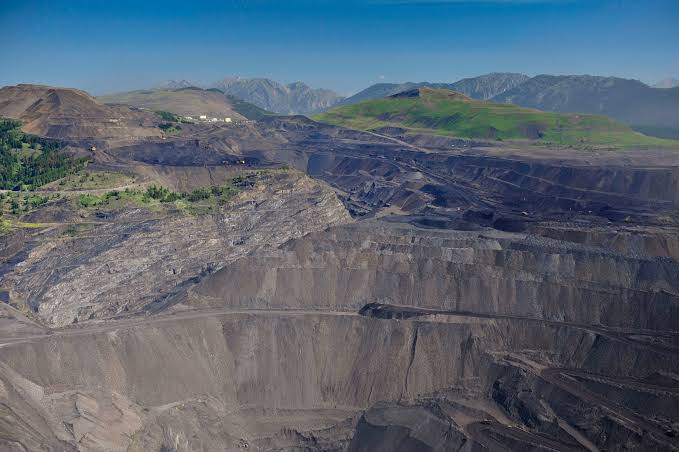
Location: Iva Valley, Enugu North Local Government Area, Enugu State, Nigeria.
No historical tour of Enugu is complete without visiting the Iva Valley Coal Mine, the site that helped shape the city’s identity. Coal was first discovered in Enugu in 1909, leading to the development of one of West Africa’s most important mining industries during the colonial era. The mine supplied coal for Nigeria’s railways, electricity generation and shipping, contributing significantly to the country’s economic growth.
The site is also remembered for the Iva Valley Massacre of 1949, when striking coal miners were shot during a protest against colonial authorities. The incident became a turning point in Nigeria’s labor movement and strengthened calls for independence.
Although mining operations have long ceased, Iva Valley remains one of the country’s most historically significant industrial sites in Enugu-state Nigeria
2. National Museum, Enugu
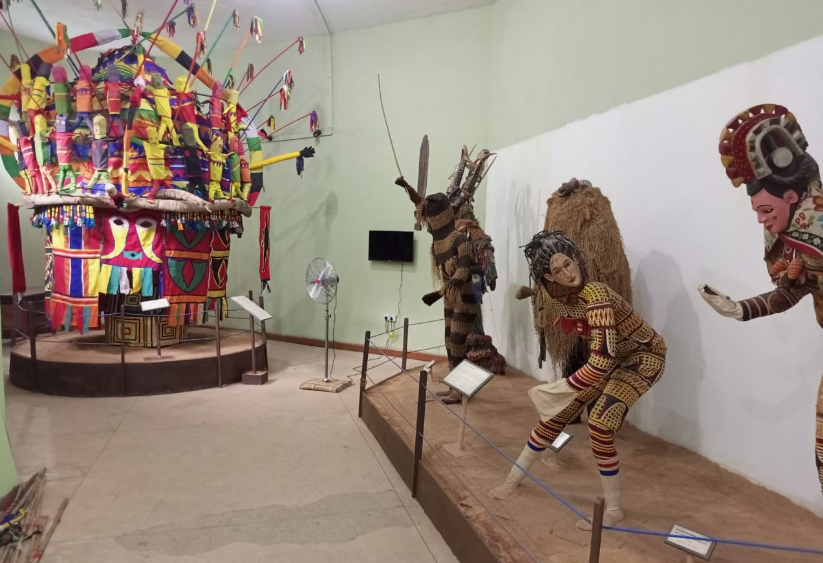
Location: Abakaliki Road, Enugu North Local Government Area, Enugu State, Nigeria.
The National Museum houses an extensive collection of archaeological discoveries, traditional artifacts, ancient pottery, sculptures, musical instruments and cultural objects from southeastern Nigeria. Visitors gain valuable insight into Igbo civilization, traditional craftsmanship and the region’s cultural evolution.
The museum also serves as an educational center for researchers, students and tourists interested in Nigerian history.
3. Okpara Square

Location: Independence Layout, Enugu North Local Government Area, Enugu State, Nigeria.
Named after Dr. Michael Iheonukara Okpara, one of Nigeria’s most respected political leaders and the former Premier of the Eastern Region, Okpara Square is more than just an open public space. The square has hosted major national celebrations, political events, cultural festivals and public ceremonies for decades.
Its central location makes it one of Enugu’s most recognizable landmarks.
4. Enugu Government House Area
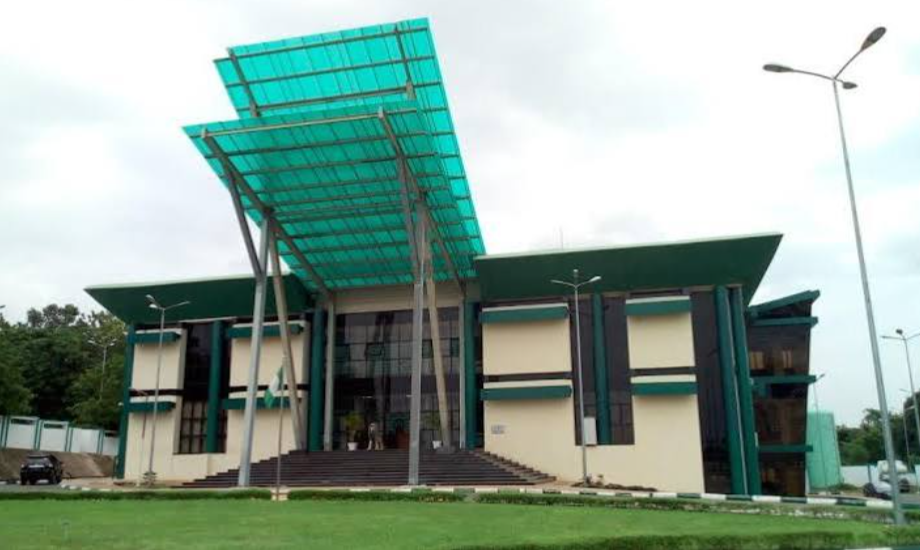
Location: Independence Layout, Enugu North Local Government Area, Enugu State, Nigeria.
The Government House district represents an important part of Enugu’s administrative history. A lot of government buildings in the area reflect the city’s colonial planning, when Enugu served as an important administrative center for the Eastern Region.
The neighborhood also showcases wide roads, mature trees and well planned layouts characteristic of colonial-era urban development.
5. Ogui Government Reserved Area (GRA)
Location: Ogui, Enugu North Local Government Area, Enugu State, Nigeria.
The Government Reserved Area (GRA) was developed during British colonial rule to accommodate senior colonial officers. Today, many streets still reflect the architectural planning and urban design introduced during that period.
Walking through parts of Ogui GRA offers visitors a glimpse into Enugu’s colonial past.
6. Awhum Monastery

Location: Awhum, Udi Local Government Area, Enugu State, Nigeria.
Established by the Catholic Church, Awhum Monastery has become one of southeastern Nigeria’s most important religious destinations. Beyond its spiritual significance, the monastery has attracted pilgrims and visitors for decades because of its peaceful environment and proximity to the famous Awhum Waterfall
The site represents an important chapter in the growth of Christianity in the region.
7. Awhum Waterfall
Location: Awhum, Udi Local Government Area, Enugu State, Nigeria.
Although primarily known as a natural attraction, Awhum Waterfall also holds historical and spiritual importance. For generations, local communities have regarded the waterfall as a special place and today it continues to attract pilgrims alongside tourists exploring Enugu State.
Its connection with the nearby monastery adds cultural depth to every visit.
8. Nsude Pyramids
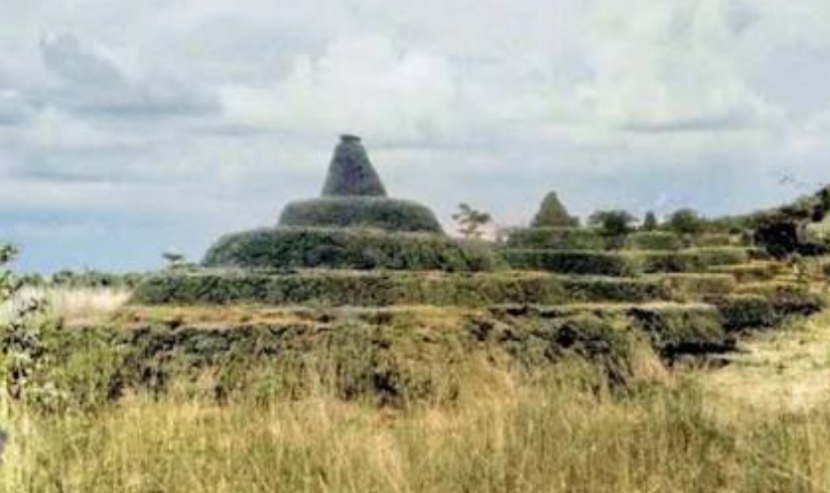
Location: Nsude Community, Udi Local Government Area, Enugu State, Nigeria.
The Nsude Pyramids are among Nigeria’s most fascinating historical landmarks. Constructed from mud by the Igbo people centuries ago, these pyramid like structures were traditionally associated with the worship of Ala (Ani), the Earth deity in Igbo religion.
Although many of the original structures have been affected by time and weather, the remaining pyramids continue to attract historians, archaeologists and tourists interested in indigenous African architecture.
9. Milliken Hill
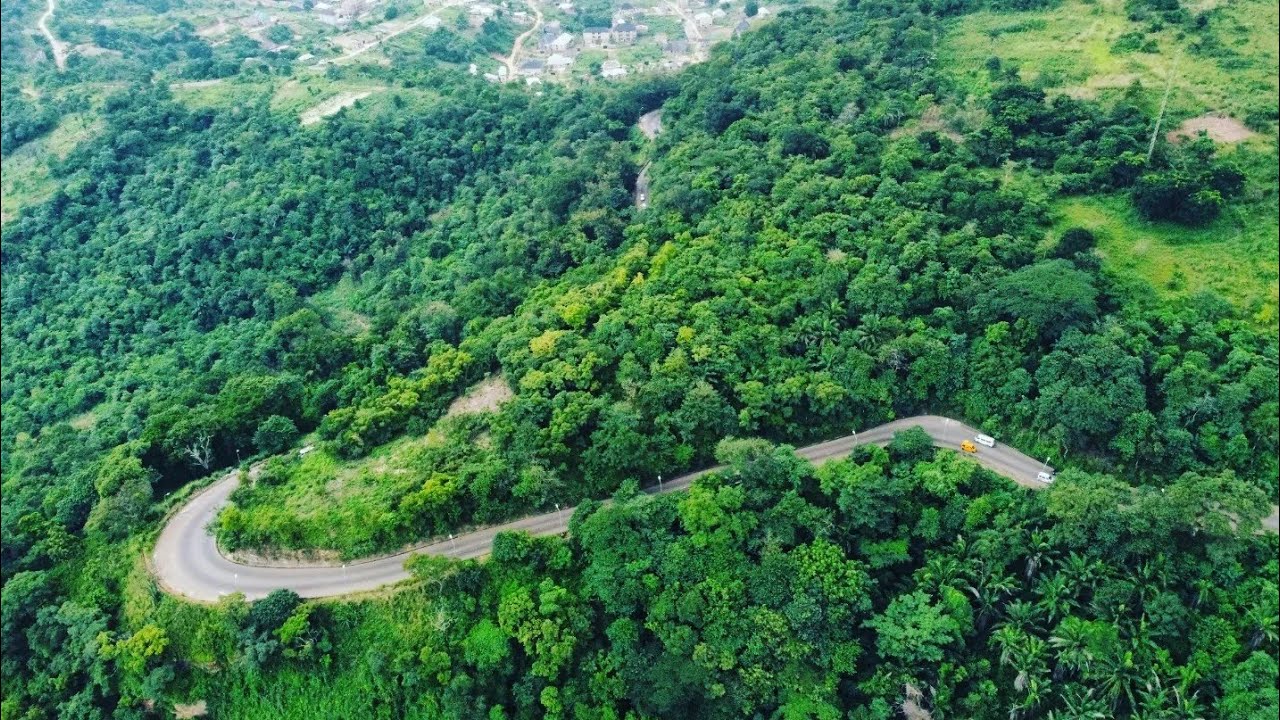
Location: Ngwo, Udi Local Government Area, Enugu State, Nigeria.
Milliken Hill played an important role during the colonial period because it linked coal mining communities with other parts of Enugu.
Today, the winding road is famous for its breathtaking views, but it also represents an important part of the city’s transportation history.
The scenic drive remains one of Enugu’s most iconic landmarks.
10. Old Railway Corridor
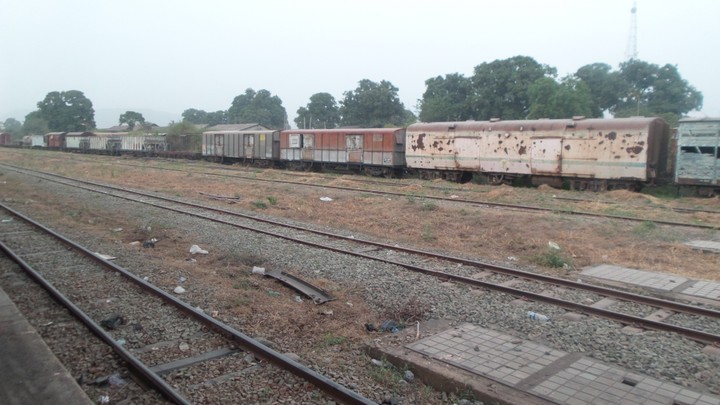
Location: Enugu City, Enugu State, Nigeria.
The arrival of the railway was one of the major reasons Enugu developed into a thriving commercial city. The railway transported coal from Enugu to the ports, connecting the mining industry with international trade.
Although parts of the original railway infrastructure have changed over time, the corridor remains historically significant.
11. Ngwo Community
Location: Ngwo, Udi Local Government Area, Enugu State, Nigeria.
Ngwo is one of the oldest communities around Enugu and has played an important role in the region’s history.
Beyond its famous pine forest and cave, the community preserves traditional customs, leadership institutions, and historical narratives that predate the colonial period.
Visitors interested in cultural tourism often combine Ngwo’s natural attractions with its historical significance.
12. Ezeagu Historic Communities
Location: Ezeagu Local Government Area, Enugu State, Nigeria.
The communities of Ezeagu preserve many aspects of traditional Igbo life. Ancient settlements, traditional leadership institutions, festivals, oral traditions and historic cultural practices continue to be celebrated in the area.
The region also combines historical heritage with impressive natural attractions, making it one of Enugu’s most rewarding destinations.
Why These Sites Matter
Historical landmarks are more than tourist attractions, they preserve the stories that shaped communities and nations.
Enugu’s historical sites highlight:
- Nigeria’s coal mining heritage
- Colonial administration
- Igbo traditional religion
- The growth of Christianity
- The labor movement
- Transportation history
- Indigenous architecture
- Cultural preservation
Together, they provide a deeper understanding of the city’s evolution.
Suggested Historical Tour
If you have two days to explore Enugu’s heritage, consider this itinerary:
Day One
- National Museum, Enugu
- Iva Valley Coal Mine
- Okpara Square
- Ogui GRA
- Government House Area
Day Two
- Nsude Pyramids
- Milliken Hill
- Ngwo Community
- Awhum Monastery
- Awhum Waterfall
This route combines urban history with cultural and natural heritage.
Travel Tips
- Visit museums during official opening hours.
- Wear comfortable shoes, especially when exploring outdoor sites.
- Consider hiring a knowledgeable local guide for historical context.
- Ask permission before photographing people in traditional communities.
- Carry drinking water for day trips outside Enugu city.
Final Thoughts
Enugu’s reputation as the Coal City is only one chapter of its remarkable history. Beyond its mining legacy lies a rich collection of historical sites that reveal the region’s cultural heritage, colonial past, religious significance and contributions to Nigeria’s development.
Whether you’re standing at the historic Iva Valley Coal Mine, exploring the National Museum, admiring the ancient Nsude Pyramids or visiting the peaceful Awhum Monastery, each destination offers a unique perspective on the stories that shaped Enugu. For travelers seeking a deeper understanding of southeastern Nigeria, these famous historical sites provide an unforgettable journey through time.
Thank you for reading! Explore Pathcresta for more travel guides, destination reviews, tourism updates and expert travel tips from Nigeria, Africa and destinations around the world.

Mr Derek is the founder and editor of Pathcresta. He specializes in travel, tourism, and destination content, producing accurate, informative and practical guides that help readers explore attractions, plan trips and discover unique experiences across Nigeria and around the world.


