Best Time to Visit Maasai Mara: A Season by Season Guide for Travelers
The best time to visit Maasai Mara isn’t the same for every traveler. Some visitors dream of watching thousands of wildebeest plunge into the Mara River as crocodiles wait below. Others hope for a quieter safari with fewer vehicles, lower accommodation rates and uninterrupted wildlife photography. The good news is that Maasai Mara National Reserve delivers remarkable experiences throughout the year.
Stretching across southwestern Kenya and bordering Tanzania’s Serengeti National Park, Maasai Mara is one of Africa’s most celebrated wildlife destinations. Its vast grasslands, acacia dotted plains and winding rivers provide a home for the Big Five and countless other species. Whether you’re planning your first African safari or returning for another adventure, choosing the right season can shape the kind of experience you’ll have
This guide explains what each season offers, helping you decide when to visit based on your interests, budget and travel expectations.
When Is the Best Time to Visit Maasai Mara?
For most travelers, the best time to visit Maasai Mara is between July and October. During these months, the reserve hosts the famous Great Wildebeest Migration, widely regarded as one of the world’s greatest natural spectacles.
However, that doesn’t mean other months are less rewarding. Every season has its own advantages, whether you’re interested in birdwatching, wildlife photography, family travel or affordable safari packages.
July to October: The Peak Safari Season
If you’ve seen dramatic documentaries showing massive herds of wildebeest crossing crocodile-filled rivers, you’ve already witnessed why this period attracts visitors from around the globe.
During these months, more than 1.5 million wildebeest, accompanied by hundreds of thousands of zebras and gazelles, migrate from Tanzania’s Serengeti into Kenya’s Maasai Mara in search of fresh grazing land. The migration also attracts predators, making it one of the best times to witness lions, cheetahs, leopards, hyenas and crocodiles in action.
The dry weather also works in visitors’ favor. As vegetation becomes shorter and water sources become limited, wildlife is easier to spot during game drives.
Why Visit During Peak Season?
- Witness the Great Migration.
- Excellent chances of seeing the Big Five
- Comfortable weather for safaris.
- Outstanding wildlife photography opportunities.
- Clear roads and easy game viewing.
Things to Keep in Mind
Because this is Maasai Mara’s busiest season, hotels, safari camps and lodges often sell out months in advance. Prices are also at their highest, so early booking is strongly recommended.
November to December: Beautiful Landscapes and Fewer Crowds
As the migration moves south toward the Serengeti, visitor numbers begin to decline. The arrival of the short rains transforms the reserve into lush green grasslands, creating stunning scenery that contrasts beautifully with the golden dry season landscapes
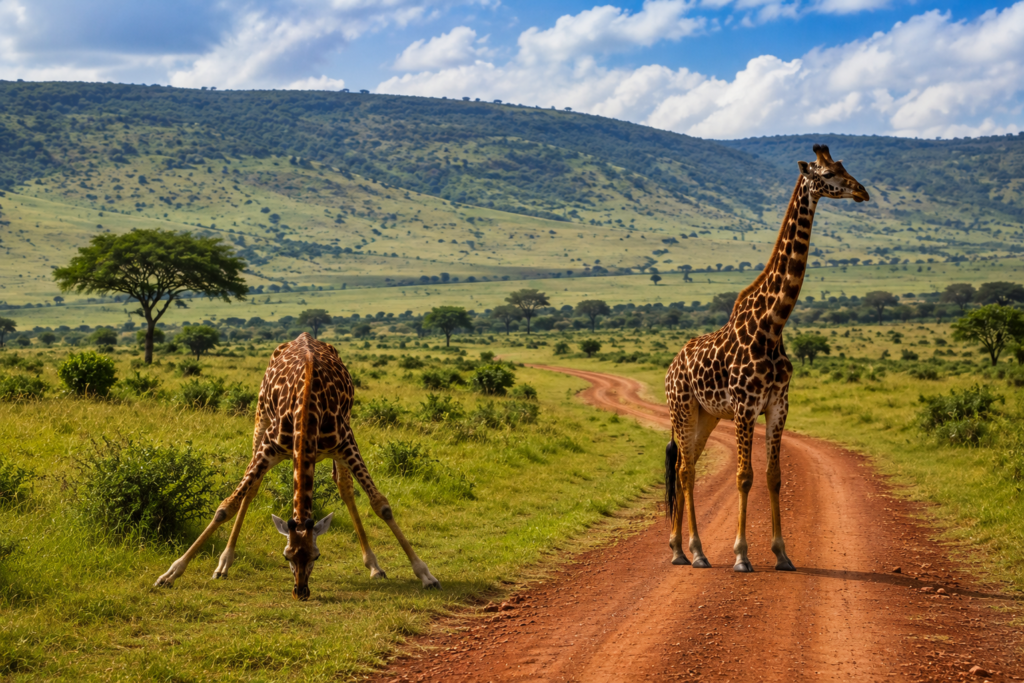
Although the migration has ended, Maasai Mara remains rich in wildlife. Resident lions, elephants, buffaloes, giraffes, hippos and numerous antelope species continue to thrive throughout the reserve.
This season is particularly appealing to photographers who enjoy dramatic skies and vibrant landscapes.
Why Choose This Season?
- Fewer tourists.
- Beautiful green scenery.
- Comfortable safari experience.
- Better hotel availability.
- Excellent photography conditions.
January to March: A Photographer’s Paradise
Many experienced safari enthusiasts consider the first three months of the year one of Maasai Mara’s hidden gems.
The weather is generally warm, rainfall is limited and the reserve remains alive with wildlife. Predators continue hunting resident animals, while lot’s of herbivores give birth, increasing opportunities to observe young animals in their natural habitat.
Early mornings often provide soft golden light, making this one of the finest periods for landscape and wildlife photography.
Highlights
- Pleasant temperatures.
- Excellent game viewing.
- Fewer safari vehicles.
- Great conditions for photography.
- Newborn wildlife can often be seen.
April to June: The Green Season
April, May and early June bring the long rains to Maasai Mara.
While many travelers avoid this period because of occasional heavy showers, it offers a different kind of safari experience. The reserve becomes incredibly green, flowers bloom across the plains and birdlife flourishes.
Accommodation providers frequently reduce their rates during these months, making it one of the most affordable times to visit.
Rain can make some roads muddy, but many travelers appreciate the peaceful atmosphere and uncrowded game drives.
Benefits of the Green Season
- Lower accommodation costs.
- Quiet safari experience.
- Excellent birdwatching.
- Vibrant natural scenery.
- Fewer visitors at popular wildlife viewing spots.
Understanding the Great Migration
The Great Migration is often described as the greatest wildlife movement on Earth.
Each year, millions of wildebeest, zebras and gazelles follow seasonal rainfall patterns between Tanzania’s Serengeti National Park and Kenya’s Maasai Mara National Reserve. Their journey covers hundreds of miles as they search for fresh grazing land.
The dramatic river crossings usually occur between July and September, although exact timing depends on rainfall and environmental conditions.
While these crossings attract worldwide attention, it’s important to remember that Maasai Mara offers exceptional wildlife viewing even when the migration isn’t taking place.
Wildlife You Can See Throughout the Year
Unlike destinations that rely on seasonal wildlife, Maasai Mara is home to an impressive variety of resident animals.
Visitors have opportunities to encounter:
- African lions
- Leopards
- African elephants
- Cape buffaloes
- Black rhinos
- Cheetahs
- Spotted hyenas
- Giraffes
- Hippos
- Nile crocodiles
- Zebras
- Various antelope species
The reserve is also home to more than 450 bird species, making it one of East Africa’s top birdwatching destinations.
Weather in Maasai Mara
Thanks to its elevation, Maasai Mara enjoys moderate temperatures throughout the year.
Daytime temperatures typically range between 20°C and 28°C (68°F–82°F), while mornings and evenings can feel surprisingly cool.
Regardless of the season, packing layers is advisable, especially for early morning game drives.
Choosing the Best Time Based on Your Travel Style
For First-Time Safari Visitors
Visit between July and October to experience Maasai Mara at its most dramatic, with outstanding wildlife concentrations and the Great Migration.
For Budget Travelers
April through June often offers lower accommodation rates and discounted safari packages, making it easier to enjoy Maasai Mara without peak-season prices.
For Wildlife Photographers
January to March combines beautiful lighting, green landscapes and active wildlife, creating ideal photography conditions.
For Birdwatchers
The period from November to April is especially rewarding, as migratory birds join the reserve’s resident species.
For Couples and Honeymooners
The quieter months outside the migration season provide a more peaceful atmosphere and greater privacy at many safari lodges.
What Should You Pack?
Preparing for a safari ensures a more comfortable experience.
Essential items include:
- Neutral colored clothing
- Comfortable walking shoes
- Wide-brimmed hat
- Sunglasses
- Sunscreen
- Insect repellent
- Camera with extra batteries
- Binoculars
- Reusable water bottle
- Light rain jacket
- Warm fleece or sweater for morning drives
Avoid brightly colored clothing as neutral tones blend better with the natural environment.
Helpful Travel Tips
Planning ahead can make your Maasai Mara safari more enjoyable.
- Book your safari several months in advance if traveling during migration season.
- Choose accommodation inside or close to the reserve to maximize game viewing time.
- Schedule both morning and afternoon game drives for the best wildlife sightings.
- Always follow your guide’s instructions around wild animals.
- Carry travel insurance that covers safari activities and medical emergencies.
- Respect wildlife by maintaining safe viewing distances and avoiding loud noises.
Is Maasai Mara Worth Visiting Outside the Migration?
Absolutely.
While the Great Migration is the reserve’s most famous attraction, it represents only one chapter in Maasai Mara’s year round story. Resident wildlife, breathtaking landscapes, rich Maasai culture and exceptional safari experiences make the reserve one of Africa’s premier destinations in every season.
Travelers who visit outside the migration months often enjoy quieter game drives, lower prices and more personal encounters with nature.
In Summary – Best time to visit Maasai Mara
Choosing the best time to visit Maasai Mara depends on what you hope to experience. If witnessing the Great Migration is your priority, plan your safari between July and October. If you prefer fewer crowds, lush scenery or better value for money, the remaining months of the year offer equally memorable experiences in different ways.
No matter when you visit, Maasai Mara rewards travelers with extraordinary wildlife encounters, breathtaking landscapes and a safari experience that ranks among the finest anywhere in the world.
Always remember that Pathcresta still remains your number website for travel and tourism updates and guides. Always visit for latest travel information and updates.

Mr Derek is the founder and editor of Pathcresta. He specializes in travel, tourism, and destination content, producing accurate, informative and practical guides that help readers explore attractions, plan trips and discover unique experiences across Nigeria and around the world.