
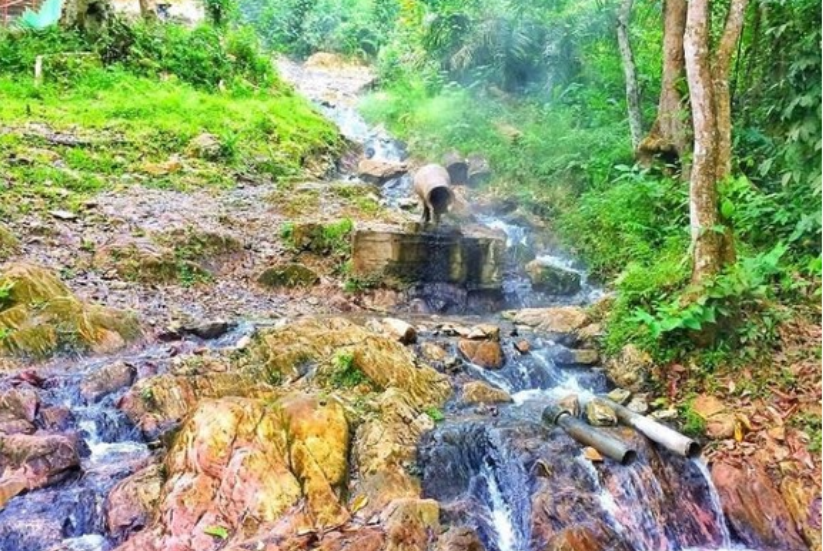
How Nigerian States Are Investing in Tourism in 2026
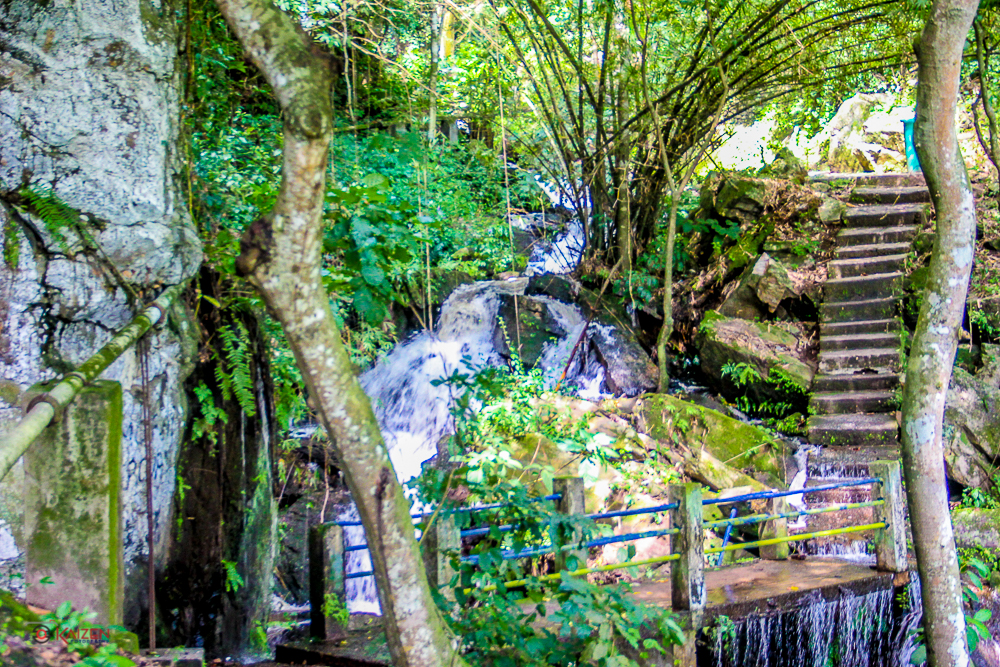
Tourism is increasingly being recognized as an important driver of economic growth, job creation, and cultural preservation across Nigeria. While oil, agriculture and manufacturing remain major contributors to the country’s economy, lot’s state governments are placing greater emphasis on developing tourism as a way to diversify their economies and attract both domestic and international visitors.
In 2026, investments in tourism continue to focus on improving infrastructure, restoring historic landmarks, promoting cultural festivals, enhancing hospitality services, conserving natural attractions and encouraging private sector participation. Although the level of investment varies from one state to another, the overall trend reflects a growing recognition that tourism can generate sustainable economic opportunities while showcasing Nigeria’s rich heritage
This article explores the different ways Nigerian states are investing in tourism and why these efforts are important for the country’s future.
Why Tourism Investment Matters
Tourism extends beyond sightseeing. A thriving tourism industry supports hotels, restaurants, transportation services, local artisans, tour operators, cultural performers, photographers and countless small businesses
When states invest in tourism, they often create:
- Employment opportunities
- Increased local business revenue
- Better infrastructure
- Greater cultural preservation
- Environmental conservation
- Improved international visibility
- Economic diversification
For many communities, tourism has become an important source of income while encouraging the protection of historical and natural landmarks.
1. Upgrading Tourist Attractions
One of the most common forms of tourism investment is the renovation and improvement of existing attractions.
Several states continue to focus on upgrading visitor facilities at popular destinations by improving:
- Access roads
- Parking areas
- Walkways
- Visitor information centers
- Security
- Landscaping
- Signage
- Rest areas
These improvements help create a more enjoyable experience for visitors while encouraging repeat visits.
2. Improving Road Infrastructure
Good roads remain essential for tourism development. Lot’s of attractions are located outside major cities, making road accessibility one of the biggest factors influencing visitor numbers.
Several state governments continue investing in road rehabilitation connecting tourist destinations with urban centers, airports, and neighboring communities.
Better transportation allows tourists to reach attractions more safely and comfortably.
3. Promoting Cultural Festivals
Nigeria is home to hundreds of traditional festivals that celebrate history, religion, agriculture and local customs.
Many states continue investing in festivals through:
- Event organization
- Cultural performances
- Improved venues
- Marketing campaigns
- Visitor facilities
- Security arrangements
Popular festivals help attract visitors while preserving indigenous traditions for future generations.
4. Supporting Eco-Tourism
Natural attractions are becoming increasingly important components of tourism development.
Many states are promoting:
- National parks
- Forest reserves
- Waterfalls
- Lakes
- Mountains
- Wildlife conservation areas
- Nature trails
Eco-tourism encourages responsible travel while supporting environmental conservation.
5. Encouraging Private Investment
State governments are increasingly working with private investors to expand tourism infrastructure.
Public private partnerships have contributed to:
- Hotels
- Resorts
- Conference centers
- Restaurants
- Recreation parks
- Entertainment facilities
- Waterfront developments
Private investment complements government efforts by improving visitor experiences and creating employment.
6. Preserving Historical Sites
Nigeria’s history is reflected in its ancient kingdoms, colonial buildings, traditional palaces, museums, monuments and archaeological sites.
Many states continue investing in preserving these landmarks through restoration projects and maintenance programs.
Protecting historical sites ensures they remain accessible to future generations while supporting educational tourism.
7. Strengthening Hospitality Services
Tourism investment also includes improving accommodation and hospitality standards.
Across Nigeria, hotel development continues in many cities, offering travelers greater choice in:
- Luxury hotels
- Boutique hotels
- Eco-lodges
- Guest houses
- Resorts
- Conference facilities
Improved hospitality infrastructure encourages longer visitor stays.
Examples of Tourism Investment Across Nigeria
Cross River State
Cross River has long positioned tourism as one of its economic priorities.
The state continues promoting attractions such as:
Obudu Mountain Resort
Location: Obudu Plateau, Obanliku Local Government Area, Cross River State, Nigeria.
Agbokim Waterfalls
Location: Etung Local Government Area, Cross River State, Nigeria.
Kwa Falls
Location: Akamkpa Local Government Area, Cross River State, Nigeria.
Calabar Carnival
Location: Calabar, Cross River State, Nigeria.
These attractions contribute significantly to domestic tourism while supporting local businesses.
Lagos State
Lagos continues investing in tourism through improvements to public spaces, waterfront areas, cultural centers, and entertainment districts.
Popular attractions include:
Lekki Conservation Centre
Location: Lekki Peninsula, Eti-Osa Local Government Area, Lagos State, Nigeria.
Nike Art Gallery
Location: Lekki, Eti-Osa Local Government Area, Lagos State, Nigeria.
Freedom Park
Location: Lagos Island Local Government Area, Lagos State, Nigeria.
Plateau State
Plateau State continues promoting nature tourism through its unique landscapes.
Major attractions include:
Jos Wildlife Park
Location: Jos North Local Government Area, Plateau State, Nigeria.
Shere Hills
Location: Jos East Local Government Area, Plateau State, Nigeria.
Assop Falls
Location: Along the Jos–Abuja Highway, Riyom Local Government Area, Plateau State, Nigeria.
Enugu State
Enugu continues attracting visitors with its natural attractions and historical sites.
Popular destinations include:
Awhum Waterfall
Location: Awhum, Udi Local Government Area, Enugu State, Nigeria.
Ngwo Pine Forest
Location: Ngwo, Udi Local Government Area, Enugu State, Nigeria.
Ezeagu Tourist Complex
Location: Obinofia Ndiuno, Ezeagu Local Government Area, Enugu State, Nigeria.
Ondo State
Ondo State remains one of southwestern Nigeria’s leading tourism destinations.
Idanre Hills
Location: Idanre Town, Idanre Local Government Area, Ondo State, Nigeria.
Its historical significance and impressive landscapes continue attracting visitors throughout the year.
Bauchi State
Yankari National Park
Location: Alkaleri Local Government Area, Bauchi State, Nigeria.
Yankari remains Nigeria’s most famous wildlife destination and continues benefiting from conservation and visitor-focused improvements.
The Role of Technology
Technology is helping states promote tourism more effectively.
Many tourism agencies now use:
- Official tourism websites
- Social media campaigns
- Online booking systems
- Digital travel guides
- Interactive maps
- Virtual destination showcases
These tools make it easier for travelers to discover destinations and plan their trips.
Challenges That Still Need Attention
Despite encouraging progress, several challenges remain.
These include:
- Limited funding for some tourism projects.
- Inconsistent maintenance of attractions.
- Poor road access to certain rural destinations.
- Insufficient tourism signage.
- Limited visitor information centers.
- Environmental pressures on natural attractions.
Addressing these issues will strengthen Nigeria’s tourism industry over the long term.
The Benefits for Local Communities
Tourism investment directly benefits communities through:
- New employment opportunities.
- Increased demand for local products.
- Growth in small businesses.
- Improved infrastructure.
- Preservation of traditional culture.
- Greater appreciation for local history.
Communities that actively participate in tourism often experience broader economic and social development.
Looking Ahead
As interest in domestic tourism continues to grow, A lot of Nigerian states are expected to place greater emphasis on developing attractions, improving visitor facilities, supporting local businesses and promoting cultural heritage.
Continued collaboration between governments, local communities and private investors will play a key role in ensuring that tourism contributes meaningfully to sustainable economic development.
Summary
In 2026, tourism continues to offer Nigerian states an opportunity to diversify their economies while preserving the country’s remarkable cultural and natural heritage. Investments in infrastructure, conservation, hospitality, festivals and destination promotion are helping make many parts of Nigeria more attractive to travelers.
Although each state is progressing at its own pace, the shared goal remains clear: to create memorable visitor experiences, generate employment and showcase the incredible diversity that makes Nigeria one of Africa’s most fascinating travel destinations.
Thank you for reading. Visit Pathcresta for more travel guides, tourism news, destination reviews and travel tips from Nigeria, Africa and around the world.

Mr Derek is the founder and editor of Pathcresta. He specializes in travel, tourism, and destination content, producing accurate, informative and practical guides that help readers explore attractions, plan trips and discover unique experiences across Nigeria and around the world.


