Can You Visit Awhum Waterfall During the Rainy Season? Find Out In This Article
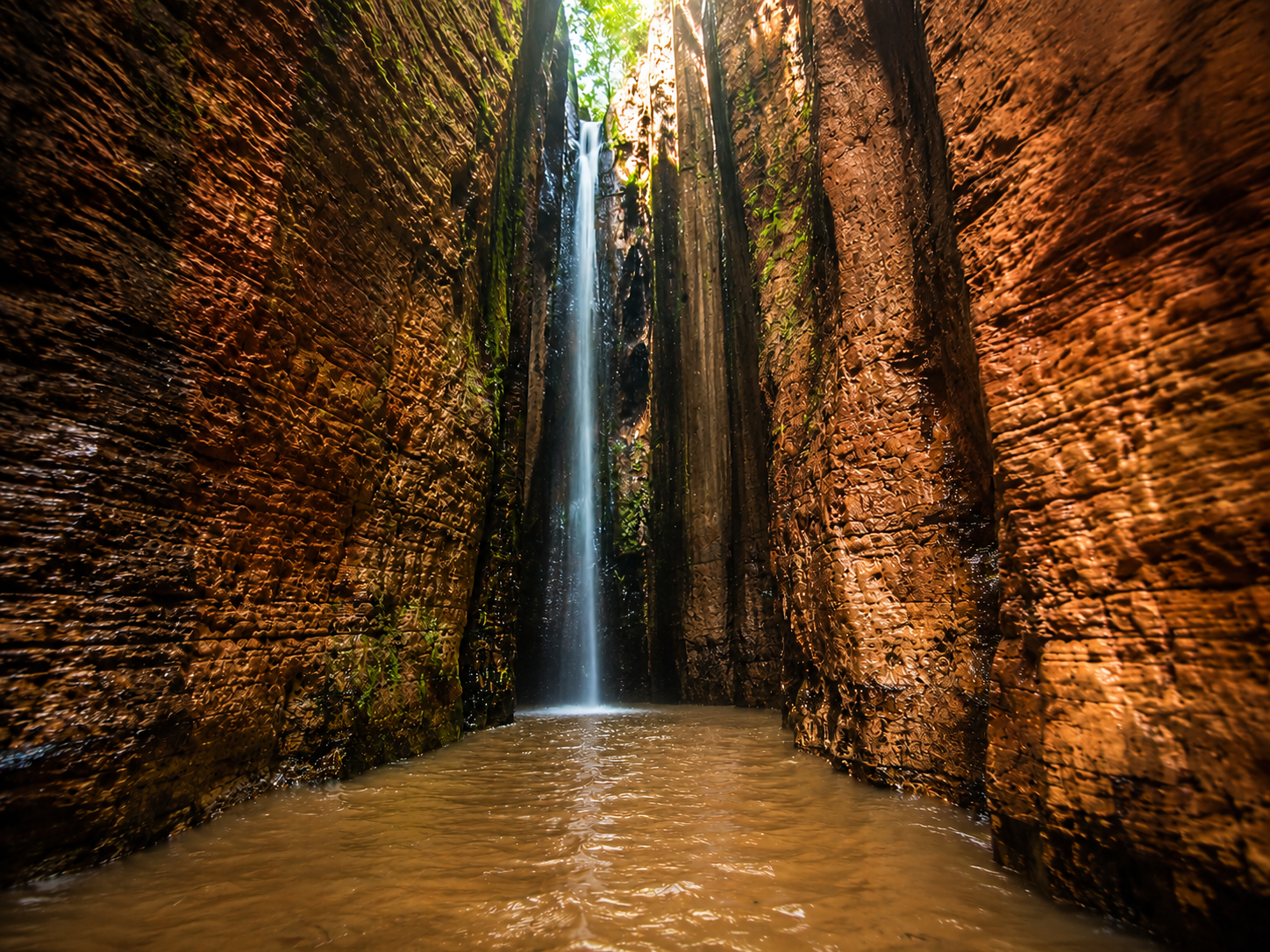
Nestled among the rolling hills of Enugu State, Awhum Waterfall is one of Nigeria’s most remarkable natural attractions. Known for its cool, clear waters and peaceful surroundings, it draws visitors seeking everything from quiet reflection to outdoor adventure. The waterfall is located within the grounds of the Awhum Monastery, a Catholic monastery that has long been associated with prayer, spirituality and the area’s unique natural beauty.
Lot’s of people plan their trips during the dry season, believing that heavy rains make the destination difficult or unsafe to enjoy. This often leads to one important question: Can you visit Awhum Waterfall during the rainy season?
The simple answer is yes, but your experience will be different from what you would expect during the dry months. The rainy season transforms Awhum into a greener, more dramatic landscape. The waterfall becomes fuller and more powerful, the surrounding vegetation comes alive, and the cool mountain air creates an atmosphere that feels refreshing and peaceful. At the same time, visitors should be aware that rain also brings slippery paths, stronger water currents and changing weather conditions that require extra preparation.
If you are considering visiting Awhum Waterfall between April and October, this guide explains everything you should know before making the journey.
Understanding the Rainy Season in Enugu State
Enugu State experiences two major seasons which includes the dry season and the rainy season. While weather patterns may vary slightly from year to year, rainfall generally begins around April and continues until October.
The heaviest rains are usually recorded between July and September while April, May, June and October often experience moderate rainfall.
During these months, the forests surrounding Awhum become incredibly lush. Trees, shrubs and climbing plants flourish after weeks of steady rainfall, creating an environment that looks completely different from the dry season.
Unlike several urban destinations where rain can be an inconvenience, nature reserves such as Awhum Waterfall often become even more visually impressive after rainfall.
Is It Safe to Visit Awhum Waterfall During the Rainy Season?
Yes, visiting during the rainy season is generally safe provided you take the necessary precautions.
The waterfall remains accessible throughout most of the rainy months and a lot of visitors and tourists continue to explore the area without any problems. However, weather conditions naturally influence the overall experience
After prolonged rainfall, footpaths leading to the waterfall may become muddy and slippery. Some rocky sections can also be more difficult to navigate, especially for elderly visitors or anyone wearing unsuitable footwear.
Water levels also rise considerably during heavy rains. While this creates spectacular scenery, it also means visitors should avoid attempting to enter deep sections of the water or standing too close to areas where the current is strongest.
Following local guidance and respecting any safety signs greatly reduces the risk of accidents.
Why Many Visitors Prefer the Rainy Season
Although the dry season attracts more tourists, many photographers, hikers and nature enthusiasts actually prefer visiting during the rainy months. One of the biggest reasons is the waterfall itself.
Rainfall significantly increases the volume of water flowing over the rocks. Instead of a gentle stream, visitors are greeted by a powerful cascade that creates a breathtaking display of nature.
The sound of rushing water echoes through the surrounding valley, while cool mist fills the air near the base of the falls. This creates a more immersive experience that many travelers find unforgettable. The surrounding forest also becomes far greener and more beautiful
Leaves appear brighter, wildflowers bloom and moss covers many of the rocks. For anyone interested in landscape photography, the rainy season offers richer colors and more dramatic scenery than almost any other time of the year.
The Beauty of Awhum After Rainfall
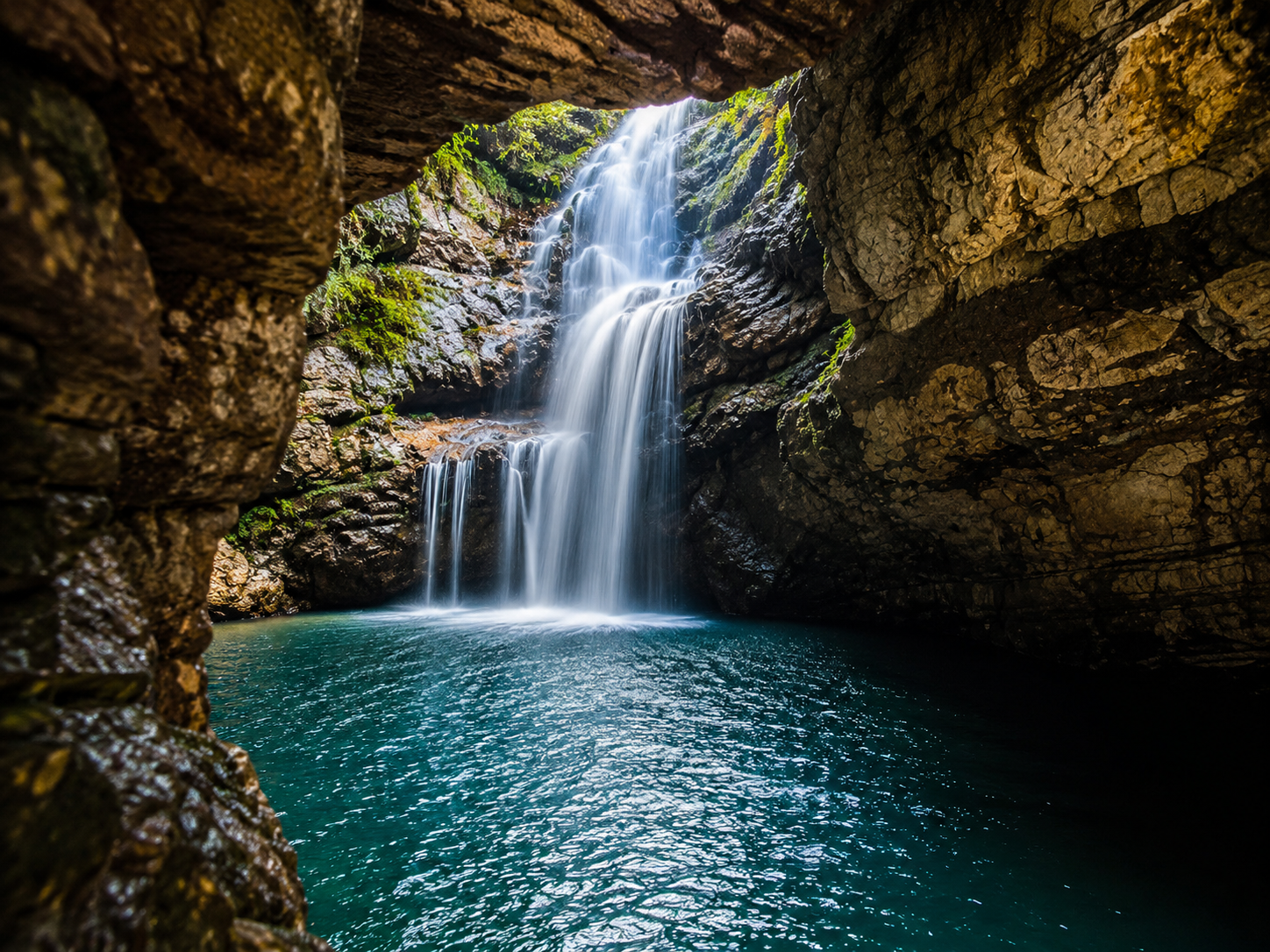
One of the first things visitors notice after arriving during the rainy season is how alive the environment feels. Fresh rain gives the entire landscape a vibrant appearance. Streams flow through the forest, birds become more active and the air feels noticeably cooler than in nearby towns.
Morning visits often reveal light mist drifting across the hills, adding another layer of beauty to an already impressive landscape. Photographers especially appreciate these conditions because soft, diffused light creates excellent opportunities for capturing natural images without the harsh shadows common during the dry season.
For travelers looking to experience Nigeria’s natural beauty at its finest, few sights compare to Awhum Waterfall after several days of steady rainfall.
Challenges You Should Expect
Despite its beauty, visiting during the rainy season requires realistic expectations. The biggest challenge is the trail leading to the waterfall.
Certain sections may become slippery after rain, making the walk slower than usual. Visitors wearing sandals or smooth soled shoes often find the journey more difficult than expected
Weather can also change quickly.
A sunny morning may suddenly become cloudy, followed by heavy rainfall that lasts for an hour before clearing again. Carrying lightweight rain gear can make a significant difference.
Another factor to consider is transportation.
Some roads leading toward Awhum may develop potholes or become muddy after prolonged rainfall, particularly if you are traveling by motorcycle or using smaller vehicles. Allowing extra travel time is always advisable during the rainy months.
What Should You Wear?
Comfortable clothing makes a noticeable difference during your visit.
Lightweight, breathable outfits are ideal because humidity tends to be higher during the rainy season.
A waterproof jacket or compact raincoat is useful, especially if rain begins unexpectedly while exploring the area.
Most importantly, wear sturdy shoes with excellent grip.
Hiking shoes or quality sports shoes provide much better stability on wet rocks and muddy paths than ordinary slippers or fashion sneakers.
Visitors should also avoid wearing expensive footwear that could easily be damaged by mud or water, always go with footwears that is suitable.
What to Pack for Your Trip
Packing thoughtfully can make your visit far more enjoyable.
Consider bringing:
- Waterproof hiking shoes
- A lightweight rain jacket
- Drinking water
- Snacks
- A fully charged phone
- A power bank
- A small first-aid kit
- Insect repellent
- Sunscreen
- A waterproof backpack or rain cover
- Extra clothing if you plan to stay overnight
- A camera with waterproof protection if you’re interested in photography
Having these essentials ensures you’re prepared for changing weather conditions without carrying unnecessary luggage.
How Rain Changes the Waterfall Experience
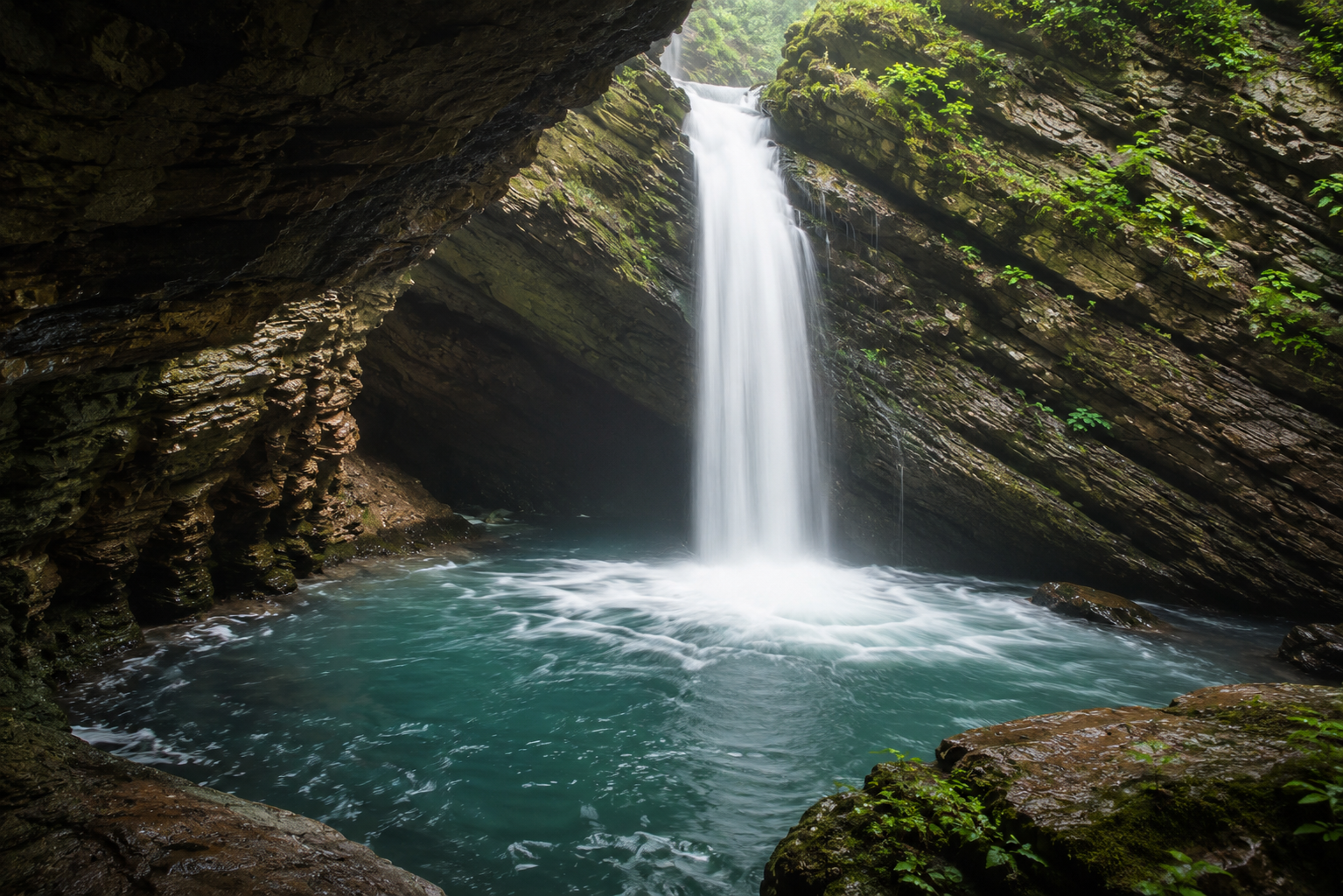
The difference between Awhum during the dry season and the rainy season is remarkable. During drier months, visitors often have easier access to certain areas around the base of the waterfall and the trails are generally less challenging.
In contrast, the rainy season showcases the waterfall at its most dramatic. The increased flow creates a louder, more powerful cascade, while the surrounding vegetation appears lush and vibrant.
For various nature lovers, this is when Awhum is at its most beautiful, but it also demands greater caution and respect for the environment.
Getting to Awhum Waterfall During the Rainy Season
Reaching Awhum Waterfall is relatively straightforward, but the rainy season requires a little more planning than the dry months.
The waterfall is located in Awhum Town, Udi Local Government Area of Enugu State, approximately 30 to 40 kilometres from Enugu city, depending on your starting point. The drive typically takes between 45 minutes and one hour under normal conditions.
From Enugu, you can travel by private car, taxi, or ride hailing service to Awhum. Public transportation is also available, although it may involve changing vehicles before reaching the town.
During periods of heavy rainfall, some sections of the road may develop potholes or become muddy, especially closer to the community. If you’re driving yourself, it’s wise to reduce speed and remain cautious. If possible, choose a vehicle with good ground clearance, particularly after several days of continuous rain.
Starting your journey early in the day is another smart decision. Morning travel allows you to explore the area at a relaxed pace and reduces the chances of returning in poor weather or fading daylight, so consider going very early in the morning
What to Expect Upon Arrival
One of the things that makes Awhum Waterfall different from a lot of tourist destinations is its peaceful atmosphere. Unlike busy commercial attractions, Awhum retains much of its natural charm. Visitors are welcomed by fresh air, dense vegetation and the distant sound of rushing water long before reaching the waterfall itself.
Because the waterfall is situated within the grounds of Awhum Monastery, visitors are expected to behave respectfully. Loud music, littering and disruptive behaviour are discouraged as some people visit the area not only for sightseeing but also for prayer, meditation and spiritual reflection.
As you continue along the trail, the sound of the waterfall gradually becomes louder until the magnificent cascade comes into view. During the rainy season, the increased water volume creates a striking spectacle that often leaves first time visitors amazed.
Photography During the Rainy Season
If you’re passionate about photography, the rainy season can be one of the most rewarding times to visit Awhum. The landscape is filled with rich shades of green, while the stronger waterfall creates dramatic compositions that are difficult to capture during drier months.
Cloudy skies also provide softer natural lighting, making it easier to photograph the waterfall without harsh shadows or overexposed highlights.
To protect your equipment:
- Carry a waterproof camera bag.
- Wipe your lens regularly, as water droplets from the mist can affect image quality.
- Avoid changing lenses too close to the waterfall.
- Keep spare batteries in a dry compartment.
Even smartphone photographers can capture stunning images with a waterproof pouch and a little patience.
Respecting the Environment
Awhum Waterfall is more than just a tourist attraction, it’s an important natural and spiritual site. Every visitor has a responsibility to help preserve its beauty for future generations. Simple actions such as disposing of waste properly, staying on designated paths, avoiding damage to vegetation and respecting local customs contribute significantly to conservation efforts.
If you bring food or drinks, ensure every item leaves with you. Plastic bottles, food wrappers and disposable containers should never be left behind. Responsible tourism helps maintain the peaceful atmosphere that makes Awhum so special.
Best Months to Visit During the Rainy Season
While the rainy season generally lasts from April to October, not every month offers the same experience.
Numerous experienced visitors consider May, June, and October to be the best balance between lush scenery and manageable weather conditions.
These months usually provide:
- Strong waterfall flow
- Beautiful green vegetation
- Pleasant temperatures
- Better walking conditions than peak rainy months
July and August often experience heavier rainfall, which can make trails more slippery and occasionally interrupt outdoor activities.
If your priority is photography, dramatic scenery, and experiencing the waterfall at its fullest, these wetter months can still be rewarding as long as you’re prepared for changing weather.
Nearby Attractions Worth Exploring
If you’re travelling from outside Enugu State, consider extending your trip by visiting other nearby attractions.
Some popular places include:
Ngwo Pine Forest
Known for its towering pine trees and scenic walking trails, Ngwo Pine Forest offers another refreshing outdoor experience. The forest also features a cave with a small waterfall, making it a favourite destination for photographers and nature lovers.
Ngwo Cave
Located within the same area, Ngwo Cave combines fascinating rock formations with a peaceful natural environment, creating an excellent addition to your itinerary.
Milken Hills
This scenic location provides panoramic views of Enugu and is ideal for visitors who enjoy sightseeing, hiking, and landscape photography.
Enugu City
Before returning home, take some time to explore Enugu’s restaurants, cultural centres and local markets. The city offers a mix of history, hospitality and modern conveniences that complement a visit to Awhum Waterfall.
Combining these attractions into one trip creates a richer travel experience and allows you to appreciate more of Enugu State’s natural beauty.
Practical Travel Tips
To make the most of your visit during the rainy season, keep these recommendations in mind:
- Check the weather forecast before leaving.
- Begin your journey early in the morning.
- Wear comfortable shoes with good traction.
- Keep electronics protected from rain.
- Stay hydrated throughout the trip.
- Follow instructions from local guides or monastery staff.
- Avoid climbing slippery rocks for photographs.
- Travel with friends or family whenever possible.
- Respect the peaceful environment of the monastery.
- Leave the area exactly as you found it.
Small preparations like these can make your trip both safer and more enjoyable.
Frequently Asked Questions
Can you visit Awhum Waterfall during the rainy season?
Yes. The waterfall remains open to visitors, and many people consider this one of the most beautiful times to experience its full power and lush surroundings. However, visitors should exercise caution because trails may become slippery after rainfall.
Is the waterfall more beautiful during the rainy season?
For many travellers, yes. Increased water flow, vibrant vegetation and cooler weather create a more dramatic and picturesque landscape.
Is it safe for children?
Children can visit Awhum Waterfall, but they should remain under close adult supervision at all times, especially near wet rocks and flowing water.
What footwear is recommended?
Sturdy hiking shoes or sports shoes with good grip are the best choice. Avoid smooth-soled slippers or footwear that can easily slip on wet surfaces.
How long should I spend at Awhum Waterfall?
Most visitors spend between two and four hours exploring the area, taking photographs, relaxing, and enjoying the scenery.
Is there an entrance fee?
Visitors should note that any entrance or access fees may change over time. It’s advisable to confirm current charges locally before your visit.
Conclusion: Is the Rainy Season a Good Time to Visit Awhum Waterfall?
So, can you visit Awhum Waterfall during the rainy season? Absolutely.
In fact, if your goal is to experience the waterfall at its most impressive, the rainy season offers a unique opportunity. The increased water flow, lush green landscape, cool mountain air and peaceful atmosphere combine to create an unforgettable destination for nature lovers, photographers and anyone looking to escape the bustle of city life.
That said, preparation is essential. Wet trails, unpredictable showers and stronger currents mean visitors should dress appropriately, wear sturdy footwear and follow all safety advice while exploring the area
With the right planning and a respectful approach to both nature and the monastery grounds, a rainy-season visit to Awhum Waterfall can be one of the most memorable travel experiences in southeastern Nigeria.
Whether you’re a first-time visitor or returning to see the landscape transformed by the rains, Awhum continues to prove why it remains one of Enugu State’s most treasured natural attractions. don’t forget to always visit Pathcresta for quality travel information and guides like this.

Mr Derek is the founder and editor of Pathcresta. He specializes in travel, tourism, and destination content, producing accurate, informative and practical guides that help readers explore attractions, plan trips and discover unique experiences across Nigeria and around the world.