20 Traditional Festivals That Celebrate Africa’s Rich Cultural Heritage
Africa is a continent where traditions are deeply woven into everyday life and nowhere is this more evident than in its festivals. Across the continent, communities gather throughout the year to celebrate their history, honor their ancestors, give thanks for successful harvests, mark important religious occasions and preserve customs that have been passed down for centuries. These festivals are much more than colorful events they are living expressions of identity, unity and cultural pride.
For travelers or tourists attending a traditional festival offers a unique opportunity to experience Africa beyond its famous wildlife parks and beaches. Visitors can witness spectacular dances, traditional music, elaborate costumes, royal processions, local cuisine and ceremonies that have remained largely unchanged for generations. Every festival tells a story, reflecting the beliefs, values and heritage of the people who celebrate it
Whether you’re planning a cultural tour or simply looking to learn more about Africa’s diverse traditions, these are 20 Traditional Festivals That Celebrate Africa’s Rich Cultural Heritage
1. Osun-Osogbo Festival (Nigeria)
Held annually in Osogbo, Osun State, the Osun Osogbo Festival is one of Nigeria’s most significant cultural and spiritual celebrations. The festival honors Osun, the Yoruba goddess of fertility, rivers and prosperity and takes place within the UNESCO-listed Osun Osogbo Sacred Grove.
Thousands of worshippers, traditional rulers, tourists and cultural enthusiasts gather to witness sacred rituals, traditional drumming, dancing, colorful processions and prayers offered along the banks of the Osun River. The festival remains one of West Africa’s most important cultural events and attracts visitors from around the world.
2. Durbar Festival (Nigeria)
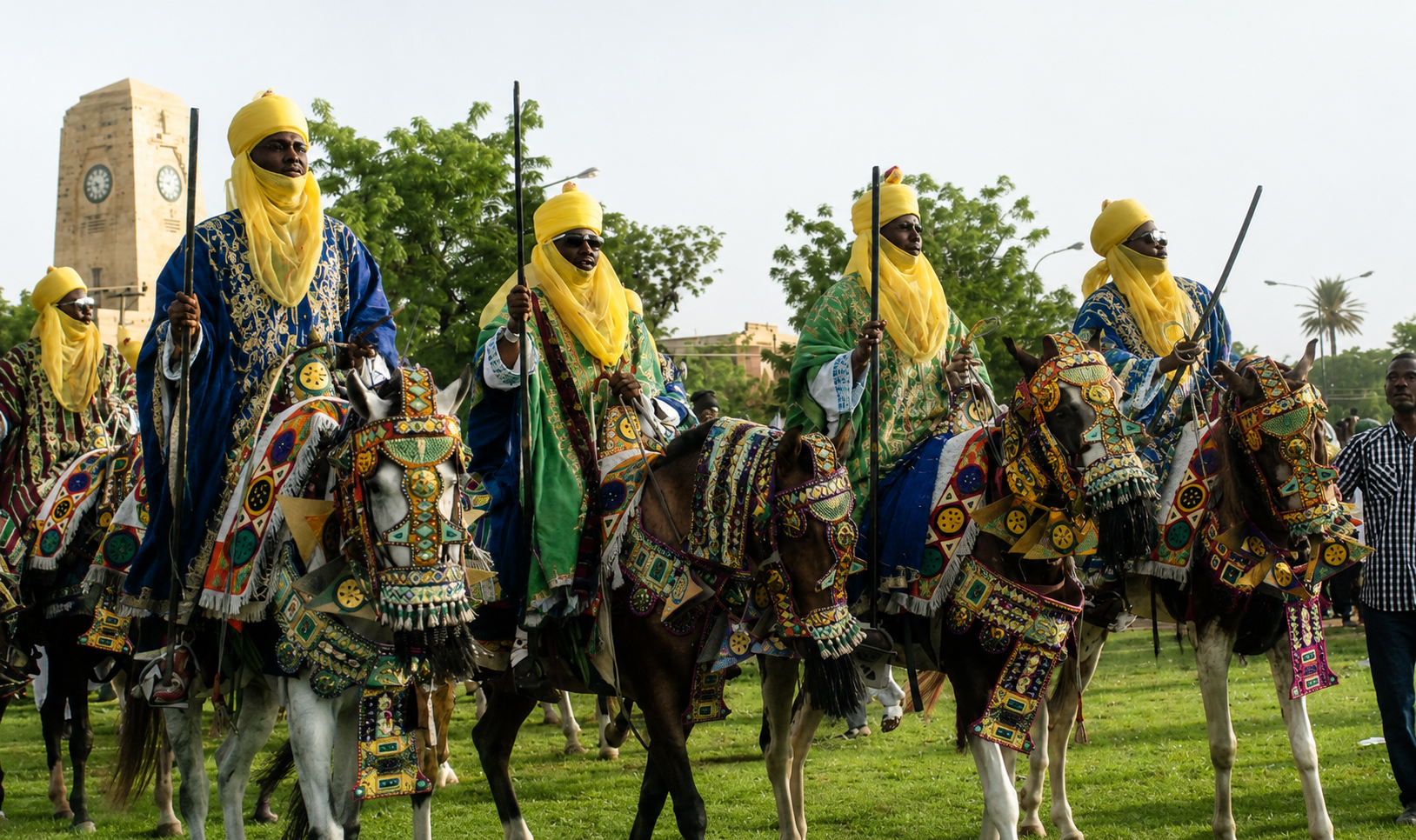
The Durbar Festival is one of Northern Nigeria’s most spectacular celebrations and is particularly famous in Kano, Katsina, Zaria and Bauchi.
Usually held during the Islamic festivals of Eid al-Fitr and Eid al-Adha, the event features hundreds of beautifully decorated horses ridden by skilled horsemen dressed in colorful traditional attire. Emirs lead magnificent royal processions while musicians, drummers and praise singers create a festive atmosphere.
The Durbar showcases the rich heritage of the Hausa-Fulani people and remains one of Africa’s finest equestrian festivals.
3. Homowo Festival (Ghana)
The Homowo Festival is celebrated by the Ga people of Ghana, particularly in Accra.
Its name means “hooting at hunger,” commemorating a period when the Ga people overcame famine through determination and successful harvests. The celebration includes traditional dances, drumming, colorful clothing, family gatherings and the sharing of a special meal known as kpokpoi.
Visitors experience vibrant street celebrations that reflect the resilience and unity of the community.
4. Aboakyir Festival (Ghana)
Every year, the people of Winneba celebrate the Aboakyir Festival with an extraordinary hunting competition.
Two traditional Asafo groups enter nearby forests to capture a live antelope, which is presented to the local chief as part of ancient customs. The festival also features traditional music, cultural performances, parades and colorful attire.
The event has become one of Ghana’s most unique cultural attractions.
5. Gerewol Festival (Niger)
The Gerewol Festival is celebrated by the Wodaabe people of Niger and is among Africa’s most distinctive cultural events.
Young men wear elaborate face paint, decorative clothing and jewelry before participating in traditional beauty contests. Singing, dancing and cultural performances allow women to choose potential marriage partners according to Wodaabe customs.
The festival offers visitors a fascinating insight into one of Africa’s most unique nomadic cultures.
6. Timkat Festival (Ethiopia)
Timkat is Ethiopia’s Orthodox Christian celebration of Epiphany and is one of the country’s most important religious festivals. Held every January, the celebration features elaborate processions, beautifully decorated church replicas known as Tabots, traditional music, prayers and ceremonial blessings with water that symbolize the baptism of Jesus Christ.
Cities such as Gondar, Addis Ababa and Lalibela become especially vibrant during Timkat, attracting pilgrims and international visitors alike.
7. Fes Festival of World Sacred Music (Morocco)
Although relatively modern compared to lot’s of traditional festivals, the Fes Festival celebrates Morocco’s rich spiritual and cultural heritage. Artists from Africa and around the world perform sacred music in historic palaces, gardens and courtyards throughout the ancient city of Fes.
The festival promotes peace, dialogue and cultural understanding while highlighting Morocco’s historical importance as a center of learning and religion.
8. Lake of Stars Festival (Malawi)
Held along the beautiful shores of Lake Malawi, the Lake of Stars Festival celebrates African music, art, fashion and culture. Although it includes contemporary performances, the festival also showcases traditional Malawian dances, crafts, storytelling and local cuisine, giving visitors an opportunity to experience both modern creativity and cultural heritage.
Its stunning lakeside setting adds to its popularity among travelers.
9. Ouidah Voodoo Festival (Benin)
Benin is widely regarded as the birthplace of Vodun (Voodoo) and every January the town of Ouidah hosts one of the world’s largest Vodun celebrations.
Traditional priests, musicians, dancers and followers gather to perform sacred rituals, processions, drumming and ceremonial dances.
The festival highlights Benin’s rich spiritual traditions while helping visitors better understand a religion that is often misunderstood outside Africa.
10. Umhlanga Reed Dance (Eswatini)
The Umhlanga, or Reed Dance, is one of Eswatini’s most famous cultural ceremonies. Every year, thousands of unmarried young women gather to cut and present reeds to the Queen Mother before participating in traditional singing and dancing ceremonies.
The event celebrates respect, unity, cultural identity and womanhood while preserving customs that have remained central to Eswatini’s heritage for generations.
11. Festival au Désert (Mali)
Originally held near Timbuktu, the Festival au Désert became internationally known for celebrating Tuareg culture through traditional music, poetry, camel races, storytelling and desert life.
Although security challenges have affected where the festival is held in recent years, it remains an important symbol of Mali’s rich cultural traditions and musical heritage.
12. Mombasa Carnival (Kenya)
The Mombasa Carnival brings together Kenya’s diverse ethnic communities in a vibrant celebration of culture. Traditional dancers, musicians, decorated floats and performers representing different regions of Kenya fill the streets with colorful displays of heritage and creativity.
The festival reflects Kenya’s multicultural identity and attracts visitors from across the world.
13. Gerewol Festival (Chad)
Communities of the Wodaabe people also celebrate the Gerewol in parts of Chad, preserving similar traditions of music, dance, elaborate costumes and courtship ceremonies.
The festival remains one of the region’s most fascinating examples of nomadic cultural heritage.
14. Makishi Festival (Zambia)
The Makishi Festival celebrates the traditions of the Luvale, Chokwe and related communities. Masked dancers perform symbolic dances representing ancestral spirits while entertaining audiences with dramatic performances that preserve local customs and traditional knowledge.
The colorful masks and costumes make the festival particularly memorable for visitors.
15. Marula Festival (Eswatini)
The Marula Festival celebrates the annual harvest of marula fruit, which is used to prepare traditional beverages. Communities gather for music, dancing, storytelling and cultural ceremonies while honoring one of southern Africa’s most important indigenous trees.
The festival also highlights the close relationship between local culture and the natural environment.
16. Festival of the Sahara (Tunisia)
Held in the desert town of Douz, the Festival of the Sahara celebrates the traditions of the Sahara’s nomadic communities. The festival showcases camel races, horse riding competitions, falconry demonstrations, traditional music, poetry and cultural performances that reflect the lifestyle of the desert.
Visitors also have the opportunity to experience authentic Bedouin hospitality, sample regional cuisine and learn about customs that have been preserved for generations. The event has become one of North Africa’s most celebrated cultural festivals.
17. Imbalu Circumcision Ceremony (Uganda)
The Imbalu Ceremony is a centuries-old cultural tradition of the Bagisu people in eastern Uganda, particularly around Mbale. Held every even numbered year, the festival marks the transition of young men into adulthood through a public initiation ceremony.
Before the main ritual, communities celebrate with energetic drumming, traditional dances, singing and processions through villages. Family members, friends and visitors gather to support the initiates, creating an atmosphere filled with excitement and cultural pride.
The ceremony remains one of Uganda’s most significant cultural events and offers visitors valuable insight into the customs of the Bagisu people.
18. Nyem-Nyem Festival (Cameroon)
The Nyem-Nyem Festival is celebrated by the Nyem-Nyem people of Cameroon to honor their ancestors and preserve their cultural identity.
The event features colorful traditional attire, rhythmic drumming, storytelling, ceremonial dances and performances that reflect the community’s history. Elders use the festival as an opportunity to pass cultural knowledge to younger generations, ensuring that important traditions continue to thrive.
Visitors interested in authentic community celebrations often find the festival both educational and memorable.
19. Fête du Dipri (Côte d’Ivoire)
The Fête du Dipri is celebrated by the Abidji people in central Côte d’Ivoire. It is one of the country’s most unique traditional ceremonies, combining spiritual beliefs with cultural performances. During the festival, participants engage in symbolic rituals, energetic dances, traditional drumming and community celebrations believed to bring purification, protection and blessings.
Because of its deep spiritual significance, the festival offers visitors a rare opportunity to witness one of West Africa’s lesser known cultural traditions while respecting local customs.
20. Bushfire Festival (Eswatini)
The MTN Bushfire Festival has grown into one of Africa’s best-known cultural events. While it is a contemporary festival, it strongly promotes African music, dance, visual arts, storytelling, environmental awareness and cultural exchange.
Artists from across Africa perform alongside local musicians, while craft markets showcase handmade products created by talented artisans. Workshops, exhibitions and cultural activities encourage visitors to engage with Eswatini’s creative community.
Its combination of tradition and modern artistic expression has made it one of southern Africa’s leading cultural festivals.
Why Traditional Festivals Matter
Traditional festivals are far more than annual celebrations. They play an essential role in preserving languages, music, dance, clothing, oral history and customs that define Africa’s diverse cultures. In a lot of communities, festivals strengthen social bonds by bringing together families, neighbors and visitors in shared celebration.
These events also provide opportunities for younger generations to learn about their heritage directly from elders, helping to ensure that important traditions continue into the future.
For travelers, festivals offer experiences that cannot be found in museums or guidebooks. Watching traditional dances, listening to indigenous music, tasting local dishes and interacting with community members creates a deeper understanding of Africa’s cultural diversity.
Tips for Attending African Festivals
If you plan to attend a traditional festival, research the event dates well in advance, as many festivals follow cultural or religious calendars that may vary each year.
Dress respectfully, especially when attending ceremonies with religious or spiritual significance. Ask for permission before taking close-up photographs of performers, elders or sacred rituals, as photography may be restricted during certain parts of the celebration.
Supporting local businesses by purchasing handmade crafts, eating at local restaurants and hiring community guides helps ensure that tourism benefits the people who preserve these traditions.
Finally, approach every festival with curiosity and respect. Several ceremonies carry deep cultural meaning and understanding their significance will make your experience far more rewarding.
Conclusion
Africa’s traditional festivals offer an extraordinary window into the continent’s rich cultural heritage. From the sacred rituals of the Osun-Osogbo Festival in Nigeria and the spectacular horse parades of the Durbar Festival to the colorful Kente celebrations in Ghana and the spiritual ceremonies of Benin’s Vodun Festival, each event tells a unique story about the people who keep these traditions alive.
Whether held in bustling cities, quiet villages, desert landscapes or historic towns, these festivals continue to celebrate identity, community, faith and history. They remind both locals and visitors that culture is not something confined to the past, it is a living tradition that continues to evolve while honoring its roots.
For anyone interested in authentic travel experiences, attending one of Africa’s traditional festivals is an unforgettable way to connect with the continent’s remarkable diversity, warm hospitality and enduring cultural legacy.
Thanks for always reading, make sure you share and always visit our website Pathcresta for more travel information and guides.

Mr Derek is the founder and editor of Pathcresta. He specializes in travel, tourism, and destination content, producing accurate, informative and practical guides that help readers explore attractions, plan trips and discover unique experiences across Nigeria and around the world.